

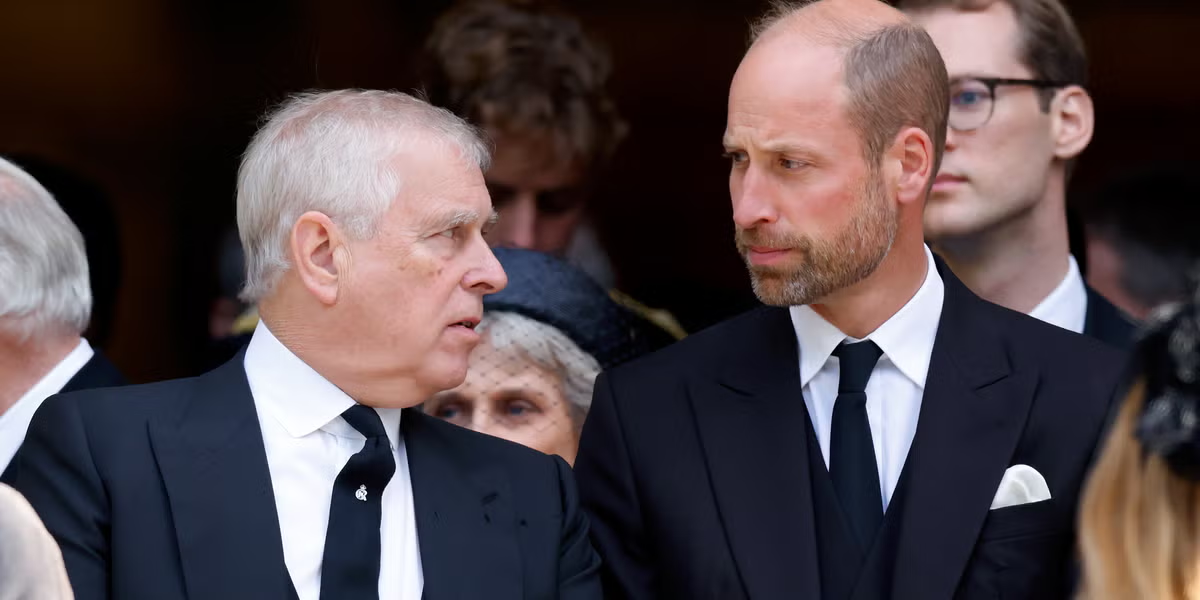
In a recent display of familial support, Prince William extended his condolences to his uncle, Prince Andrew, following the decision to strip Andrew of his royal titles. This move came as part of a broader response to controversies surrounding Andrew’s past, including allegations related to his association with Jeffrey Epstein. For the royal family, the decision marked a significant moment, reflecting the challenges they face in maintaining a traditional image while navigating contemporary societal expectations.
Prince Andrew had previously served as a prominent figure within the royal family, undertaking various royal duties and public engagements. However, as allegations surfaced, his position became increasingly untenable, eventually leading to the loss of his military titles and royal patronages. In a world where public perception is paramount, the royal family has made it clear that they are committed to upholding their moral standing, even at the expense of family ties. This nuanced decision to remove Andrew’s titles was not taken lightly, especially given that it could create rifts within the family.
William’s gesture, often viewed as both a personal and public statement, highlights the complicated dynamics of royal relationships. By reaching out to Andrew, he demonstrated a sense of compassion and family loyalty, even amidst the turmoil. This action underscores the idea that, regardless of individual actions or public perception, family ties often transcend broader controversies. The Duke of Cambridge’s support suggests that loyalty can manifest in various forms, even when faced with significant challenges.
The public’s reaction to Andrew’s situation has been largely critical. Many view the decision to remove his titles as necessary, emphasizing the need for accountability in public figures, especially those within the monarchy. Meanwhile, some sympathizers argue that the treatment of Andrew reflects the difficulty of grappling with personal grievances in a highly scrutinized public sphere. William’s outreach can be seen in this context, attempting to balance public sentiment with private familial loyalty.
Moreover, Prince William’s actions can serve as a reminder of the heavy burden that comes with royal responsibilities. Every decision made by the royals is dissected and debated in the media, where they are often caught between tradition and modern views. In supporting his uncle, William is reminded that behind the titles and public personas are real people with complex emotions and histories. Personal connections within the family may often clash with the rigid expectations placed upon them as public figures.
Ultimately, this incident speaks volumes not only about the royal family’s internal dynamics but also about the way society grapples with issues of accountability, support, and family. Prince William’s show of support for Prince Andrew serves as a poignant reminder that even amid scandal and controversy, the ties of blood and family continue to have profound significance. As the royal family moves forward, this episode may serve as an important lesson in compassion and understanding, highlighting the need for connection even in the face of adversity.
Beauty Tips
Here are three beauty tips inspired by the concept of maintaining elegance in challenging situations, similar to Prince William’s graciousness:
-
Timeless Elegance: Opt for classic makeup looks that enhance your features without overshadowing your natural beauty. Think neutral tones and a pop of color on the lips for a sophisticated touch.
-
Skincare Soothing Ritual: In moments of stress, pamper your skin with calming masks or serums containing ingredients like chamomile or aloe. This not only soothes the skin but also provides a moment of self-care.
-
Polished Presentation: Keep your nails tidy and polished for an effortless, put-together look. Neutral or pastel shades can convey a sense of refinement and professionalism in any situation.
✨ Editor’s Picks (Must-Have Products)
Product 1
Check Price on Amazon
Product 2
Shop Now
Product 3
View Details