








The Impact of Changing Trade Policies on Small Beauty Brands
In recent months, small, non-U.S. beauty brands are confronting significant hurdles beyond just tariffs. The recent decision by President Donald Trump to eliminate the de minimis exemption — a long-standing policy that allowed goods valued under $800 to enter the U.S. without taxes — poses a direct threat to many international brands. This policy change has heightened pressures on these smaller enterprises that rely heavily on U.S. customers, who now face increased costs and logistics complications for importing goods.
The ramifications of the de minimis rollback are immediate and severe, forcing several international mail carriers to either limit or completely terminate shipping to the U.S. Companies like Deutsche Post, Royal Mail, and Correos de México have opted out, complicating delivery channels for overseas brands. This lack of shipping options is especially daunting as the holiday season approaches, typically a peak time for sales. Brands that once thrived on their U.S. market presence now find themselves at a standstill, scrambling to find alternative solutions.
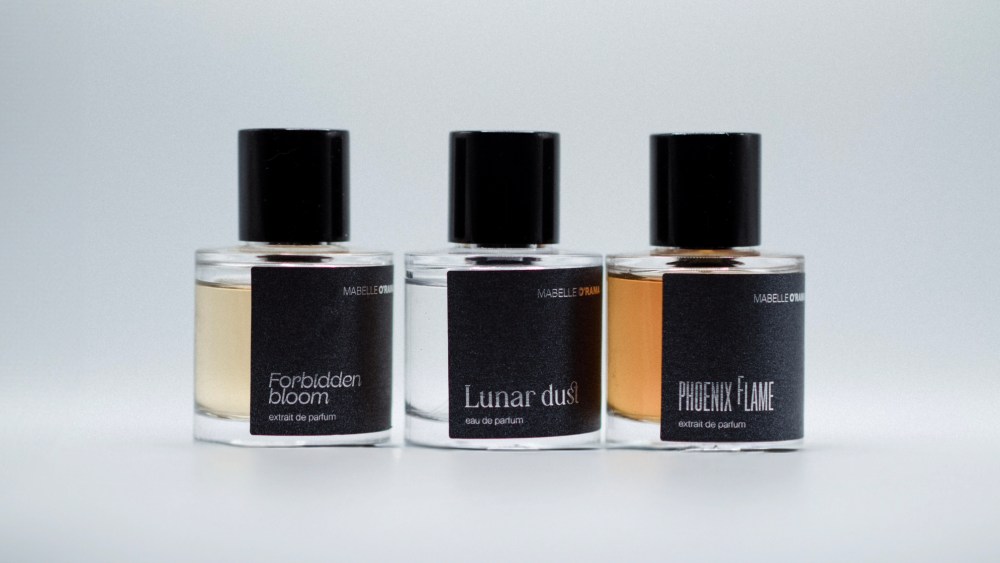
Entrepreneurs like Mabelle O’Rama, the founder of a niche fragrance line, have expressed their distress over these changes. With a considerable portion of her sales coming from the U.S., the recent disruptions have left her in a precarious situation. Although she has managed to forge a temporary agreement with a U.S.-based retailer for order fulfillment, the search for sustainable logistics partners remains challenging and costly. O’Rama and others fear that they could lose their foothold in a key market if they can’t adapt quickly.
The situation worsens with brands like Glisten Cosmetics, which has completely halted shipments to the U.S. Founder Natalie Chapple cites mounting costs related to shipping and customs that are eroding profitability, emphasizing that even strong sales may not suffice to cover these new financial burdens. This sentiment has been echoed by beauty distributors like Jose Penalba, who points out that smaller brands are increasingly finding it difficult to thrive under these mounting pressures.
The financial toll of the changing trade environment doesn’t limit itself to U.S.-bound shipments. For brands such as Miskeo Parfums and 4160 Tuesdays, the introduction of both a 15% tariff on German imports and the elimination of de minimis means substantial cost increases for customers. This dramatic price hike could alienate their U.S. client base, which forms a vital portion of their sales. These brands, too, have temporarily paused U.S. orders, fearing negative consumer reactions to steep price increases.
Compounding these issues, the instability of U.K. mail services adds further uncertainty. Brands are left in limbo, unsure when or how they can resume shipments to the U.S. The delicate nature of products like perfumes complicates matters even more, limiting available shipping options. With logistics companies overwhelmed by the fallout from policy changes, many brands are anxiously navigating an ever-evolving landscape, each day bringing new challenges that threaten their survival in the competitive beauty market.


