






In the vibrant backdrop of Paris, the fall 2026 men’s fashion shows featured a striking mix of hairstyles, showcasing a variety of creative expressions that sparked excitement and curiosity. The runway became a canvas for artistic hairstyling, where eclectic choices stood out amid more natural, flowing looks. The event encapsulated the larger trend of individuality in fashion, allowing each designer to express their unique vision through cutting-edge hairstyles. The eclectic styles not only complemented the clothing but also told stories of inspiration and creative deconstruction.
Takeo Arai, the head hairstylist for Comme des Garçons Homme Plus, took an innovative approach by first crafting traditional hairstyles before purposefully dismantling them to create final looks that were raw and avant-garde. This notion of deconstruction resonated through other shows, notably at Yohji Yamamoto and Feng Chen Wang, where similarly styled looks challenged conventional beauty norms. Meanwhile, Sean Suen opted for shaggy hair that lent a laid-back yet stylish vibe to the collections, illustrating how varied interpretations of hair can serve as powerful extensions of a designer’s narrative.
The creative inspirations behind the hairstyles were as diverse as the designs themselves. Han Bin, who styled for one of the standout collections, revealed his influences drawn from the enigmatic character Aoshi Shinomori from the manga series “Rurouni Kenshin” and the legendary musician Jim Morrison of The Doors. These references underscored a theme of transformation and individuality, where hair became a medium for expressing deeper ideas of identity and personal evolution. The hairstyles reflected a narrative of “molting” or shedding past selves, encapsulating the idea that fashion is not just about clothing but about an overarching personal journey.
Bin’s use of unique materials also contributed to the innovative hairstyles on display. He integrated custom wigs adorned with ostrich-feather accents to achieve a light and airy texture, creating a stark contrast with traditional, heavier styles. This thoughtful combination mimicked a sense of youthful exuberance and freedom. Longer silhouettes evoked the wild, free-spirited energy reminiscent of Jim Morrison’s iconic looks, creating an emotional connection between style and self-expression. The stylist’s vision played with themes of lightness and constraint, demonstrating that hair can convey one’s inner world just as powerfully as fashion choices.
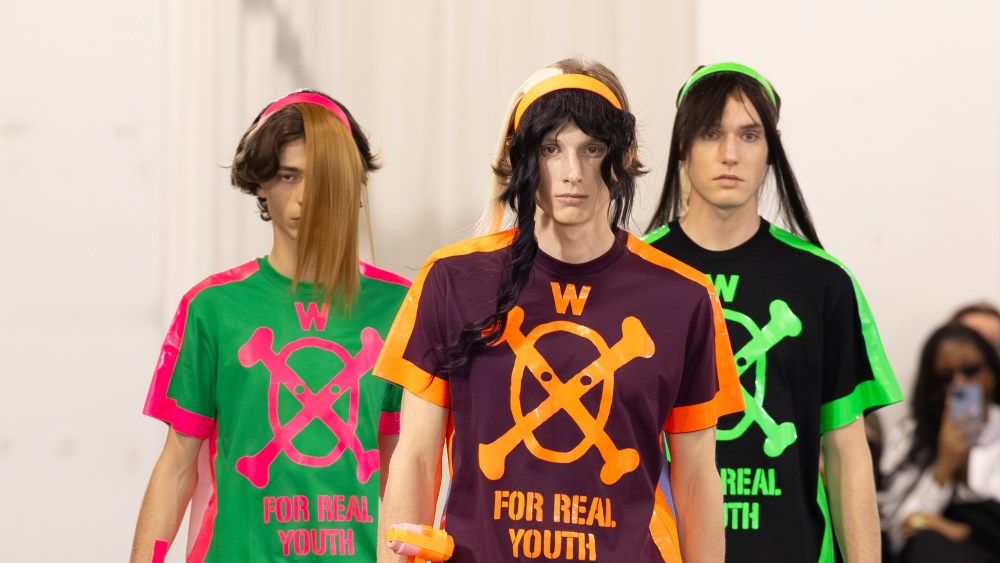
The commitment to playful experimentation continued to stand out at Walter Van Beirendonck’s show, where models flaunted whimsical multilength wigs in an array of vibrant colors or sported adorable pigtails, challenging the conventional notions of masculinity in hairstyles. Rick Owens also embraced this playful aesthetic, presenting contrasting short and long styles that were interspersed with colorful enhancements. The blurring of these length distinctions highlighted the fluidity of modern masculine identity, suggesting that men’s fashion is increasingly characterized by an embrace of diversity in appearance and self-presentation.
The artistic flair didn’t shy away from bold color either; at Dior Men, models showcased lemon-yellow hair paired with bangs, introducing an unexpected pop of color that contributed to the overarching narrative of breaking boundaries. Similarly, Nahmias added a whimsical touch with gold-colored stars adorning hairstyles, quite literally topping off looks in an imaginative manner. The result was an exhilarating reflection of a fashion landscape where hair, like fashion itself, serves as a means of expressing identity, emotion, and individuality in an increasingly eclectic world. As these shows unfolded, it became evident that hairstyles were not just about aesthetics; they were powerful statements of self-expression, creativity, and cultural connection in the ever-evolving narrative of men’s fashion.


