








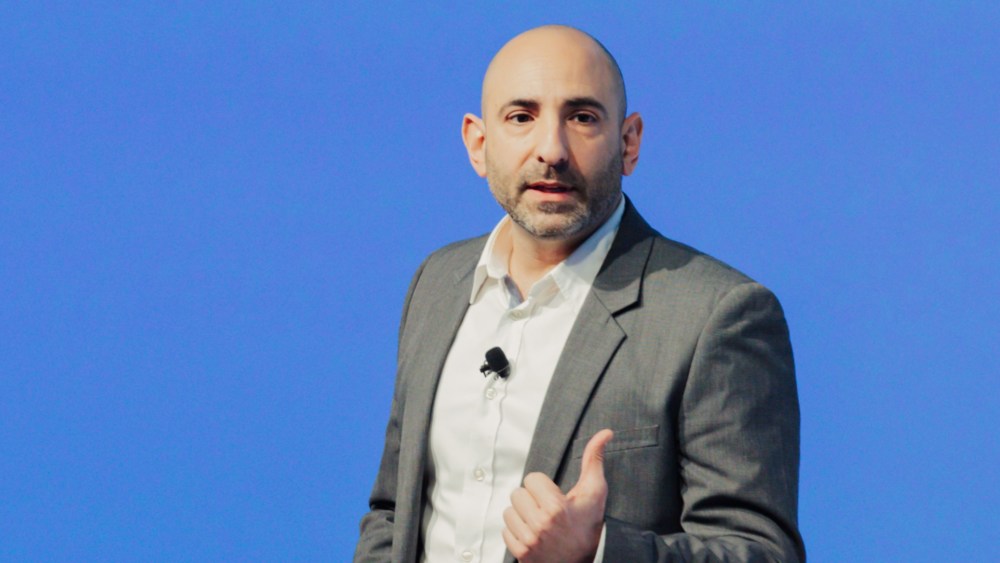
At the recent Catalysts conference hosted by WWD Beauty Inc. in New York City, Nimrod Basri, the founder and CEO of Make USA, shared his compelling journey, emphasizing the transformative power of second chances. Describing a catalyst as an agent of change, he connected this idea with the problem of recidivism, which refers to the relapse of convicted criminals into their past behaviors. Basri spoke about his New Jersey-based manufacturing company, which has employed over 750 formerly incarcerated individuals in just eight years, showcasing not only their personal transformations but also how they are becoming catalysts within their own communities.
Drawing on his extensive background in the beauty industry, including stints at major companies like Procter & Gamble, Basri founded Make USA in 2017. His mission was to tackle the industry’s persistent challenges, notably in sourcing and manufacturing. Today, Make USA provides a wide array of services for brands at various stages of development, from product conception to packaging, and emphasizes the flexibility of their operations. With clients that range from indie brands to larger names, the company prides itself on its no-minimum order policy and ability to offer on-demand production, ultimately adapting to client needs with remarkable speed.
A standout feature of Make USA is its workforce—comprised almost entirely of incarcerated or recently released individuals. This unique employment model has led to an impressive zero percent recidivism rate within the company. However, Basri acknowledges the complexities that come with this. Many employees face significant challenges; having grown up without stable employment or positive role models, they often struggle to adjust. Basri candidly addressed these hurdles, noting the daunting task of managing a company with employees who may lack relevant education or experience.
To support their growth, Make USA focuses on harnessing each employee’s distinct skills, motivation, and passions. All new hires start on the production line, but they are encouraged to advance through additional training and skill development. The company’s approach to compensation is merit-based, allowing employees to earn more as they improve. Moreover, through partnerships with state agencies, Make USA provides access to crucial mental health services, recognizing that employee well-being is integral to success. Basri has cultivated close relationships with his staff, expressing his commitment to providing both professional guidance and personal support.
In Basri’s eyes, individuals who have encountered difficulties with the law are not inherently different from entrepreneurs; they simply require guidance and direction. He emphasizes that the skills they possess, honed through their past experiences, can be redirected towards productive endeavors. He sees his role not just as an employer but as a mentor, believing deeply in the potential for change within each of his employees. Basri’s optimism resonates with his understanding that for many of them, this is not merely a second chance but a first opportunity to build a fulfilling career.
Through his leadership at Make USA, Basri has not only created employment opportunities but also fostered a sense of community and empowerment. His work exemplifies how businesses can play a critical role in reducing recidivism and transforming lives. As he concluded his presentation, it was clear that the real success of Make USA lies not just in its operations, but in its mission to uplift and inspire those who have been given a fresh start. In doing so, Basri and his team are redefining what it means to be a catalyst for change within society.


