








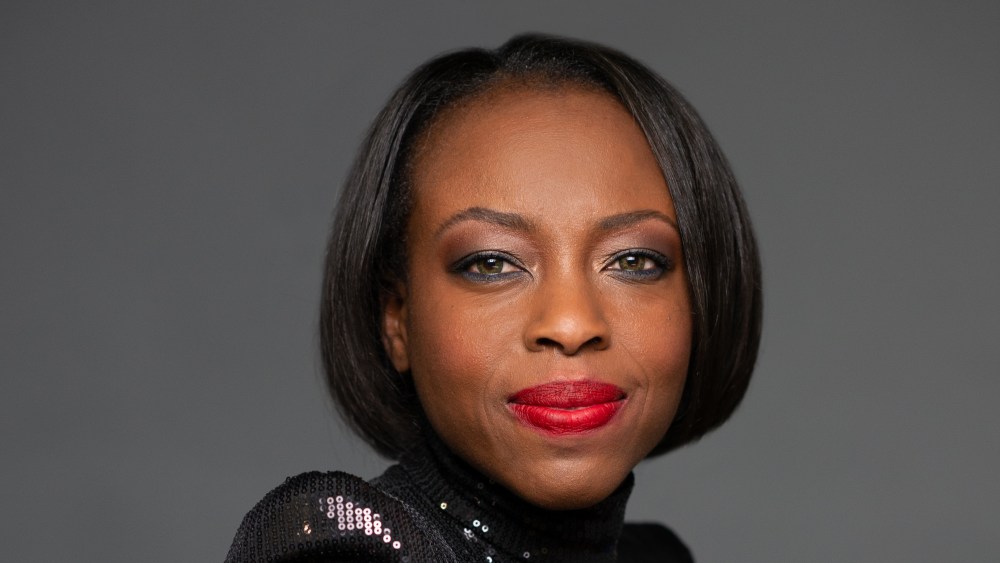
MAC Cosmetics is experiencing significant leadership changes, as Aïda Moudachirou-Rébois, the brand’s senior vice president and global general manager since 2024, announces her departure. This shift comes amid a series of executive moves at MAC and its parent company, Estée Lauder Cos. Stéphane de La Faverie, the CEO of Estée Lauder, has been orchestrating these changes, with other notable appointments such as Nicola Formichetti, who is set to join as global creative director in 2025, and Lisa Sequino, who recently took over as president of the makeup brand cluster. These transformations reflect an ongoing effort to revitalize the brand amidst fluctuating market conditions.
The news of Moudachirou-Rébois’s exit raises questions about MAC’s future direction, especially since the brand has been navigating a challenging landscape. A MAC spokesperson has not provided any details regarding a successor, leaving industry insiders curious about who will fill the significant role. This type of shift often signals an opportunity for renewed vision and strategy, although it can also raise uncertainties both within the brand and among its loyal customer base.
Financially, MAC has faced its share of difficulties. Recent reports indicate a 1 percent decline in overall makeup sales during the last quarter, which ended on September 30. This decline includes operating losses totaling $15 million, despite the rollout of marketing campaigns like “I Only Wear MAC.” While these initiatives aimed to boost consumer engagement and brand visibility, they were not sufficient to offset the broader downturn, which has been attributed to fading demand in facial cosmetics and overall retail challenges for the brand.
To counteract these trends, MAC is taking a strategic approach by preparing to enter Sephora’s U.S. market. This move is seen as a critical step to enhance availability and visibility for the brand, positioning it to attract a new set of customers. As the makeup brand cluster now falls under Lisa Sequino’s leadership, the hope is that her previous experience with brands like JLo Beauty and Supergoop will guide MAC towards a path of recovery and growth, particularly in a competitive landscape.
In this environment of change, Sequino’s portfolio, which includes not just MAC but also brands like Bobbi Brown, Too Faced, and Glamglow, faces its own challenges. These latter three brands have been rumored to be on the market for potential sale. The fate of these brands, and MAC’s ability to stand out in this lineup, will be crucial in determining the overall direction of Sequino’s leadership. The strategic decisions made in the near future could significantly impact the brand’s trajectory and financial stability.
Overall, these developments at MAC Cosmetics underscore a pivotal moment for the brand as it attempts to regain influence and market share in the beauty industry. With leadership transitions and strategic adjustments underway, the path ahead holds both challenges and opportunities. The cosmetics landscape is ever-evolving, and how MAC navigates this change will be closely watched by both industry experts and devoted customers alike.


