








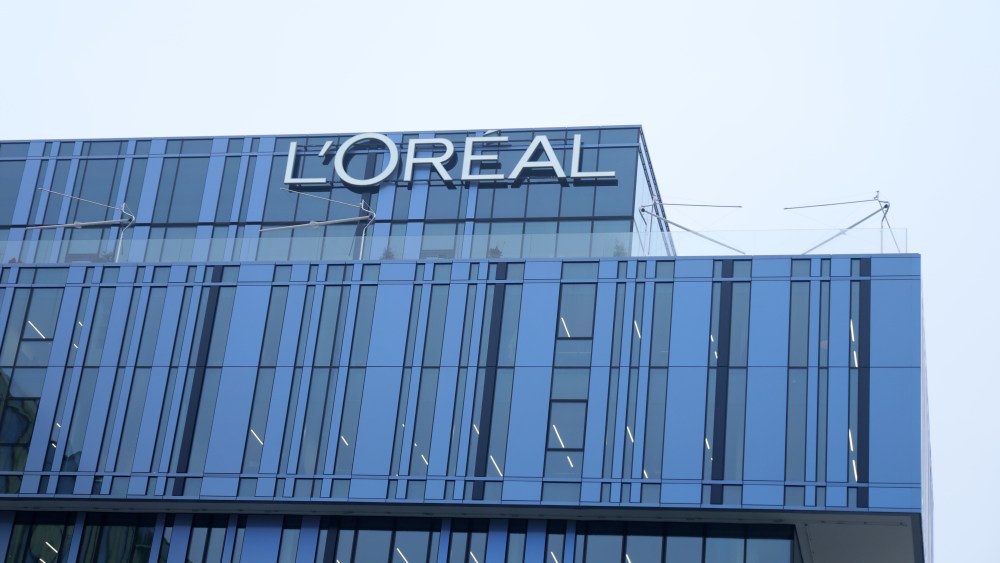
Recent discussions about L’Oréal’s potential restructuring in Hong Kong raised concerns over possible layoffs affecting more than 200 employees. Initially, reports suggested that the French beauty giant intended to merge its Hong Kong office with its Mainland China operations, leading to significant job cuts. In response to the mounting speculation, L’Oréal has firmly denied these claims, emphasizing that the information circulating in the media is inaccurate. A spokesperson for the company reassured that the situation is more about evolving to meet market demands rather than downsizing.
L’Oréal’s statement pointed to the increasingly interconnected nature of Hong Kong and the surrounding regions in the Greater Bay Area. By transforming its organizational structure, the company aspires to enhance synergy between its Hong Kong and Mainland China operations. This shift is believed to not only boost efficiency but also allow the company to better navigate changing consumer preferences and market dynamics. The firm envisions a modern approach that will leverage strengths from both locations, blending Hong Kong’s retail prowess with Mainland China’s digital and e-commerce capabilities.
While the media has reported impending layoffs and mergers, some employees have shared differing perspectives. According to local news sources, employees at L’Oréal were informed in late June about the intended merger. Although the reports indicated that up to 200 jobs could be eliminated by September, some employees maintained that the Hong Kong division remains profitable. Moreover, historical precedents suggest that severance packages offered by L’Oréal could be quite substantial for those affected.
Established in 1983, L’Oréal’s Hong Kong division has built a workforce of about 300 employees, not counting retail staff. However, the beauty giant is faced with obstacles in the local market. Earlier this year, Vincent Boinay, L’Oréal’s CEO for North Asia, stated the company aims for a modest growth target of around 5% in China, indicating a need to strategize effectively in a challenging economic climate. As the beauty industry evolves, L’Oréal’s leadership recognizes the necessity of adapting operations to align with shifting market trends.
The organization is not only contending with local challenges but also grappling with the wider landscape of the travel-retail sector in Asia. The duty-free market has been particularly sluggish, both in major hubs like Hainan and across South Korea, further complicating L’Oréal’s growth strategies. The latest earnings reports indicate a drop in sales output in these regions, prompting L’Oréal to reevaluate how it can maintain momentum amid these hurdles.
In summary, L’Oréal’s situation reflects broader themes in the business landscape, where companies are often compelled to adapt rapidly to remain relevant. As they push forward, the focus remains on creating a more integrated and efficient organization that can tap into the strengths of both Hong Kong and Mainland China’s markets, all while managing the delicate balance of employee welfare and corporate strategy. This period of transformation could ultimately reshape how the brand positions itself in Asia, enhancing its appeal to a diverse consumer base.


