








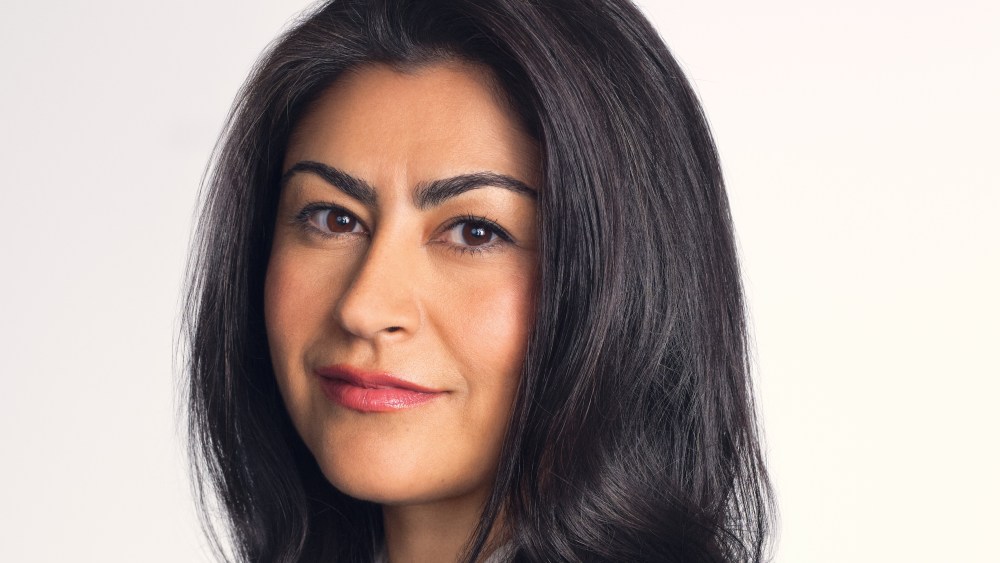
In an engaging dialogue, Ezgi Barcenas, L’Oréal’s chief corporate responsibility officer, emphasizes the importance of collective effort in tackling sustainability challenges. Speaking from her office in Clichy, Paris, just before the onset of Climate Week NYC, Barcenas shared insights on L’Oréal’s evolving sustainability strategy. Appointed in March 2024, she is keen to guide the company, which boasts a rich 115-year history rooted in science and innovation. Given her background as a trained engineer, Barcenas views sustainability not merely as a goal but as an integral part of the design process, influencing everything from product development to market strategies.
At the core of L’Oréal’s sustainability approach is its ambitious framework, known as “L’Oréal for the Future.” This initiative encompasses four main pillars: leading the climate transition, safeguarding nature, promoting circularity, and uplifting communities. With 15 clearly defined goals, the company aims to foster resilience, both in business and local communities. Barcenas believes that innovation and partnerships are pivotal; for example, L’Oréal has introduced the Water Saver technology to help consumers reduce water usage in regions facing scarcity. This reflects a broader goal of creating water-saving products while continuously evolving their offerings for future generations.
Central to Barcenas’s vision is the establishment of the Sustainable Innovation Accelerator, which has an impressive funding pool of 100 million euros over five years. This initiative aims to unearth and support breakthrough technologies, enabling L’Oréal to navigate complex challenges in sustainability. The company’s vast resources—boasting 4,000 scientists and researchers—enable them to face these challenges; however, Barcenas acknowledges the necessity of leveraging external collaborations. By actively engaging with innovation ecosystems and embracing diverse partnerships, L’Oréal seeks to pioneer advances in product formulation and sustainable packaging.
The pursuit of large-scale sustainability solutions remains a formidable yet transformative opportunity. By partnering with the Cambridge Institute for Sustainability Leadership, L’Oréal is actively scouting innovative start-ups and projects with the potential to propel sustainable practices. This collaborative effort expands their horizons, aiming to pilot successful solutions and scale them globally. One notable venture includes a partnership with Abolis Biotechnologies, a French start-up focused on producing sustainable ingredients, showcasing L’Oréal’s commitment to integrating biotechnology in their formulation processes.
As L’Oréal navigates its sustainability journey, the company also grappled with the challenge of reducing carbon emissions. Barcenas highlighted that while they’ve made significant strides in addressing direct Scope 1 and Scope 2 emissions, Scope 3 emissions pose a significant hurdle. To combat this, L’Oréal launched Solstice, a 50-million-euro fund aimed at supporting suppliers in their decarbonization projects. This illustrates Barcenas’s comprehensive approach, balancing emissions reduction with efforts to enhance resilience and adaptation to climate changes, ensuring a holistic understanding of sustainability.
Lastly, ongoing efforts like the Corporate Sustainability Reporting Directive (CSRD) illustrate Barcenas’s commitment to enhancing transparency and accountability within the organization. By aligning sustainability reporting with financial data standards, L’Oréal aims to improve its strategic planning and performance monitoring. Barcenas’s forward-thinking approach encourages a culture of collaboration and learning within the company, where diverse experiences and perspectives can shape the future of beauty in a sustainable manner, underscoring the collective commitment that drives L’Oréal’s legacy forward.


