







Recent reports suggest that L’Oréal is on the verge of acquiring Kering Beauty for approximately $4 billion, a potential move that could drastically reshape the beauty industry landscape. Though Kering has not officially commented on the deal, industry insiders anticipate significant ramifications if it goes through. Experts believe this acquisition could be transformative for both companies, reshaping market dynamics and igniting potential mergers and acquisitions across the beauty sector. With L’Oréal’s history of strategic purchases, this acquisition might signal a new chapter in luxury beauty, impacting not just brand portfolios but the operational strategies of various competitors.
For Kering, selling its beauty division would provide an urgently needed financial influx, allowing the company to reinvest in its core fashion brands, many of which have been struggling recently. Under CEO Luca de Meo, who has taken bold steps to redefine the company’s direction since his appointment in September, such a divestiture would not only streamline Kering’s operations but also align with a broader trend of consolidating luxury brands into more manageable, profitable categories. This move underscores the evolving nature of the luxury market, which Kering is adapting to by shedding divisions that no longer align with its long-term goals.
From L’Oréal’s perspective, this acquisition makes strategic sense as it would bolster its already impressive portfolio with renowned luxury beauty brands. Adding Kering’s beauty unit—featuring licenses for names like Bottega Veneta and Balenciaga—would significantly enhance L’Oréal’s offerings, particularly in the fragrance category, which has been a strong sales driver over the past few years. This potential merger could lead to L’Oréal dominating a lucrative segment of the market that has seen growth, especially in the niche fragrance space, thus giving the company an unparalleled edge over its competitors.
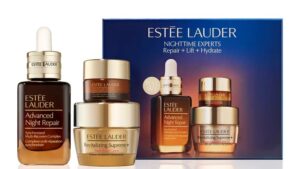
The implications of this acquisition ripple far beyond just L’Oréal and Kering. Should the deal proceed, it could spark a flurry of activity among midsize beauty brands, which have been waiting for larger companies like L’Oréal to make moves as they look for stable homes amid market uncertainties. If L’Oréal strengthens its position in the fragrance market, it may force competitors like Coty and Estée Lauder to rethink their strategies, especially if they too are eyeing acquisitions or divestments to remain competitive. The beauty landscape could see a new wave of mergers, as companies scramble to recalibrate their portfolios to counter L’Oréal’s expanded dominance.
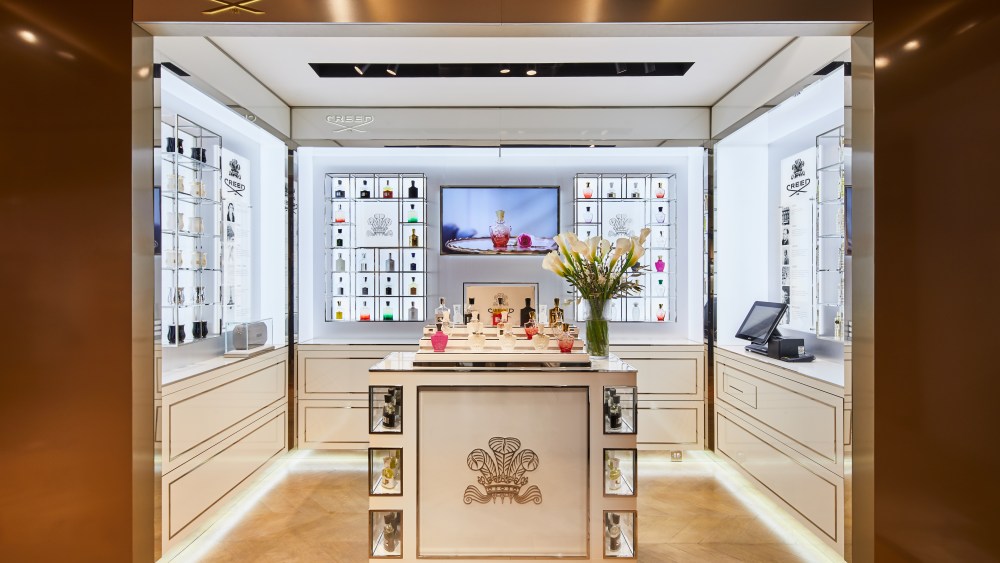
Kering’s recent financial struggles have prompted it to explore avenues for divestiture in a bid to stabilize its operations, which have faced significant challenges, particularly with its flagship brand, Gucci. This acquisition, if completed, could set a precedent in the luxury sector, revealing that the traditional business models that involve in-house management of brands are increasingly untenable for some companies. The pressure to deliver substantial returns on luxury brand investments is immense, as demonstrated by the criticisms surrounding Kering’s acquisition of Creed, which appears to have come with expectations that may not have been sustainable under the current market conditions.
In light of these developments, the stakes could not be higher for both L’Oréal and Kering. This potential acquisition highlights not only the changing tides within the beauty industry but also the broader implications for luxury brands navigating a challenging economic landscape. As Kering seeks to shed non-core assets to reallocate resources, and L’Oréal positions itself to capture more market share, the future of the beauty industry may very well be on the brink of transformation, signaling new alliances and competitive strategies that could redefine consumer experiences in the luxury and beauty sectors.


