

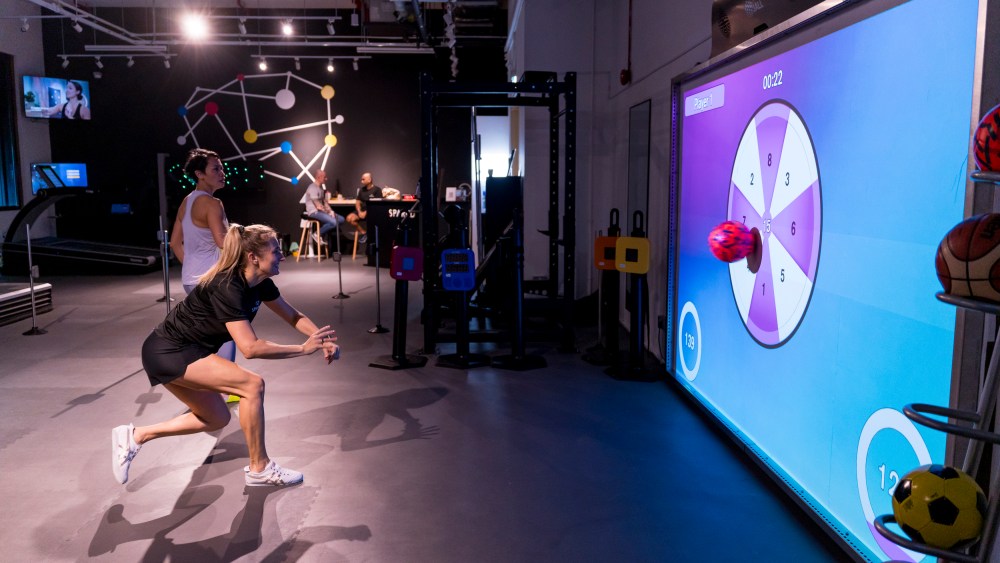
Imagine a future where, as you plug your phone into a gym machine, it offers real-time advice based on a wealth of personal health data. “Cut back on cardio today; your cortisol levels suggest stress management instead,” it might say, as it considers your weight, biomarkers, and even the time of day. This seamless integration of technology and fitness, as described by Dr. David Luu, a cardiac surgeon and founder of Longevity Docs, represents an exciting new frontier in health and wellness. Although this advanced level of personalization isn’t available yet, it illustrates a transformative shift towards individualized care that aligns with a growing interest in longevity and overall well-being.
The emergence of “longevity gyms” brings the concept of health into a more personalized realm, making the notion of fitness as a one-size-fits-all approach a relic of the past. Dr. Luu highlights that these gyms aim to bridge the gap between physical fitness and biological understanding, asking whether lab tests might one day be conducted right in the gym. This evolution has been spurred by various factors, including a cultural shift toward mainstream acceptance of longevity practices, accelerated by the pandemic’s emphasis on health and preventive care. People are more aware than ever of the importance of maintaining both physical and mental health, and they are seeking services that move beyond mere traditional exercise.
Movement is central to the concept of longevity, alongside key factors like nutrition, sleep, and stress management. As Marcel Achermann, founder of Masters of Longevity, states, exercise is crucial, not just to live longer but to live better. This focus on holistic care has caught the attention of innovators in the fitness industry, pushing them to create environments that cater to both physical and psychological needs. For instance, Equinox, a leader in the fitness space, has taken a holistic approach since inception, emphasizing four pillars: movement, nourishment, regeneration, and community. This comprehensive view permeates all aspects of their programming, offering members a more profound understanding of their health.
Equinox has spearheaded initiatives to leverage health technology, launching an Optimize membership program that begins with a thorough analysis of biomarkers. Members can then engage with a team of holistic care specialists to create personalized health plans. Such personalization is critical; it encourages individuals to not only understand their bodies better but to take active steps toward improving their health. This isn’t just a trend; it’s a necessity in modern fitness, which increasingly demands a more intimate connection between technology and personal well-being.
In addition to established players like Equinox, new entrants are also reshaping the landscape. Sparkd by Chi Longevity focuses on cognitive health, combining mental and physical training as part of its mission. Similarly, Life Time Fitness has ventured into integrative medical clinics that analyze biological data to craft tailored health plans. These diverse approaches emphasize understanding the whole person, not just their physical fitness, opening new avenues for what a gym can provide. The future of fitness seems poised to embrace a comprehensive, data-driven strategy to health, albeit with the challenges of high costs and the need for trained staff to handle increasingly complex services.
As these longevity gyms are poised to grow, they face certain roadblocks, including the need for professional staffing and potential inconsistencies in health recommendations. The advent of personalized health approaches brings the responsibility of ensuring clients receive actionable insights without overwhelming them with data. Despite these hurdles, the excitement around longevity and wellness is palpable, inviting those in the fitness industry to innovate and redefine how we approach our health. As technology continues to advance, the dream of hyper-personalized fitness experiences may soon be a reality, transforming our gyms into holistic spaces that adapt to our individual needs across the spectrum of health and well-being.