








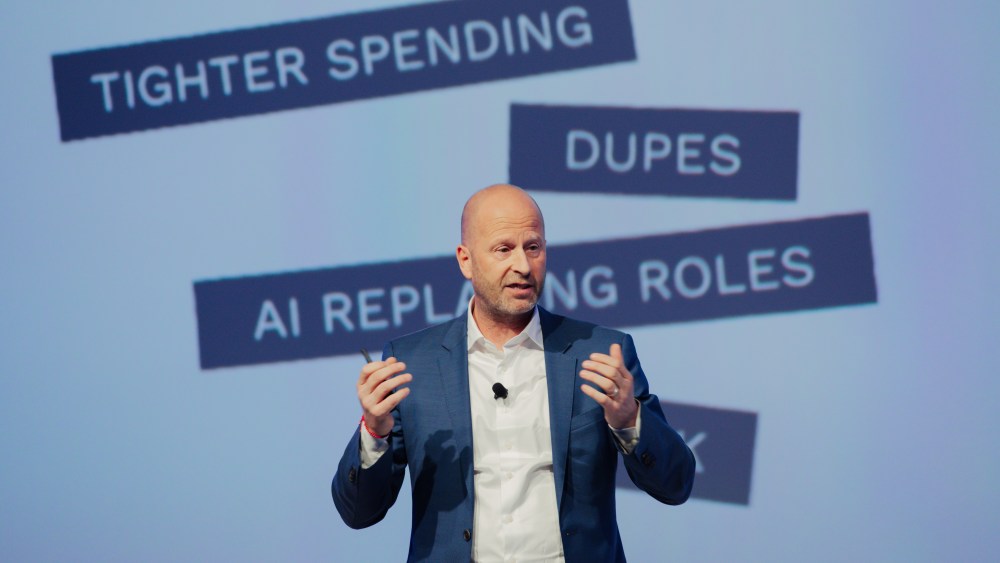
At the recent WWD Beauty Inc Catalysts event, Jamie Elden, the Chief Revenue Officer of Listrak, painted an optimistic picture of the beauty retail landscape heading into 2025. As e-commerce continues to flourish, Elden reported that the beauty sector in the U.S. alone is set to generate approximately $90 billion in revenue. The global beauty market, boasting nearly $700 billion, is on a robust growth trajectory. Elden’s insights were drawn from Listrak’s comprehensive annual survey, which reveals that partner brands accounted for over $2.75 billion in e-commerce sales within the beauty and wellness sectors. This significant financial outlook not only emphasizes the staggering revenue potential but also highlights the importance of adapting to an evolving retail environment and consumer preferences.
A pivotal element in this emerging landscape is Generation Alpha, the cohort born since 2010. Elden noted that this generation is fast becoming a major player in beauty spending, particularly in skincare, where they are already responsible for around 40% of sales. This surge indicates that as this demographic matures, their influence on consumer behavior will likely continue to intensify. Additionally, the luxury fragrance market is experiencing remarkable growth, with average bottle purchases exceeding $200. Elden foresaw an impressive 14 to 17 percent growth in this segment during the fourth quarter of 2025, a clear signal of a thriving market segment even amidst broader economic challenges.
However, the beauty and wellness industry is not without its challenges. Elden pointed out several pressing concerns that brands are grappling with, including rising costs and tariffs, supply chain disruptions, and shifts in consumer spending behaviors. The lure of affordable alternatives, often referred to as “dupes,” presents an additional hurdle for established brands. Furthermore, the specter of artificial intelligence replacing certain roles and the influence of social media platform TikTok adds an unpredictable layer to the landscape. Despite these challenges, many brands remain resolute in their focus on growth. They are increasingly embracing AI-driven strategies, seeking to orchestrate their marketing efforts across channels, and expanding into new markets with a keen eye on personalization.
Elden emphasized that Listrak has observed a significant increase in brands venturing into new markets, particularly in regions like the Middle East, North Africa, and various emerging markets across Europe, Asia-Pacific, and Latin America. This trend signifies a broadening of horizons for beauty brands, as they seek fresh opportunities to connect with diverse consumer bases. The ongoing exploration of these new domains indicates a strategic shift towards globalization in beauty retail, offering promises of fresh innovations and localized products tailored to meet new consumer needs.
As attention shifts to the strategies that are shaping the beauty commerce landscape, artificial intelligence emerges as a transformative tool. Brands are increasingly integrating AI technologies to enhance customer experiences through personalized recommendations and automated processes. Elden remarked on the eagerness with which brands, regardless of their scale, are experimenting with AI, enabling them to refine search functionalities and improve customer engagement during their online shopping journeys. This shift underscores the recognition that the beauty industry is ready to leverage technology to better align products and experiences with consumer expectations, thereby increasing loyalty and sales.
Looking further ahead into 2026, Listrak anticipates the continued rise of various trends within the beauty space. Particularly noteworthy is the growing interest in metabolic and wellness beauty, which emphasizes both internal and external health. The youth skincare demographic is rapidly expanding, while men’s personal care, luxury fragrances, and innovative beauty routines driven by AI are on the rise. Retailers like Gap are also entering the beauty market, signaling a blending of sectors that may redefine consumer engagement. By embracing these developments and harnessing the power of AI, brands can position themselves effectively in an ever-competitive marketplace, driving innovation while catering to the diverse needs of tomorrow’s beauty consumers.


