








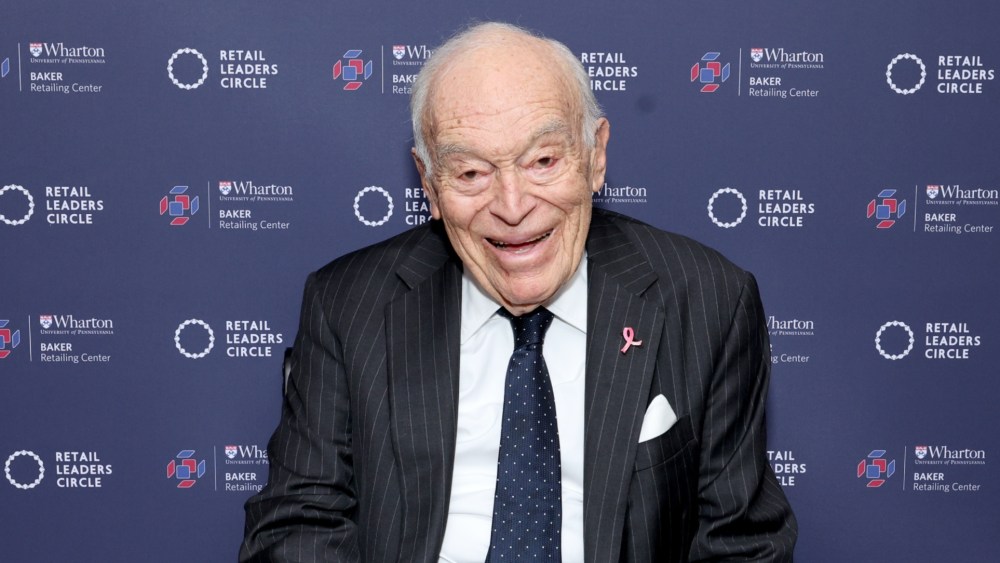
Leonard A. Lauder, who passed away at 92, was a transformative figure in the beauty industry, known for both his entrepreneurial acumen and his dedication to mentorship. Over a remarkable 60-year career, Lauder played a pivotal role in elevating Estée Lauder Companies into a global leader with a diverse portfolio of over 20 brands operating in 150 locations worldwide. Beyond his business achievements, he was passionately committed to nurturing talent within the organization, believing profoundly in the power of education and personal growth.
Lauder often identified as the “chief teaching officer,” a title that highlights his belief in the importance of sharing knowledge. Colleagues and associates frequently praised him for his insightful observations and humor, often reflected in interviews with industry publications such as WWD and Beauty Inc. His engaging personality made him a beloved figure, and his memorable quotes provided insights into his philosophy. Among these, he emphasized the need for a strong customer focus, asserting that understanding customer needs was crucial for success in the beauty market.
Reflecting on the evolution of the beauty industry, Lauder recognized the shifting trends over decades. In the 1960s, makeup dominated the scene, while the 1970s saw an influx of fragrances. By the time of his comments in the early 1980s, Lauder predicted a focus on skincare, showing his knack for anticipating market shifts. He also commented on the increasing challenges posed by competitors, alerting his team to the speed at which copycat products could emerge. His belief that a quality product would triumph over competitors illustrated his confidence in Estée Lauder’s offerings.
His wisdom extended beyond product marketing; Lauder was a keen observer of human behavior and leadership. He believed that hiring the best talent was essential for building a great company, as great people inspire greatness. This understanding of team dynamics was intrinsic to his leadership style. He remarked that true leadership hinges on genuinely liking people, as authentic relationships foster trust and, ultimately, success. His heartfelt analogy of wanting to be a gardener underscored his dedication to nurturing not just business initiatives but also the personal growth of team members.
Lauder’s insights on success went beyond conventional metrics; he highlighted the importance of recognition over mere financial incentives as a motivator for employees. He understood that intrinsic rewards could drive individuals to perform better. His advice to always “get there first” revealed a competitive spirit tempered by thoughtful strategy. He also articulated a vision of life as a mosaic, emphasizing the significance of diverse experiences in forming a coherent picture of the world, suggesting that both business and life should incorporate a variety of influences.
The impact of Lauder’s legacy will be felt long into the future; his commitment to excellence and the people he worked with served as a foundation for the ongoing success of Estée Lauder Companies. He maintained that quality should never be compromised, urging that if a product didn’t meet the highest standards, it should be re-evaluated before launch. This unwavering commitment to excellence reinforces his place as a pivotal figure in not only the beauty industry but also in the broader context of leadership and mentorship in business.


