

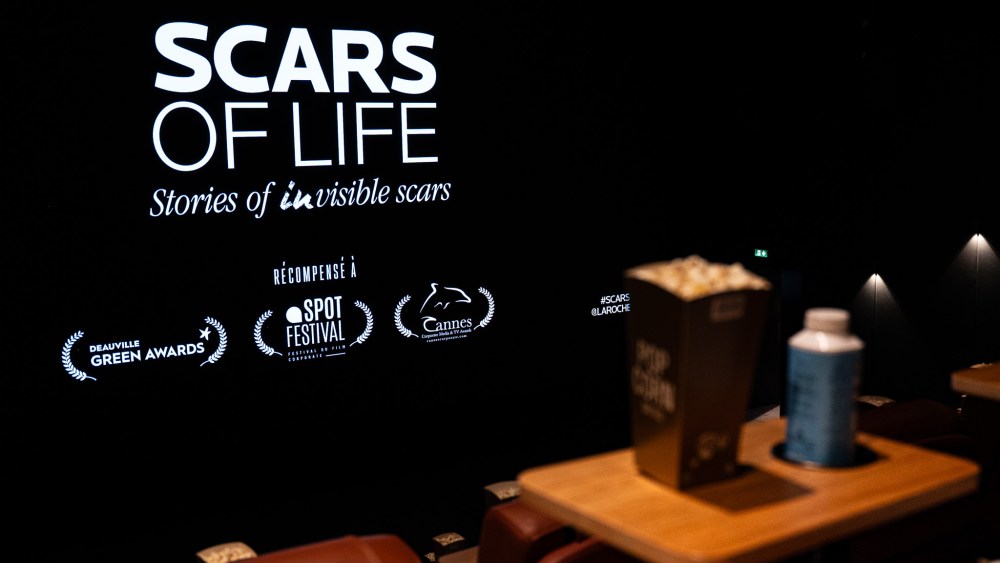
On the eve of World Mental Health Day, La Roche-Posay, an esteemed brand under L’Oreal, premiered its poignant documentary “Scars of Life” in the beautifully renovated Pathé Palace theater in Paris, designed by renowned architect Renzo Piano. The 25-minute film, produced by Elephant, emphasizes the visible and invisible impacts of scars, offering a heartfelt exploration into the personal journeys of those affected. For those unable to attend, the documentary is accessible on YouTube, allowing a broader audience to engage with its significant themes.
La Roche-Posay has dedicated itself to improving the lives of over 2 billion individuals suffering from skin issues since its inception 50 years ago. Alexandra Reni-Catherine, the brand’s global general manager, underscored the weight of this mission, acknowledging the responsibility that lies with the brand and the dermatologists who recommend it. She emphasized their commitment to skin health as a public health priority, suggesting that caring for skin is not merely a cosmetic issue but an integral part of overall well-being, transcending generations, from infants to the elderly.
“Scars of Life” presents a rich tapestry of narratives, featuring testimonials from dermatologists, sociologists, and individuals grappling with skin conditions. These accounts are described as “authentic and raw,” evoking deep emotions and highlighting the profound ways in which scars can shape one’s life experience. Reni-Catherine noted the striking honesty in these stories, reflecting the struggles and triumphs of those with visible and invisible scars. A sentiment echoed throughout the documentary is that scars carry stories that speak to personal experiences, often intertwining with deeper themes of pain, vulnerability, and resilience.
Individuals featured in the documentary candidly share their experiences, delving beyond the surface of their skin issues to explore the broader implications of living with scars. La Roche-Posay aims to dismantle the stigmas and taboos associated with these markings, advocating for a society where dialogue about scars is normalized. The film opens with the observation that “we all have scars,” positing that these marks tell stories of who we are and what we’ve been through. The blend of personal testimonies and expert opinions urges viewers to reflect on the societal perceptions surrounding scars, whether they are scars from accidents, surgeries, or skin conditions.
The documentary also poses critical questions about the impact of scars on quality of life and societal views. Participants reveal how scars can be both celebrated and stigmatized, emphasizing the importance of fostering conversations around scar acceptance and understanding. The voiceover poignantly states, “It’s time to break the taboo around scars,” advocating for a shift in the narrative surrounding these physical reminders of life’s experiences and challenges. This impactful message resonates deeply, suggesting that science, along with increased dialogue, can lead to better care and empathy for those living with scars.
Following the screening, a panel discussion brought together notable experts and influencers, including dermatologist Dima Haider and skincare influencer Samy, known as Skincarebysamy. They engaged in insightful dialogues about the challenges and misconceptions surrounding skincare, reinforcing the need for greater awareness and education in the field. With contributions from Emma Fric and Julien Witenberger, the discussion emphasized the role of brands like La Roche-Posay in championing skin health and the importance of acknowledging the emotional narratives behind physical scars. Ultimately, “Scars of Life” encourages viewers to embrace their stories and promotes a collective understanding that every scar holds a deeper meaning, urging society to recognize the beauty and struggle intertwined within these marks.