







In recent years, the beauty industry has witnessed a transformative wave of innovation and consumer engagement, showcasing brands that emphasize both quality and accessibility. One standout example is Good Molecules, a skincare brand that has quickly captured the hearts and wallets of value-driven consumers, particularly among the Gen Z demographic. Launched in 2018 with an affordable $6 hyaluronic acid serum, Good Molecules has turned heads with products like the $6 Yerba Mate Wake Up Eye Gel and the $12 Discoloration Correcting Serum. These offerings highlight the brand’s ability to blend efficacy with affordability. Its impressive sales figures, such as over 40,000 units of the Yerba Mate eye gel sold monthly on Amazon, alongside a growing retail presence in stores like Ulta Beauty and Target, underscore Good Molecules’ rapid ascent in the skincare market, proving that consumer trust can be built on quality and accessibility.
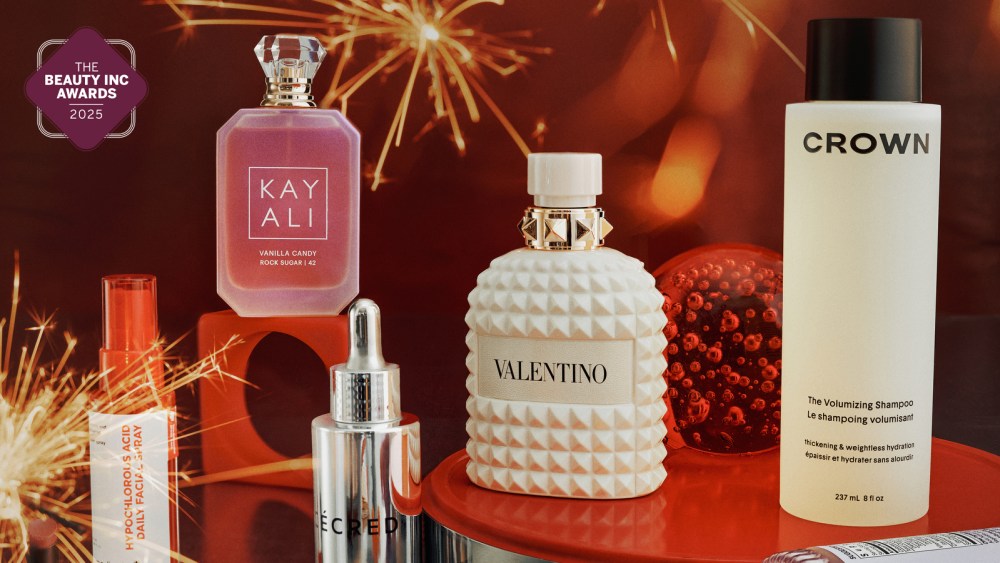
In the fragrance realm, Kayali, a brand founded by Mona Kattan, has effectively redefined how fragrances are experienced and marketed. Touted as the number-one fragrance brand at Sephora, Kayali has captivated audiences with its blendable, gourmand scents, such as Yum Boujee Marshmallow | 81 and Vanilla | 28. By embracing key elements of Arab perfumery while targeting a diverse customer base, Kayali’s appeal resonates with both newcomers and ardent fragrance enthusiasts. The brand’s aggressive expansion strategy, including a dedicated e-commerce platform and the launch of retail partnerships across the U.S., highlights its ambition and far-reaching vision. With Huda Beauty’s recent exit from ownership, Kayali is poised to take its place in the global fragrance market, proving that creativity and cultural roots can lead to lasting success.
A fresh entrant in the beauty scene, M.Ph by Mary Phillips has turned heads with its artistry-driven approach to makeup. Known for her work with high-profile clients like Kim Kardashian and Hailey Bieber, Phillips launched her brand in August, quickly establishing a strong foothold in the market. With Sephora as its exclusive partner, projections suggest M.Ph will generate between $20 million and $25 million in its first year alone. By combining artistic techniques with skin-friendly ingredients, the brand reflects Phillips’ vision of enhancing natural beauty without overwhelming transformations. This ethos is specifically designed to resonate with consumers seeking makeup that caters to authentic self-expression.
Meanwhile, Olly has ventured into new territory with its Mood + Skin line, successfully merging beauty with wellness through ingestibles. Known for its charming gummy supplements, Olly faced the challenge of expanding beyond traditional supplements to create an innovative body care range. The Mood + Skin products promise both topical and neurological benefits, aligning closely with the brand’s established mission of enhancing wellness. This integration of wellness and beauty not only embraces the rising trend of holistic health but also creates a comprehensive ecosystem that caters to modern consumers’ desires. As brands like Olly shift towards functionality and benefits, they are setting critical precedents in the beauty industry, illustrating how wellness and beauty can seamlessly intertwine.
The hair care scene has also experienced disruptive innovation with Crown Affair, founded by Dianna Cohen, which has quickly positioned itself as a high-end yet accessible brand. Since launching, products like the Overnight Repair Serum and Refillable Dry Shampoo have gained strong traction, ranking among the best-sellers at Sephora. Crown Affair’s approach centers on premium ingredients and sustainable practices, allowing it to stand out in a saturated market. This brand’s remarkable success reflects a growing consumer preference for quality hair care that merges luxury with efficacy, marking a significant shift in how hair products are both marketed and consumed.
In the bustling spheres of beauty and fashion, leaders like Kecia Steelman of Ulta Beauty continue to shape industry trends and consumer behavior with their bold leadership and innovative strategies. Taking the helm as CEO, Steelman rapidly implemented a comprehensive growth strategy, focusing on wellness, international expansion, and tapping into emerging retail markets. The ascendant performance of brands like Ulta reflects a thriving beauty landscape where competition drives creativity and adaptability. With a clear vision for future growth, the evolving roles of both industry giants and emerging brands not only foster greater accessibility for consumers but also pave the way for a more inclusive and dynamic beauty environment. The commitment to blending innovation with consumer needs sets the stage for the future of beauty, ensuring that brands remain relevant and engaging in an increasingly competitive market.


