






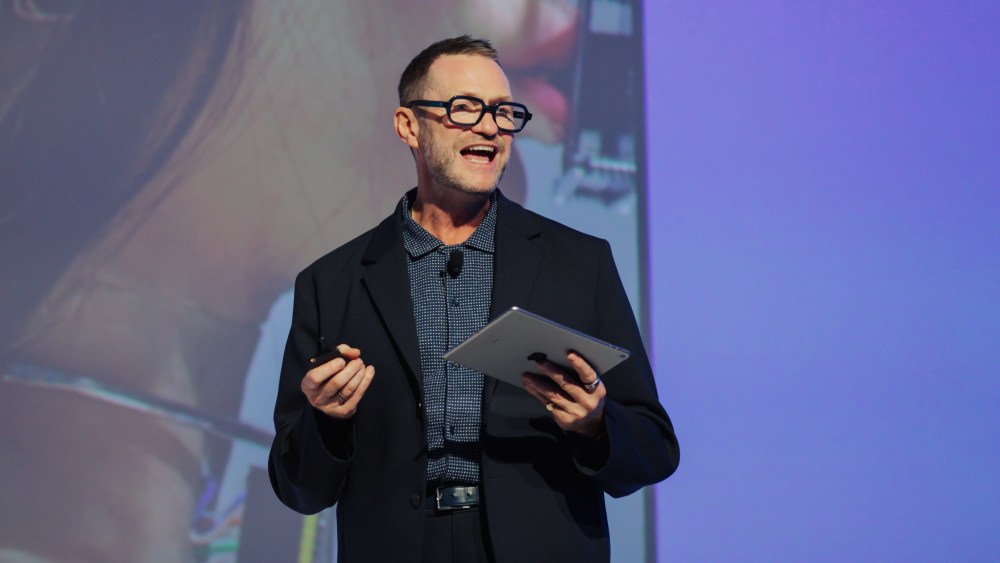
At the forefront of the evolving beauty industry is a call for greater self-expression, articulated passionately by Christopher Sanderson, cofounder of The Future Laboratory, during the 2025 Beauty Inc Catalysts conference. Sanderson highlighted a troubling trend: beauty is becoming increasingly homogenized, largely due to the influence of algorithms on social media platforms like TikTok and Instagram. These platforms, inundated with programmed content, seem to propagate a narrow definition of beauty and wellness that stifles individual creativity. “Beauty has always mirrored the times,” Sanderson stated, emphasizing that despite the myriad of diverse identities and expressions available today, beauty standards have converged into a concerning uniformity that reflects more imitation than aspiration.
In the current beauty landscape, this erosion of aesthetic diversity is palpable. Sanderson pointed to the prevalence of trends like “clean girl” aesthetics and “quiet facelifts,” which promote a standardized ideal that lacks cultural richness. This phenomenon threatens to diminish the multifaceted nature of beauty, reducing it to a bland uniformity he termed “blandemic.” He noted that this cultural stagnation leads to consumer fatigue; beauty enthusiasts are growing weary of the repetitive messaging and lack of genuine innovation within the industry. Instead of adhering to algorithmic confines, consumers are yearning for a beauty experience that feels authentic, vibrant, and human—one filled with emotional richness and approachable imperfection.
As the boundaries of luxury continue to shift towards emotional experience, Sanderson proposed that the beauty industry has the potential to spearhead this transformation, much like fashion did in the 1990s. He cited Urban Decay’s recent campaign, featuring influencer Ari Kytsya, as a beacon of hope amidst the sameness. The campaign calls attention to the industry’s stagnation and signals a thirst for fresh narratives that resonate with consumers on a deeper level. “People are exhausted by the constant launches and messaging that really isn’t saying anything to us,” he urged, pointing to the urgent need for brands to innovate and connect authentically with their audience.
The post-pandemic wellness movement introduces additional complexity, as it often morphs into status symbols driven by ideals such as biohacking and wearables. This trend shifts the focus of beauty from artistic self-expression to quantifiable metrics of improvement and status, creating what Meredith Jones labeled as “makeover culture.” Here, value is judged based on visible enhancements rather than personal authenticity. This reality opens up avenues for brands to disrupt the conventional narrative: those that dare to step outside the digital fog can offer consumers visual experiences that celebrate experimentation over pristine perfection.
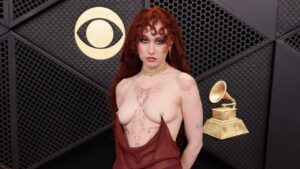
To illustrate this transformative potential, Sanderson pointed to examples like Chappell Roan’s avant-garde makeup artistry and the engaging “Dirty Looks” exhibit at the Barbican Center. He noted how the current TikTok phenomenon featuring “Beetlejuice lips” captures a strange yet fascinating aesthetic, where intentional oddness elicits intrigue rather than aversion. Such imaginative expressions highlight the importance of embracing strangeness as a pathway to aesthetic appreciation. It’s a reminder that beauty thrives in the unexpected and in the richness that strangeness can offer.
Finally, Sanderson emphasized the potential for brands to forge connections with consumers through collaborations rooted in cultural resonance rather than mere aesthetic alignment. He cited Charlotte Tilbury’s recent partnership with the F1 Academy as a prime example of aligning with shared values. In conclusion, he posited that the future of beauty is not destined to be dictated by algorithms or outdated ideals. Instead, it will emerge from the industry’s innate qualities: creativity, courage, and a deep understanding of cultural narratives. This new direction signals a promising future—one where beauty is both a personal and collective expression, moving beyond narrow confines to embrace a broader, more inclusive vision.


