

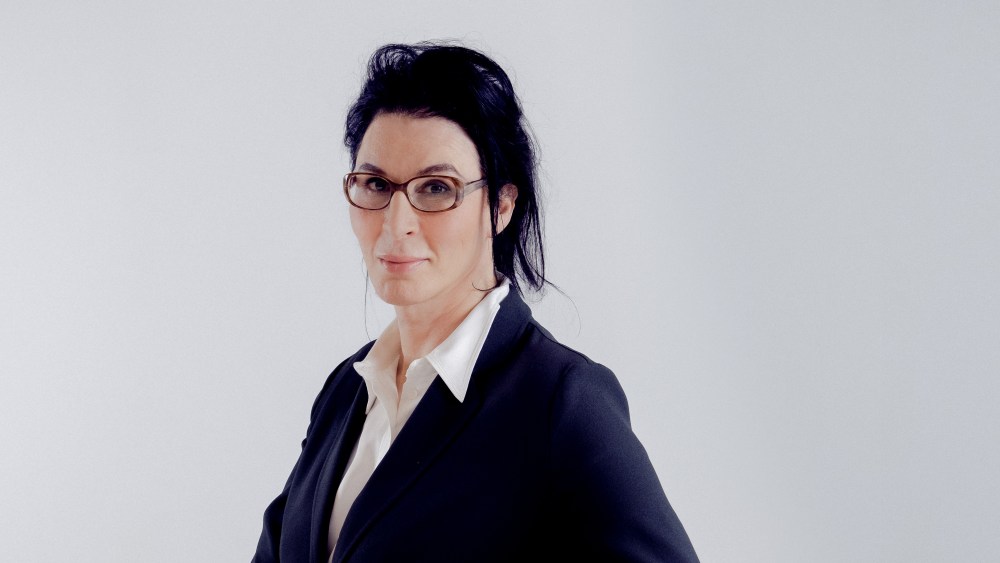
Speculation is brewing regarding the potential departure of Sue Nabi from her role at Coty Inc., a position she has held for over five years. Though Coty’s spokeswoman has refrained from making any comments on the matter, various sources hint that Nabi’s exit could be imminent. This comes during a particularly turbulent period for Coty, as the company faces the loss of its prominent Gucci fragrance and beauty license, set to expire in 2028. This license has historically been a vital revenue stream, contributing around 8 percent of Coty’s sales and approximately 11 percent of its profits, making the upcoming transition a significant concern for the company’s future.
In an October announcement, it was revealed that the Gucci license would shift to L’Oréal as part of a broader agreement with Kering, Gucci’s parent company. This change has already sparked conversation about Coty’s current status in the beauty industry, particularly as the brand prepares for its operations without one of its most valuable assets. As Coty processes this impending change, it is also actively undergoing a strategic review focusing on its mass color cosmetics sector, which includes well-known brands such as CoverGirl, Rimmel, and Sally Hansen. The review, led by Citi, will explore various options including partnerships, divestitures, and possibly even separating parts of the business.
In light of these developments, Gordon von Bretten, a member of Coty’s board and its former chief transformation officer, has been appointed as the president of consumer beauty, reporting directly to Nabi. His expanded role includes managing the strategic review of Coty’s cosmetics and Brazilian operations. Interestingly, speculation suggests von Bretten could serve as a temporary successor to Nabi, should she decide to step down. As this corporate reorganization unfolds, there is ongoing speculation about the future of Coty’s Luxury division, which includes fragrances for prominent brands like Burberry, Jil Sander, and Hugo Boss.
Media reports have indicated that Coty is exploring the possibility of selling parts of its business, raising eyebrows about Nabi’s long-term position as CEO. However, in November, a Coty spokesperson firmly denied any plans to sell its prestige division, stating that the focus remains solely on the consumer beauty segment. Despite these assurances, Coty’s overall market performance tells a different story, with its stock plummeting 54 percent year-to-date, starkly contrasting with competitors like L’Oréal and Estée Lauder, which have seen significant gains.
Nabi has had a nuanced journey in the beauty industry; she transitioned to Coty from founding Orveda, a vegan skin care line, in 2017. Joining Coty as CEO in 2020, she brought with her over two decades of experience from L’Oréal. Under her leadership, Coty entered a licensing agreement with Orveda in late 2021, ensuring the brand’s continued growth. As one of the highest-paid executives in the beauty sector, Nabi’s total compensation reached $149.4 million in 2023, underscoring her influence and importance within the industry. Simultaneously, JAB, Coty’s largest shareholder, announced significant changes in its leadership structure, intensifying interest in Nabi’s prospects.
In 2023, Coty extended Nabi’s contract through 2030 amidst all this turmoil, signaling a continued commitment to her vision for the company. Yet, as the beauty landscape grows increasingly competitive and dynamic, the pressure mounts for both Nabi and Coty to navigate these challenges effectively. The dual weight of losing the Gucci license and the ongoing strategic review of their cosmetic lines highlights the urgent need for innovative thinking and strategic agility, traits that will be crucial for Coty in the years ahead. As stakeholders await clarity on Nabi’s future and Coty’s strategic decisions, one thing is certain: the coming months will be pivotal for the company.