

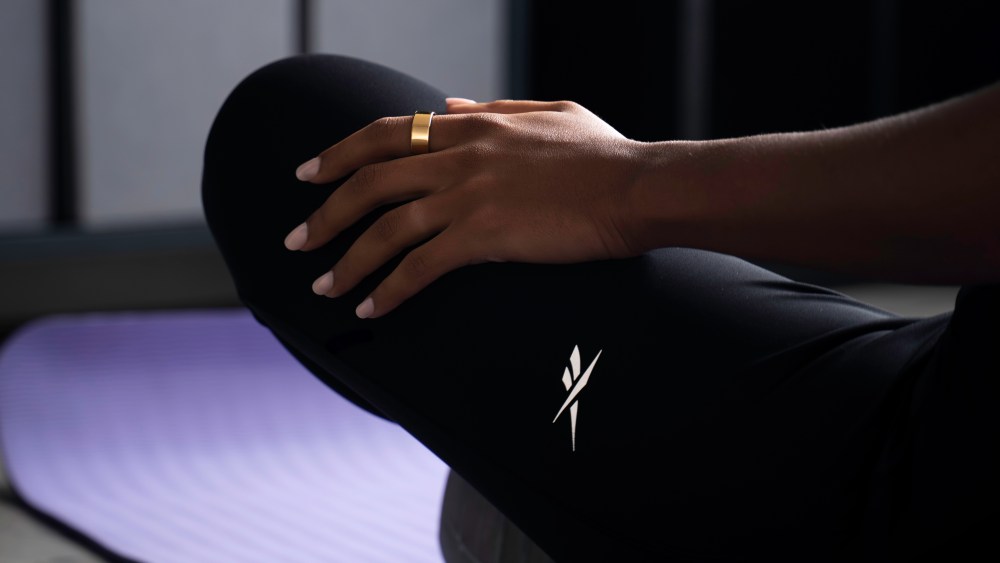
Reebok is making a bold move into the wearable wellness space with the launch of its Smart Ring, priced at $249. This innovative wellness tracking device is available in three stylish finishes: matte black, matte silver, and shiny gold. The Smart Ring monitors vital health metrics, including heart rate, heart rate variability, blood oxygen levels, step count, stress levels, and sleep duration and stages. By consolidating this data, the ring aims to offer users valuable insights into their overall wellness and performance enhancement. This sophisticated technology promises to help people not only track their health but also improve their daily fitness routines.
One of the standout features of the Reebok Smart Ring is its seamless integration with the Reebok Fitness App. This app boasts a vast library of over 1,000 hours of fitness and wellness content, catering to various preferences and needs. When customers purchase the Smart Ring, they also receive a complimentary year-long membership to the app, which enhances their experience and supports their wellness journey. By combining the hardware of the ring with the expansive resources of the app, Reebok positions itself as a holistic wellness provider, emphasizing a comprehensive approach to fitness and health.
The wearable wellness market is witnessing substantial growth, with Reebok stepping into a space already populated by established competitors like the Apple Watch, Oura, and Whoop. A recent McKinsey report revealed that over half of consumers have invested in wearable devices, with rings gaining traction among users. Furthermore, 75% of those surveyed expressed interest in utilizing health-tracking devices, indicating a robust demand for innovations like the Smart Ring. This market potential allows Reebok to capitalize on an evolving trend, targeting health-conscious consumers eager for reliable fitness tracking solutions.
Despite the presence of established brands, experts believe there is still ample space for Reebok to carve out its niche in the wearable market. Rachel Hirsch, founder of Wellness Growth Ventures, acknowledges the impressive market penetration achieved by Oura and Whoop, highlighting the heightened expectations for newcomers. As consumers become increasingly discerning about their wellness tools, Reebok must find ways to not just meet but exceed these standards to build trust and brand loyalty in a competitive landscape.
Hirsch also emphasizes that we are only at the beginning of the wearable wellness revolution. Currently, most devices merely track and report data. The real transformative potential lies in creating connections between this data and active decision-making in users’ lives. Envision a future where recovery data from the Smart Ring actively informs personal trainers or nutrition insights are synchronized with restaurant menus. Such interactivity could redefine the role wearables play, shifting them from passive trackers to vital components in enhancing our health and performance.
Looking ahead, a McKinsey report identifies nutrition, weight management, and mindfulness as key areas ripe for innovation in the wearable sector. As Reebok ventures into this market, it has an opportunity to innovate beyond basic tracking. By expanding its offerings to include features that enhance user engagement and promote holistic well-being, Reebok could establish itself as a leader in the wearable wellness space. This evolution could lead to a future where wearables genuinely facilitate healthier lifestyles, making them indispensable companions in the quest for optimal health and fitness.