








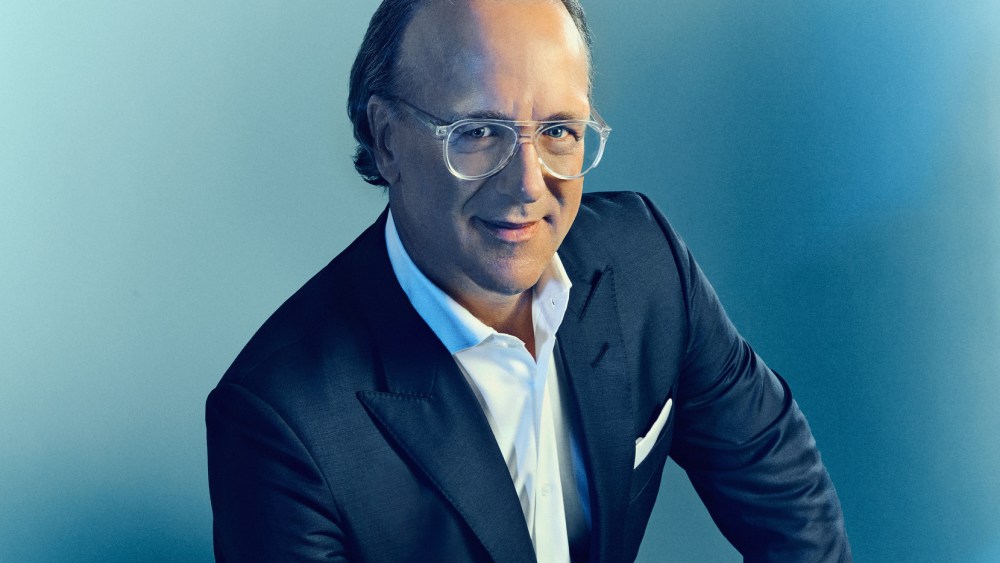
The 40th-floor reception area of Estée Lauder’s New York headquarters has undergone a significant transformation since the pandemic, shifting from vibrant decor to a serene palette of ecru, beige, and fawn. This understated elegance, with marble-topped tables adorned with orchids and cherished family portraits, reflects the fresh approach of the newly appointed CEO, Stéphane de La Faverie. As he traverses this revamped lobby, he symbolizes a new era for the beauty titan, one marked by resilience during one of the most challenging periods in its history.
De La Faverie is determined to redefine Estée Lauder, channeling the legacy established by its founder, Estée Lauder herself. The CEO’s vision is expansive, aiming to position the company as the leading consumer-centric luxury beauty brand globally. His confidence in the organization’s strengths—passion, talent, and the drive for change—signals a shift toward a more consumer-focused ethos. In an exclusive interview, he acknowledged that the past few years have not been without challenges, but he encouraged his team to concentrate on the factors they can control while navigating the turbulent landscape.
The challenges for Estée Lauder come from both internal and external pressures. After experiencing significant growth under former CEO Fabrizio Freda by tapping into the booming Chinese market, the company has faced setbacks due to declining revenues and innovative stagnation. De La Faverie recognizes that the path ahead is steep and requires bold, structural changes. William P. Lauder, chair of the board, emphasized that overcoming these challenges will not only fortify the company but also improve its resilience. This aligns with de La Faverie’s emphasis on fostering a culture of innovation and risk-taking to stabilize the company’s trajectory.
A major component of de La Faverie’s strategy is a five-part plan named “Beauty Reimagined,” designed to simplify operations and unleash agility amid bureaucratic constraints. The plan includes encouraging faster decision-making and reducing organizational silos. Wall Street analysts have shown cautious optimism, noting that while the transformation holds potential, it is still a watch-and-see situation. De La Faverie has proposed significant measures, including the elimination of thousands of positions to streamline operations, a move that resonates with the urgency to innovate and adapt.
De La Faverie’s leadership style embodies a proactive approach to decision-making, rooted in data-driven insights and an eagerness to experiment. He has already made strides to centralize brand operations and improve efficiency, emphasizing the importance of agility within a historically rigid structure. His philosophy encourages his teams to identify successes and embrace challenges as opportunities for growth. His unique blend of charisma and practicality positions him as a catalyst for the much-needed cultural shift at Estée Lauder.
In navigating demographic shifts, the company faces a pressing need to reconnect with younger consumers. Recognizing that innovation is vital to attract Generations Z and Alpha, de La Faverie aims to triple the brand’s innovations within a year. He maintains that the focus should be on creating fresh, engaging products while leveraging advanced technology, like AI, to predict market trends and enhance operational efficiency. As he envisions a future where experimentation is a norm, de La Faverie is resolute that revitalizing the company’s innovation engine is essential to reclaiming its place in today’s dynamic beauty landscape.


