








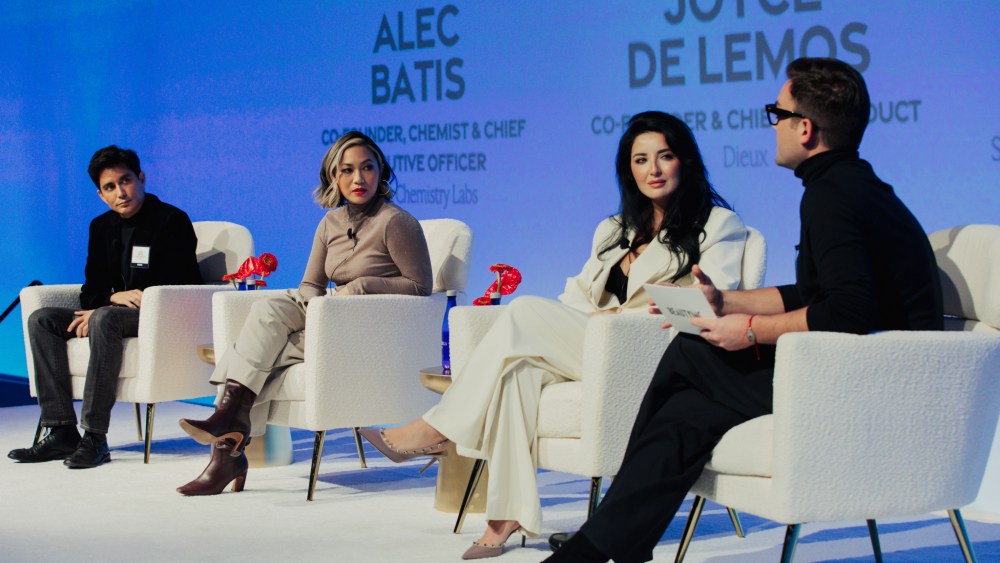
At WWD’s inaugural The Catalysts event in New York City, a group of industry experts gathered to discuss a transformative aspect of the beauty industry: formulation. Joyce de Lemos from Dieux, Dr. Polen Koçak of Sick Science, and Alec Batis from Sweet Chemistry shared their insights on how formulation practices are evolving, the impact of artificial intelligence (AI) in product development, and the future of beauty innovations. This eclectic mix of voices highlighted a common theme: the crucial role of formulation in enhancing both consumer experiences and product efficacy.
One of the central topics was the integration of AI into formulation processes. While AI can significantly contribute to data analysis and trends, de Lemos emphasized that it will never fully replace the tactile sensitivity and creativity that human formulators bring to the table. She explained that formulation is not merely a numbers game; it requires an intuitive understanding of textures, scents, and the nuanced interaction of ingredients. Koçak echoed this sentiment, stating that while AI can streamline the analysis of vast amounts of botanical data, it complements rather than replaces the artistry involved in formulating beauty products.
Batis shed light on how AI is reshaping consumer behavior in the beauty market. Traditionally, many beauty brands relied on secretive ingredient lists and behind-the-scenes manufacturing processes, but AI has democratized information. Consumers can now easily investigate the ingredients of products and compare them across brands. This access to information has shifted purchasing power toward the consumer, emphasizing the importance of transparency and communication. Brands must now clearly convey the value of their formulations to resonate with an increasingly savvy audience.
Education emerged as a vital theme throughout the conversation. De Lemos pointed out that consumers are becoming more discerning, and they seek assurance that their products deliver significant value. Brands need to proactively educate their audience, breaking down complex scientific terminology into relatable language. Koçak highlighted the importance of showcasing tangible results—such as before-and-after images—to build trust and credibility with consumers. This educational approach not only empowers consumers but also fosters a stronger connection between brands and their customers.
As the panel discussion drew to a close, each expert offered their predictions for the future of beauty innovations. Koçak expressed excitement about products that harness the principles of cell communication, potentially revolutionizing skincare effectiveness. De Lemos looked forward to advancements in sunscreen technology, aspiring for formulations that are not just functional but also aesthetically pleasing. Meanwhile, Batis envisioned a future where regenerative medicine and farming technologies lead to more sustainable practices, shifting away from traditional marketing tactics in the beauty industry.
In summary, the evolution of beauty formulations is deeply intertwined with technology, consumer education, and transparency. The dialogue at The Catalysts event underscored a shift toward a more informed consumer base that demands high-quality, effective products. As AI and innovative practices continue to evolve, brands will need to prioritize authenticity, education, and creativity in their formulation strategies, ensuring that they remain relevant in a rapidly changing landscape. Ultimately, the future of beauty lies in a harmonious blend of science, artistry, and consumer empowerment.


