

A New Era in Beauty Retail
The beauty and wellness industry is on the brink of a transformative shift, with innovative players redefining how products are marketed and sold. This next chapter is driven by a desire for creativity and individuality, as brands strive to meet consumers’ growing expectations for value and uniqueness. Traditional giants like Amazon and TikTok Shop have disrupted established channels, pushing beauty brands to rethink their sales strategies. In response, a diverse range of beauty retail platforms are emerging, each offering distinct approaches to customer engagement and product discovery. The challenge for these platforms is not just to capture market share, but to resonate deeply with consumers eager for new experiences.
Sarah Chung Park, founder of K-beauty World, aptly captures the zeitgeist by stating, “Today’s beauty consumer is driven by curiosity, not just loyalty.” This sentiment emphasizes a paradigm shift—from mere shopping to exploration. Platforms like Martie have capitalized on this evolving consumer behavior by focusing on affordability and style. Founded as an off-price online grocery store, Martie has quickly made beauty its leading revenue category, offering substantial discounts on high-end brands. With products often priced at around half their regular cost, the platform appeals both to budget-conscious shoppers and those seeking quality without compromise. The founders envision Martie as the “Amazon for liquidation,” a space where consumers can feel chic while making smart purchasing decisions.
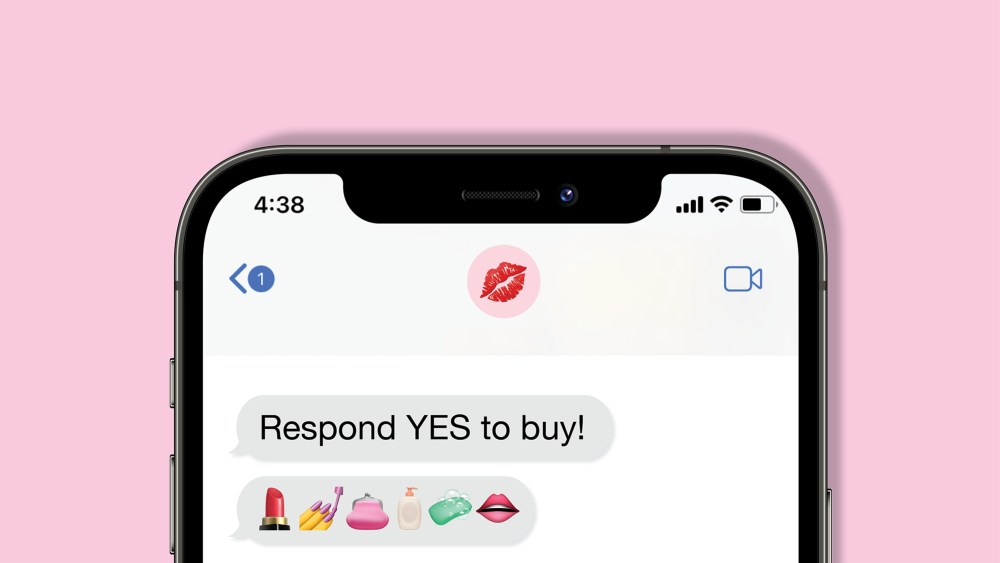
Another innovative player, 213Deli, hopes to revive the "text-to-buy" shopping method that once dominated the beauty market. Created by former Ipsy executives, this platform’s unique weekly product drops are touted as a way to streamline the shopping experience for busy Gen X consumers. Instead of scrolling endlessly on social media, users receive curated recommendations directly through text messages. This personalized, efficient purchasing method encourages repeat business, as 75% of users make multiple purchases. The founders believe that through direct engagement and targeted marketing, they can better serve a consumer base that values convenience and tailored experiences.
K-beauty World, led by Chung Park, aims to centralize Korean beauty brands in the U.S. market, showcasing a curated selection of products at Ulta Beauty. By grouping multiple brands under one umbrella, the initiative enriches the consumer experience, offering a narrative that transcends individual products. This strategy is supported by a pop-up tour—K-beauty Mart—where promising new offerings were introduced alongside engaging cultural experiences. With multisensory touchpoints and educational opportunities, this approach aims to build a deeper connection between consumers and K-beauty, enticing them with a blend of discovery and cultural context.
At the forefront of retail innovation is Tm:rw in Times Square, a vast “multisensory playground” designed to revitalize the shopping experience. This establishment, birthed from a kinship with technology and hands-on learning, is not only about selling products but about making technology accessible to everyone. With cutting-edge offerings and interactive displays, Tm:rw invites consumers to engage with beauty and wellness products in a lively, educational environment. The vision is clear: retail should be a space of interaction and excitement, bridging the gap between innovative technology and consumer needs.
In this evolving landscape, the most successful platforms are those that nurture curiosity and discovery. Shopping is no longer a transactional experience but an adventure, where every purchase story enriches the consumer’s journey. As beauty retail continues to diversify, brands that encourage exploration and provide tailored, immersive experiences will not only survive but thrive. The future of beauty retail is bright, characterized by dynamic platforms that champion change and engagement, reshaping how beauty products are experienced and loved.