








In 2025, the landscape of beauty mergers and acquisitions (M&A) showcased a remarkable contrast. On one side, high-profile transactions predominated, with brands like Hailey Bieber’s Rhode fetching a staggering $1 billion from E.l.f. Beauty, alongside Medik8’s acquisition by L’Oréal for $1.1 billion, and Touchland’s sale to Church & Dwight for up to $880 million. Conversely, other once-prominent brands such as Kate Somerville and Nudestix faced declining performance, leading to their eventual sales with little attention from buyers in the intermediate market. This divide illustrates the fierce competition in the beauty sector, prompting both major conglomerates and independent founders to reassess their portfolios and backers in this evolving market.
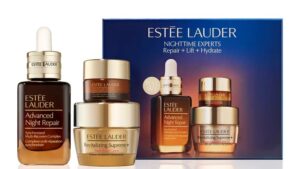
Experts, like Andrew Charbin from PricewaterhouseCoopers, highlight the turmoil within large firms that overexpanded their portfolios during the M&A boom leading up to 2021. Key brands, including Too Faced, Smashbox, and Dr.Jart+, have been rumored to be on the chopping block by Estée Lauder. The situation has also triggered speculation around LVMH’s possibilities of selling Fenty Beauty, a brand crafted with the help of Rihanna. Furthermore, Pat McGrath Labs, once boasting a $1 billion valuation, is now on the market, reflecting a significant shift in the industry where growth is becoming increasingly challenging.
As many brands confront the need to adjust or exit, the pool of potential buyers is expanding to include not just private equity firms but also operational entities eager to capitalize on distressed assets. Ilya Seglin of Cascadia Capital mentions that many buyers see room for rejuvenation in underperforming brands, especially if the businesses retain a solid gross margin. This shift presents an intriguing opportunity, as many firms look to acquire brands with both potential and legacy, transforming their market position.
Five notable players in this acquisition space are gaining traction. First is AS Beauty, founded by E.l.f. Beauty alumni and focused on revitalizing struggling brands. In 2025, AS Beauty reported an impressive 30% growth, primarily driven by its digital strategy and customer focus. Windsong Global, established in 2006, specializes in operational turnarounds, acquiring brands like JVN Hair and Pipette following Amyris’ bankruptcy. Their hands-on approach has driven brands back to profitability, with optimistic growth forecasts for KVD Beauty, a brand with the potential to exceed $100 million in revenue.
The Auréa Group, founded in 2021, has gained recognition for swiftly turning around The Body Shop after acquiring it amid bankruptcy troubles. They focused on eliminating excessive costs and enhancing online sales, aiming for digital revenue to comprise a significant portion of the brand’s business. Rare Beauty Brands, which recently acquired Kate Somerville, seeks to restore the brand’s stature by emphasizing its clinical roots. Meanwhile, American Exchange Group entered the beauty realm through AX Beauty and notable acquisitions like Indie Lee and Urban Skin Rx, targeting the masstige market and generating significant sales.
As the beauty industry continues to navigate this era of extremes, the blend of successful acquisitions and turnarounds illustrates a dynamic market landscape. Companies are not just acquiring brands but are also committed to revitalizing their legacies, focusing on operational efficiency and effectively engaging their customer bases. The ongoing shifts reveal a maturing sector where both established and emerging players leverage innovation and strategic pivots to secure a brighter future. The beauty market’s capacity to evolve in response to these changing dynamics will play a crucial role in shaping the next chapter of its story.


