







K-beauty, the vibrant segment of the global beauty industry hailing from South Korea, faces potential turbulence as the U.S. government prepares to impose new tariffs on imports from its key trading partners, including South Korea. Recently announced by President Trump, the introduction of 25% duties, effective August 1, comes as a significant shift for Korean beauty brands that have thrived under the Korea Free Trade Agreement established in 2012, which had allowed these products to enter the U.S. market duty-free. The impending tariffs threaten to disrupt this favorable arrangement, casting doubts on the stability and future growth of K-beauty in the U.S.
Experts predict that these tariffs could significantly escalate the cost of Korean beauty products, ultimately affecting American consumers. David Chung, CEO of iLabs and Morae Packaging, emphasizes that higher prices are likely to translate to inflationary pressures for the broader economy. This poses a challenging predicament for beauty brands that have enjoyed a steady rise in popularity, as they grapple with how to maintain affordability while coping with the increased costs of doing business. The beauty sector, particularly K-beauty, has proven resilient but may find recovery from such economic shifts increasingly difficult.
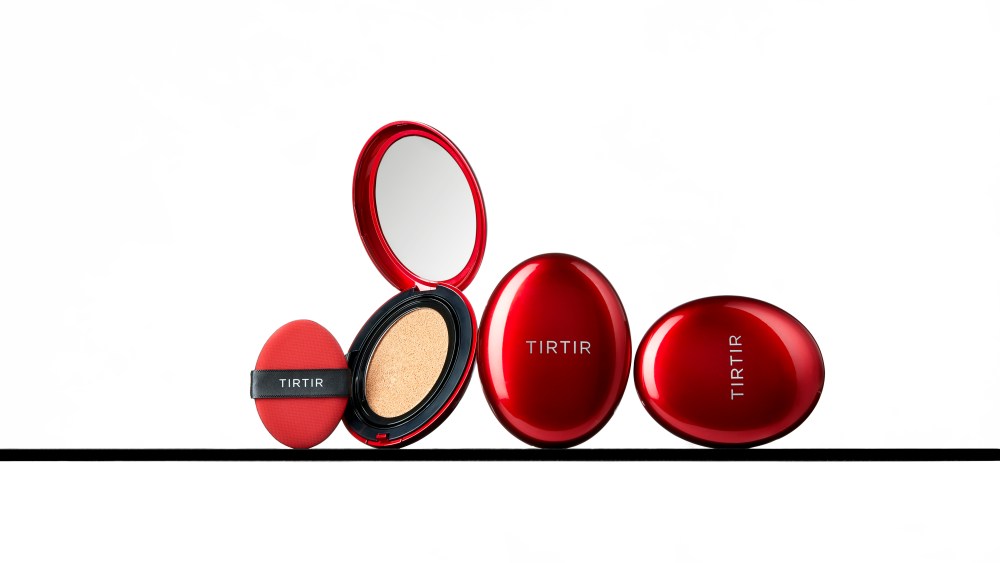
In recent years, K-beauty has witnessed a rejuvenation in the U.S., with several brands achieving viral status, particularly through platforms like TikTok. Brands such as Beauty of Joseon, TirTir, and Medicube have captured the attention of a new generation of beauty enthusiasts, propelling their revenues skyward. For instance, Beauty of Joseon saw its sales leap from $31 million in 2020 to over $100 million in 2023, partly due to its trendy offerings. This summer, Ulta Beauty plans to expand its K-beauty line by adding 13 new brands, reflecting the robust consumer interest in these products.
However, the allure of K-beauty may be hindered by the impending tariff increases. Retailers such as Senti Senti express concerns about the sustainability of prices in a market where affordability is a key appeal. Co-founder Winnie Zhong admits the company must now forecast larger inventories to offset potential cost increases, complicating logistics especially in expensive markets like New York City. This juggling act illustrates the broader challenges faced by import businesses in adapting to sudden changes in trade policy.
Charlotte Cho, founder of the beauty e-tailer Soko Glam, notes that many brands are adopting a cautious approach as they evaluate the situation. The uncertainty surrounding the tariffs presents a significant dilemma, as the burden of additional costs may eventually fall on consumers. Since many beauty brands also rely on materials sourced from Asia, the ripple effects of tariff implementation could extend beyond K-beauty brands, impacting a wide variety of products available to American consumers.
Nevertheless, some brands, like Medicube, remain optimistic about maintaining price stability despite the looming tariffs. Medicube’s U.S. director, Junehee Nam, argues that the low production costs associated with K-beauty products should allow them to remain competitively priced, even with the new tariffs in play. However, she highlights that while consumer prices may not escalate dramatically, businesses will need to rethink profit margins and marketing strategies, underscoring the real challenge posed by the unpredictability of the new trade landscape. Amid these transitions, the essence and competitive edge of K-beauty—characterized by innovation and adaptability—will be crucial in sustaining consumer loyalty and confidence in a shifting market environment.


