








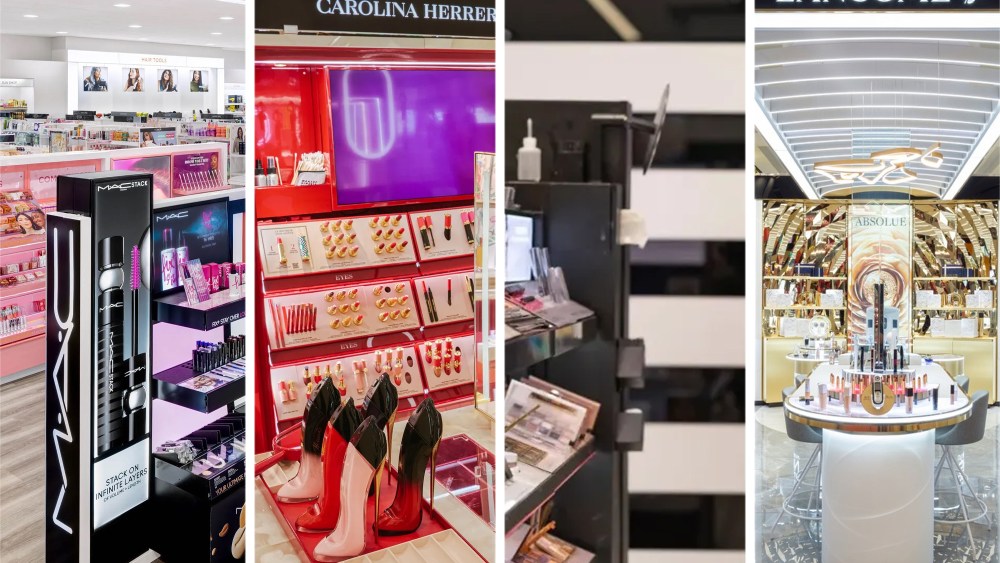
As beauty e-commerce continues its meteoric rise, particularly with a striking 48% of U.S. beauty sales originating online, traditional brick-and-mortar retailers are facing significant pressure. Recent research from ChangeUp, which surveyed over 1,600 beauty shoppers, reveals that nearly half of consumers feel physical stores are lagging behind the rapid pace of beauty trends. Moreover, a staggering 69% of respondents find beauty shopping to be overwhelming. This indicates a growing disconnect between the fast-evolving beauty landscape and the experiences offered in-store.
According to Alexa Jewell Schaefer, ChangeUp’s director of strategy, successful retailers are those creating opportunities for education and discovery, rather than merely pushing products in a transactional manner. Shoppers are seeking interactive and informative experiences that resonate with their needs, highlighting that retailers must adapt to these shifts to remain relevant and competitive. This evolution suggests a major opportunity for brands looking to innovate beyond traditional strategies.
When examining specific retailers, Nordstrom stands out for its customer satisfaction. A reported 52% of shoppers expressed love for the beauty shopping experience at Nordstrom, with another 35% indicating they enjoy it a lot. The recent overhaul of Nordstrom’s beauty department in New York exemplifies this commitment to creating more engaging shopping experiences. By reorganizing the layout to bring beauty front and center, the retailer is effectively enhancing customer engagement right from the moment they enter the store, according to former executive vice president Debbi Hartley-Triesch.
Following Nordstrom, Ulta Beauty also garners positive sentiments from customers, although it trails slightly behind in consumer satisfaction. Sephora, while respected, ranks just two points lower than Ulta in terms of shopper enjoyment. Conversely, drugstores such as CVS, Walmart, and Walgreens rank as the least favored among beauty shoppers. This disparity can be attributed to issues like increased product lockups which diminish the tactile experience that many consumers seek when shopping for beauty products, ultimately impacting their satisfaction and perceptions of these retailers.
Interestingly, while customer perceptions provide valuable insights, they do not always reflect actual sales performance. For instance, Macy’s topped the charts for fragrance sales during the first half of 2025 despite ranking only fourth in customer enjoyment regarding beauty shopping according to ChangeUp’s findings. In contrast, Ulta ranked second for fragrance sales as well as customer satisfaction, highlighting that sales metrics and consumer feelings can tell different stories.
The overall sentiment among beauty shoppers leans towards specialty beauty retailers, as indicated by ChangeUp’s survey. Those seeking dupe products, however, are increasingly attracted to drug and mass retailers, demonstrating a unique consumer behavior pattern. This suggests that while many consumers value tailored experiences in specialty stores, some are still drawn to the affordability and convenience that mass retailers offer, creating a nuanced landscape in today’s beauty market.


