

Meeting the Heat: Innovations in Beauty and Wellness
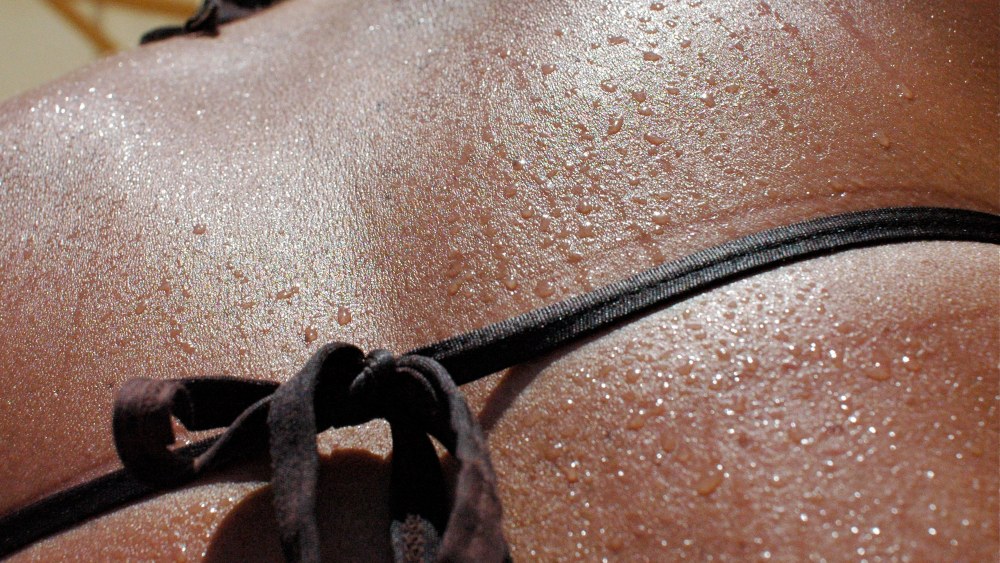
As high temperatures continue to rise, the beauty and wellness industries are stepping up to meet the growing demands of consumers seeking effective solutions. With people becoming increasingly aware of the challenges that heat poses, innovation has become key. Companies are exploring new categories, introducing cooling mists, thermoregulating clothing, and even ice-based skincare products. Outdoor activities, wellness services, and beauty treatments are also evolving to provide relief and comfort in extreme conditions. Elizabeth Lafontaine from Placer.ai notes that as consumer awareness increases, so does the demand for effective solutions that can mitigate the discomfort of high temperatures.
The potential health risks associated with extreme heat are often overlooked. Dr. Scott Braunstein, a chief medical officer at Sollis Health, highlights that heat can negatively affect various bodily systems, from cardiac to kidney functions. Individuals may experience symptoms ranging from muscle cramps to sunburn, and in severe cases, heat stroke can lead to disorientation, confusion, or even life-threatening complications. Certain populations, such as those with existing health conditions or on specific medications, are at heightened risk. Braunstein advises understanding the heat index, which factors in temperature and humidity, and emphasizes hydration, breathable clothing, and preparing for heat-related risks.
Innovations in cooling fabrics and clothing are helping consumers stay comfortable in hot weather. Brands like ThirdLove have introduced collections that utilize fabric technology infused with volcanic minerals to regulate temperature. This allows garments to adapt preemptively to rising body temperatures and proactively cool the wearer. Rani Lounge has also embraced smart fabric technology, creating loungewear that encourages moisture evaporation, further promoting comfort during hot nights. Experts emphasize the importance of such advancements: effective sweat evaporation not only keeps the body cooler but can also alleviate skin-related issues arising from heat.
Meanwhile, cosmetic companies are evolving to address skin protection needs in response to rising temperatures. As sun exposure increases, new sunscreen and post-sun-care products are hitting the market. For instance, Dermalogica’s BioLumin-C Heat Aging Protector SPF 50 tackles both sun protection and damage caused by heat. Beauty experts are also advocating for cooling products, such as mists and frozen toner pads, to counteract inflammation and redness that can be exacerbated by heat. Sofie Pavitt, a skincare expert, emphasizes the importance of keeping skin cool to prevent issues like hyperpigmentation or painful acne, which can be provoked by elevated temperatures.
Despite the seasonal challenges posed by extreme heat, demand for beauty products remains strong. Lafontaine suggests that consumers are unwilling to compromise their beauty routines due to weather changes. Instead, many are incorporating products tailored for hot weather, such as lightweight setting sprays and SPF additives. This adaptability in consumer behavior signals that even amid rising temperatures, the beauty and wellness industries are equipped to thrive. Aesthetic providers are also adapting their services, offering treatments like Cryo Recovery Facials to reduce inflammation and promote hydration, catering to clients’ comfort in a changing climate.
The influence of climate change extends beyond beauty and wellness—travel and recreational activities are also evolving. Experts note an uptick in interest around nocturnal tourism and stargazing experiences due to heat concerns. Wellness resorts are adjusting their offerings and programs, recognizing the need for climate-adaptive wellness experiences. Resorts are implementing unique treatments that align with changing temperatures while prioritizing guests’ safety. Trends point toward greater popularity for destinations with milder climates, as people seek relief from the heat. Ultimately, the overarching theme is that all sectors must adapt to changing environmental conditions, ensuring a comprehensive approach to health, beauty, and comfort.