







The beauty industry has seen a notable rebound in sales since the pandemic, with a particularly interesting trend brewing within private-label brands. These retailer-owned beauty lines, such as Sephora’s “Sephora Collection” and Ulta Beauty’s revamped offerings, have been quietly gaining ground. The rise of these brands reflects a shift in consumer attitudes towards beauty products, especially among younger shoppers who are entering the market at an earlier age and are more inclined to explore diverse options. This changing landscape, which includes a departure from traditional “signature fragrances” to a more value-oriented approach, positions private-label products favorably as consumers become more discerning about their purchases.
The timing of this growth aligns with broader economic uncertainties that typically encourage shoppers to seek out private-label alternatives. As consumers start tightening their budgets and hesitating to spend on discretionary items, private-label items become a go-to choice. Jacqueline Flam Stokes, a senior vice president at NielsenIQ, notes that today’s interest in private labels isn’t solely driven by economic factors. There’s a growing awareness among consumers of what private-label brands can offer, including quality ingredients and product benefits that resonate with their desires for transparency and value.
Interestingly, it’s not just older consumers who dominate the private-label shopping demographic anymore. Recent data reveals that younger generations, specifically Gen Z and Millennials, are increasingly embracing these brands, with 67% indicating that private-label products are comparable in quality to national brands. This trend extends to higher-income shoppers as well, with 72% of individuals earning over $100,000 expressing similar sentiments. The attractiveness of private-label beauty products has led to a significant market growth, with private-label beauty sales surging by 10.4% in 2023, reaching approximately $3.9 billion, outpacing other non-food categories.
With around 9.5% of total health and beauty sales coming from private-label brands, the landscape remains robust. Retail channels like drugstores, grocery stores, and mass retailers are experiencing substantial private-label growth, while specialty beauty retailers now see a unique opportunity to strengthen their private-label offerings. For example, Walgreens recently introduced its “dupe” collection, offering budget-friendly alternatives to popular high-end products. This strategic move is part of a larger trend within the retail sector, where brands are taking bolder steps toward expanding private-label lines, focusing on meeting the evolving preferences of savvy consumers.
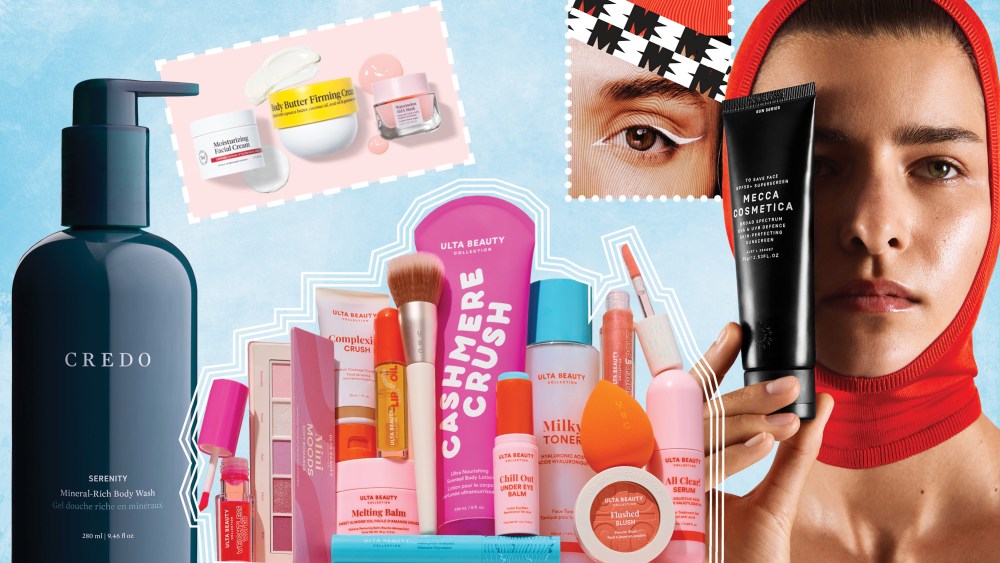
Ulta Beauty has also taken significant strides, having revamped its own private-label collection with a trendy new look that appeals directly to Gen Z and younger Millennials. Their strategy emphasizes the importance of differentiation in a competitive market where consumers are more aware of their choices. Ulta’s approach reflects a commitment to keeping its product offerings fresh and relevant, investing in new product development well ahead of time. Meanwhile, other retailers, such as Credo Beauty, seek to innovate beyond traditional price competition, focusing instead on high-quality formulations and engaging storytelling that resonate with their customers.
The competition in the private-label space is fierce, with established brands setting high standards. Retailers need to have clear reasons for introducing new private-label lines that extend beyond just being cheaper alternatives. As the beauty market continues to evolve, there’s recognition that private-label products can successfully compete against well-known brands if they focus on quality ingredients, compelling narratives, and effective branding. This evolving landscape opens doors for fresh innovation in private-label products, aligning with consumer demand for novelty, experimentation, and high-quality offerings at attractive price points. As consumers increasingly seek unique experiences, the future of private-label in the beauty sector looks promising as it adapts to meet these changing needs.


