







The Resurgence of Beauty Marketplaces: Understanding the Shift
Beauty marketplaces are witnessing a revival, and the driving force behind this resurgence is undeniable. Spearheaded by giants like Amazon, a plethora of online, multivendor platforms are gaining traction. As new brands continue to join Amazon monthly, traditional retailers such as Walmart and Ulta Beauty are intensifying their marketplace efforts to keep pace with shifting consumer preferences. This transformation reflects a pivotal moment in the beauty industry where accessibility and convenience reign supreme.
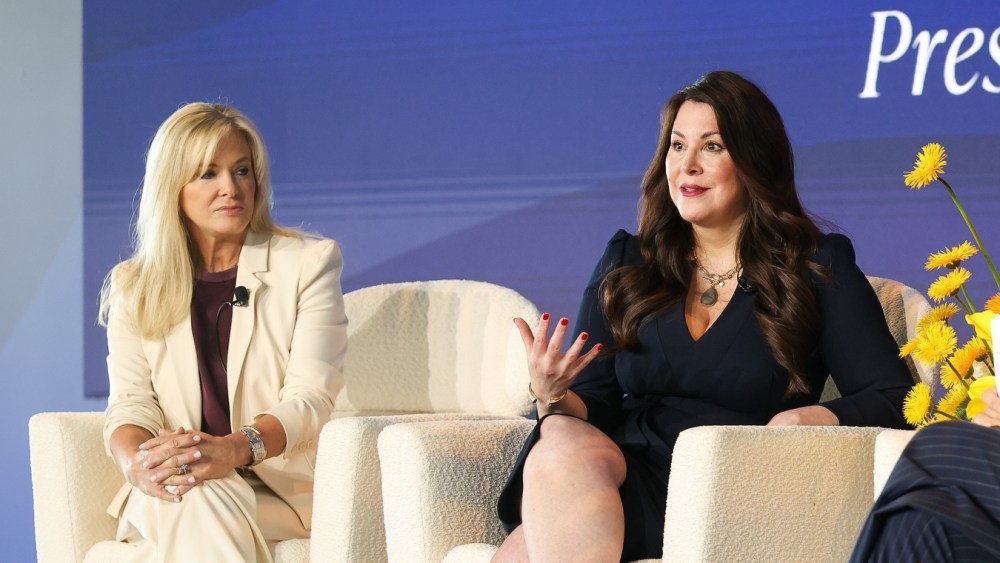
In a recent discussion during the 2025 WWD x FN x Beauty Inc Women in Power Conference, industry experts emphasized that the consumer journey has evolved significantly. Vanessa Kuykendall, the chief engagement officer at Market Defense, explained that today’s consumers are vocal about their shopping preferences, prompting retailers to adapt quickly. With social media platforms driving trends at lightning speed, consumers no longer need to wait for retail buyers to respond; they can jump directly to a marketplace to purchase trending beauty products promptly.
The impact of social media on consumer behavior is particularly pronounced for brands like Dime Beauty, a company founded in 2018 that initially sold exclusively direct-to-consumer. With its recent expansion to Amazon and Ulta Beauty, Dime has discovered that its Amazon customers have a distinct preference for fragrance products. CEO Cyndi Isgrig pointed to a specific example where a viral TikTok video led to extraordinary growth in Amazon search volume and ranking for their products. This connection between social media virality and the performance of products on marketplaces illustrates how quickly trends can translate into sales.
Consumer preferences are also shifting toward more inclusive and diverse offerings. Marketplace trends reflect increasing interest in unique product categories, such as men’s pheromone fragrances and Arab-inspired perfumes. Remarkably, one notable Arab fragrance brand on Amazon had no previous retail presence in the U.S. market. Its success, fueled by influencer marketing, showcases the potential for brands to thrive in the digital space without traditional retail endorsements. Kuykendall’s insights suggest that even brands that haven’t gone viral can leverage marketplace data to navigate and participate in trending conversations.
Furthermore, Kuykendall pointed out that contemporary shoppers do not restrict their choices to specific shopping channels. Instead, they gravitate toward brands that resonate with them. This insight resonates particularly well with Walmart’s strategic focus on enhancing their beauty marketplace, especially considering that a significant portion of their beauty consumers are Millennials. However, the challenge remains for these retailers to deliver an extensive and premium selection that meets the expectations of this audience.
Amidst these shifts in the beauty landscape, Kuykendall openly shared her personal journey, underscoring the empowering role that beauty products play, especially in the face of challenges like illness. After her breast cancer diagnosis, she found comfort and control through beauty products, using moisturizers and self-tanners to manage her scars. Her narrative highlights the duality of the beauty industry: while it can sometimes perpetuate insecurities, it also holds the transformative power to enhance personal well-being and confidence. Ultimately, the beauty marketplace evolution is not just about trends and sales; it’s about redefining how consumers engage with and experience beauty.


