

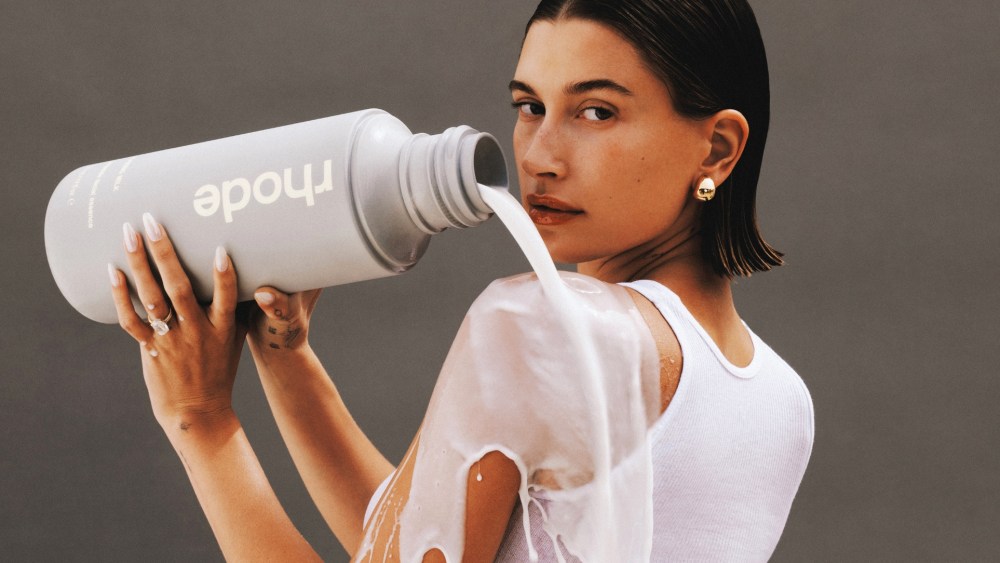
The Rise of Milk in Beauty Products
In recent years, the beauty industry has witnessed an explosion of food-inspired products, with trends highlighting flavors like “strawberry glaze” and “guava.” However, an unexpected newcomer has taken the spotlight: milk. Brands are embracing this unique ingredient, introducing a range of beauty products that leverage the nourishing qualities associated with milk. From Mikayla Nogueira’s award-winning Drench It face toner to Fenty Beauty’s Butta Drop Hydrating Body Milk, “milky” products can be found across various categories, rapidly becoming associated with viral trends such as “skin milking.”
One standout in this trend is Hailey Bieber’s Rhode brand, particularly her Glazing Milk face essence, which has been a social media sensation since its launch. Priced at $32, it promises to combat dryness and dullness while leaving a glassy finish on the skin, closely associated with Bieber’s aesthetic. Despite the name, these products do not contain actual animal milk. Instead, the term "milk" refers to a textural quality derived from humectants, vitamins, and ceramides, creating a soothing and gentle product ideal for even the most sensitive skin types. According to Onyedika Achilike, founder of Blue Nomad, this texture fulfills a growing desire for calming skincare rituals.
Achilike points out that the rising popularity of milk-influenced products is tied to a broader trend toward ritual-driven beauty. Consumers are seeking more tactile experiences when it comes to self-care, adopting slow skincare regimens that emphasize sensory enjoyment. With their unique textures, milk-derived products offer more than just efficacy; they provide a soothing, ritualistic moment that nourishes both the skin and the senses. This multifaceted approach to beauty appeals to those who appreciate both the science behind ingredients and the aesthetic pleasure of using them.
Experts also note that while many of these products don’t contain lactic acid, those that do can provide additional moisturizing benefits. Dr. Ross Kopelman highlights that milk proteins aid in smoothing the hair cuticle, enhancing softness and shine. Interestingly, not all skin and hair types may respond positively to these products. For those with acne-prone skin or sensitivities, a milky texture might feel heavy or clogging. A cautious approach, such as patch testing, is recommended before fully incorporating these products into a skincare routine.
Ultimately, while milk-infused beauty products present a promising avenue for skincare enthusiasts, individuals should be mindful of their unique skin types and sensitivities. The exploration of these milky textures can be enjoyable and effective, but personal experience matters. For those who typically enjoy milk in their diets, the transition to milk-infused beauty may feel natural. However, it’s essential to listen to one’s skin to ensure a positive and enriching self-care experience, harnessing the soothing essence of milk without compromising skin health.