

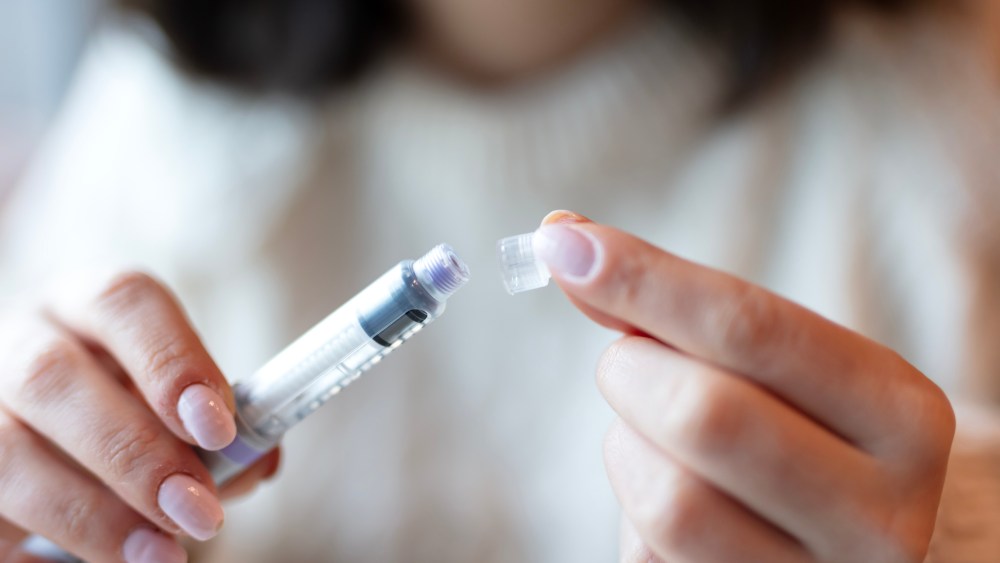
The landscape of weight loss treatments in the U.S. has shifted significantly, particularly with the rise of GLP-1 medications like semaglutide and tirzepatide. Traditionally, these treatments required a visit to a healthcare provider, but now, aesthetic spas are entering the market, making it easier and more accessible for patients to seek out these options. This burgeoning sector is not only expanding access to weight loss drugs but also transforming them into a lucrative business. With a focus on compounded versions of popular medications such as Ozempic and Mounjaro, patients are drawn to the promise of lower costs—averaging around $350 for semaglutide and $485 for tirzepatide monthly, which is substantially less than the brand names.
A noteworthy trend in this market evolution is that a significant portion of those seeking GLP-1 treatments at aesthetic practices are new to these settings altogether. According to Erika Sheyn, a senior vice president at Guidepoint Qsight, a compelling 61 percent of patients were first-time visitors to aesthetic clinics when they began GLP-1 treatments. This surge not only highlights a growing consumer interest in weight loss therapies but also suggests a parallel increase in revenue for these practices. The introduction of these medications is encouraging new clientele to adopt aesthetic procedures, which were previously less related to weight loss, creating a crossover market in beauty and wellness.
The relationship between GLP-1 treatments and additional aesthetic services is also noteworthy. A striking 13 percent of new patients on these medications return to clinics within a year for other aesthetic treatments, such as Botox or skincare services. This trend indicates that individuals are seeking complementary options to enhance their overall appearance, particularly addressing any side effects that may arise from significant weight loss. As patients engage in transformative health journeys, they are increasingly looking to holistic approaches to refine their looks, reflecting a growing interconnectedness between wellness and aesthetics.
While regulatory changes have posed some challenges, the GLP-1 market remains stable and poised for growth. According to Sheyn, the aesthetics industry has continued to thrive, with the sale of GLP-1 products at a meaningful scale, despite some moderation in compounded GLP-1 sales. The peak in sales occurred in early 2025 as businesses adapted to new compliance standards following FDA grace periods. These changes suggest that the market is maturing, with practitioners recalibrating their operations to meet evolving legal and regulatory expectations. Demand continues to be strong, even as oversight becomes stricter.
Key projections about the financial landscape of GLP-1 treatments reveal significant growth in patient spending within aesthetic practices. From a modest $2 million in 2021, spending skyrocketed to an estimated $85 million in 2022, and projections indicate a staggering $850 million for 2023. Looking ahead, billing could reach $1.55 billion in 2024 but is estimated to slightly decline to $1.21 billion by September 2025. This trajectory demonstrates an impressive expansion of the industry, reflecting both the rising popularity of weight loss medications and the broader acceptance of aesthetic treatments as a crucial part of personal care regimens.
As the aesthetic market continues to innovate and respond to consumer needs, the intersection of beauty, health, and wellness presents new opportunities. With an increasing array of services to accommodate those seeking to enhance their appearance, aesthetic practices are becoming one-stop shops for comprehensive care. Consumers now expect not only effective treatments for weight loss but also additional services that ensure a holistic approach to their wellness journeys. This evolution signals a dynamic shift in the healthcare landscape, bridging the gap between traditional medicine and aesthetic enhancements, and setting the stage for a future where health and beauty coexist seamlessly.