
On a lively Friday night at Stéle, a niche fragrance boutique in New York, a vibrant crowd of over thirty “frag heads” mingles, deeply absorbed in the world of scent. This gathering is the store’s third recent event, celebrating the launch of Clue Perfumery’s latest fragrance, Dandelion Butter. For many attendees, this isn’t just another event—it’s a reunion. Ronit Kory, a frequent visitor since discovering Stéle through the “Perfume Room” podcast, highlights the diverse crowd: enthusiasts, content creators, industry professionals, and indie perfumers, all excitedly sharing samples and stories about their favorite scents.
This gathering takes place against a backdrop of a rejuvenated fragrance market following the pandemic. Linda Levy, president of The Fragrance Foundation, points out that fragrance sales soared 82% in early 2021, reflecting a cultural shift where people began to see perfume as an essential part of their lives. As consumers sought to explore scent in new ways, the online fragrance community evolved rapidly, offering more avenues for connection and discussion. Fragrance enthusiasts now have a multitude of platforms to dive into their passion, moving beyond the blogs and forums they once frequented.
Podcasts have emerged as a prominent space for fragrance lovers to convene. Emma Vernon, host of “Perfume Room,” started her show in 2021, originally focusing on interviews with industry professionals. She has since expanded her influence by launching “Smell Club,” a virtual fragrance-focused book club, and organizing unique events like “Smells Like Love,” where dating contestants engage through scent. These initiatives reflect a growing desire to connect with others through shared olfactory experiences. Vernon’s perspective mirrors that of many in the community, viewing fragrance as a form of self-expression and a means to connect on a deeper level.
As new generations of fragrance lovers cultivate their collections, the community has become increasingly inclusive. Sable Yong, cohost of the “Smell Ya Later” podcast, shares how the narrative around fragrance has shifted from competition to camaraderie. In her youth, matching scents could incite rivalry, whereas now, they foster bonding. This supportive environment is further enriched by events where enthusiasts swap and discuss fragrances, allowing them to connect through a shared love of scent as an art form.
Businesses are also responding to this cultural resurgence. The founders of Stéle have focused on building a community, hosting events that showcase the artistic side of fragrance. Laura Oberwetter of Clue emphasizes that these gatherings resemble gallery openings, aiming to create meaningful connections, not just transactions. The pandemic has also seen the rise of platforms like TikTok, which democratizes fragrance appreciation and knowledge, enabling influencers to share their scent experiences with a wider audience.
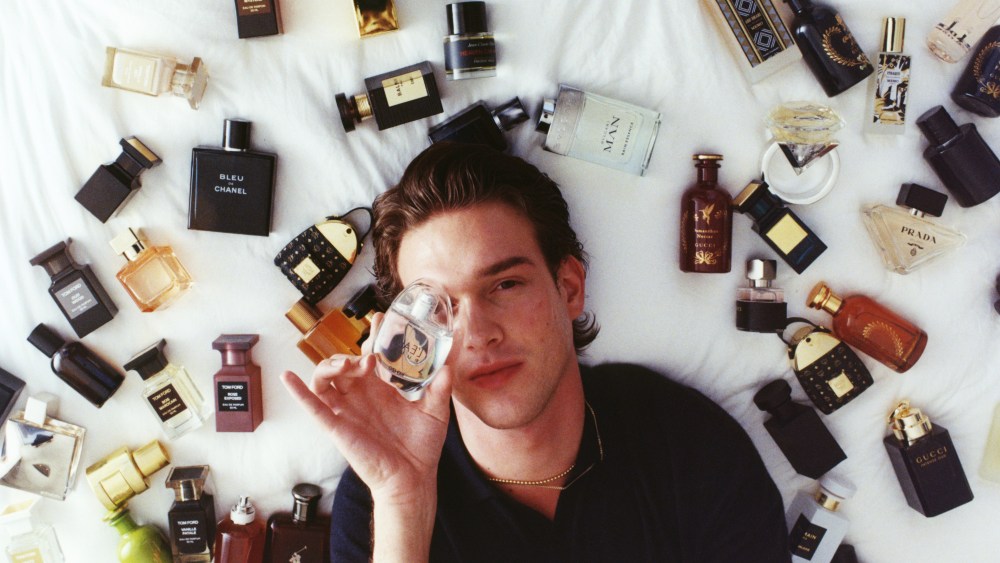
Indeed, figures like Luca Mornet exemplify the new wave of male fragrance influencers, sharing their perspectives on social media. Meanwhile, Vernon and Yong’s adventures in fragrance have even led them to launch their own scents, further blending their roles as enthusiasts and creators. The fragrance community, once perceived as niche, has become a vibrant tapestry of individuals passionately exploring scents, encouraging collaborations, and supporting one another’s journeys. This growth showcases how fragrance transcends mere aesthetics, offering an avenue for personal expression and connection among an ever-expanding circle of lovers of scent.