

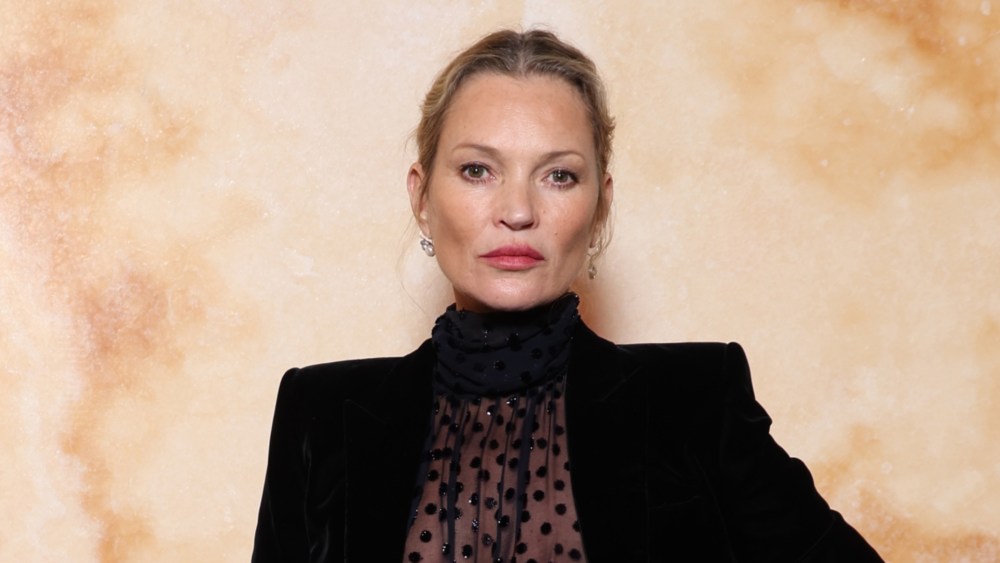
Last week, Kate Moss’ beauty venture, Cosmoss, entered liquidation just three years after its launch, underscoring a stark reality in the celebrity business landscape: star power alone isn’t a guarantee for success. This revelation prompts a closer look at several celebrity-founded brands from a more prosperous era in beauty, illustrating the varying fortunes they’ve faced and how they have evolved. From wellness-focused brands to makeup lines, the trajectory of these companies reflects both the challenges and triumphs of celebrity entrepreneurship.
One standout is Ashley Tisdale’s beauty brand, Being Frenshe, launched in 2022. Partnering with the incubator Maesa, Tisdale’s venture is projected to reach $100 million in sales by 2025. Recently, the brand expanded its offerings from candles and body care into hair products, demonstrating its upward momentum. This growth speaks to consumers’ increasing demand for wellness-oriented products in the beauty industry, an area where Tisdale seems to have found her niche and where her personal brand resonates strongly with fans.
Another noteworthy example is Beyoncé’s hair care line, Cécred. Despite its relatively brief existence, Cécred has successfully carved out a space in the competitive market, becoming the largest haircare launch in Ulta Beauty’s history. This achievement not only reflects Beyoncé’s immense influence but also highlights the strength of branding when backed by a well-established celebrity. The product’s widespread availability has allowed it to gain traction, further solidifying its position.
Rihanna’s Fenty Beauty remains a case study in successful celebrity-driven branding. Since its inception, Fenty has branched out across all major beauty categories, including skincare, hair care, and fragrances. The brand’s commitment to inclusivity and innovation has transformed the industry, setting standards that many others now aspire to. Similarly, Gwyneth Paltrow’s Goop has successfully restructured itself to emphasize fashion, beauty, and food, gaining traction in each of these verticals while appealing to those seeking a holistic lifestyle approach.
Lady Gaga’s Haus Labs also exemplifies resilience in this celebrity brand arena. Initially launched on Amazon, the brand struggled to find its footing until a significant relaunch in 2022 with a new retail partnership with Sephora. This strategic pivot has led to renewed interest and a reinvigorated brand presence. Meanwhile, JVN Hair, spearheaded by Jonathan Van Ness, initially debuted through Amyris but has transitioned since the company’s bankruptcy to be overseen by Windsong Global. This shift reflects the unpredictable nature of the beauty business, highlighting how adaptability can lead to survival despite external challenges.
On the brink of significant financial milestones are brands like Rare Beauty, founded by Selena Gomez. With projected sales nearing $400 million, it has swiftly capitalized on its viral appeal. Meanwhile, Ariana Grande’s R.e.m. Beauty has gained investment from Sandbridge Capital and firmly established its presence at Ulta, reflecting effective strategic moves in a fluctuating market. Conversely, Hailey Bieber’s brand, Rhode, recently signed an agreement to be acquired by E.l.f. Beauty, marking a significant milestone as it stands at a valuation of $1 billion, expanding beyond just makeup into skincare and lifestyle products.
As many celebrity brands navigate fluctuating market dynamics, the landscape continues to evolve. Kim Kardashian’s reinvention of her beauty line as Skkn by Kim, along with Naomi Watts’ menopause brand, Stripes, being acquired by L Catterton, exemplifies how celebrity ventures can pivot and adapt in response to market demands. With industry veterans stepping in to guide these transformations, it becomes evident that while celebrity status can open doors, sustainable success ultimately hinges on agility, innovation, and genuine consumer connection.