

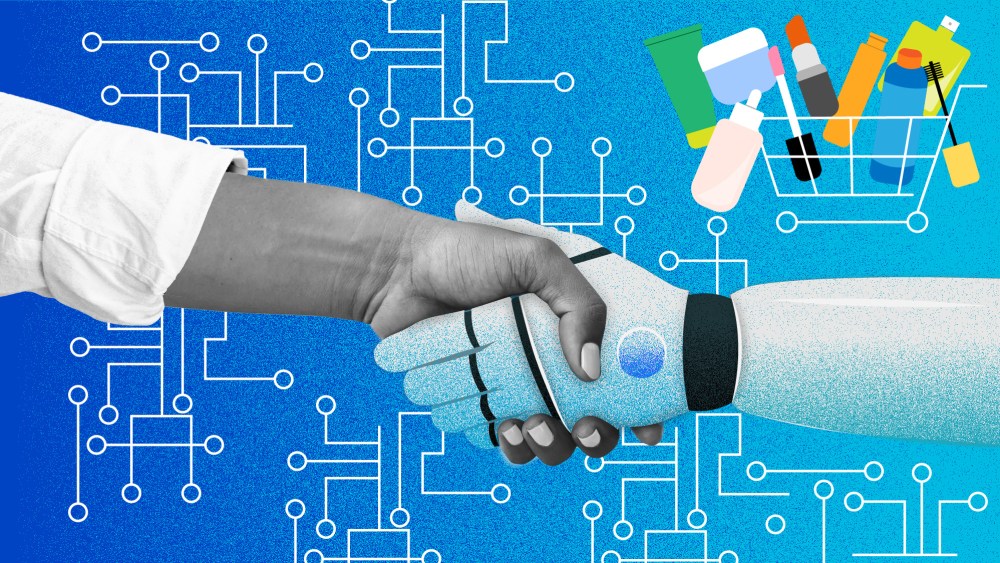
In recent years, beauty consumers have increasingly embraced artificial intelligence (AI) technologies to enhance their shopping experiences, such as virtually trying on makeup or experimenting with new hairstyles. However, the landscape of AI is evolving rapidly. Enter agentic AI, a groundbreaking advancement designed not just to suggest options but to take charge of purchasing decisions. Imagine a scenario where a bot buys mascara, hair color, or skincare products on your behalf, enlivening the shopping journey with a more personalized touch.
Agentic AI operates as a sophisticated personal assistant capable of executing complex tasks autonomously. Unlike traditional AI that merely responds to queries, these agents work collaboratively, forming a network of interconnected bots that communicate and make decisions based on user needs. As Wayne Liu, chief growth officer at Perfect Corp, pointed out, this movement signifies “a new era,” where AI doesn’t just respond but actively engages in a more human-like manner. Consumers can simply state their desires—like a $30 budget for mascara—and agents will spring into action, researching options, comparing prices, and finalizing purchases.
Imagine preparing for a wedding and needing advice on your look. The AI could inquire about your role at the event and tailor its recommendations to ensure you shine without overshadowing the bride. This level of contextual understanding exemplifies the potential of agentic AI, as it evolves from just a tool into a more emotionally intelligent companion in the beauty space. Influencers like Olivia Houghton of The Future Laboratory emphasize how this evolution integrates human feelings with AI functionality, shifting consumers’ relationships with beauty from basic transactions to emotionally resonant experiences.
Perfect Corp’s recent introduction of its Beauty Agent within the YouCam Makeup app encapsulates this evolution. Designed as a conversational AI experience, it goes beyond basic functions to understand and analyze individual user expressions. The agent promises not only to recommend products but also to guide users through application techniques tailored to their unique features and environments. By considering factors such as skin tone and product performance in different climates, the AI builds a comprehensive understanding of each user, ultimately creating a customized beauty experience that bridges technology and personal touch.
Looking toward the future, the landscape will require a standardized method for these agents to communicate across platforms for widespread adoption. Current limitations confine transactions to select retail platforms, restricting choices for consumers. As Emily Pfeiffer from Forrester Research notes, while we are in the early stages of agentic commerce, the possibilities are vast. A future where an AI agent manages subscriptions or automatic reorders for necessities, like mascara, might not be as far off as it seems. It is crucial for brands to approach these advancements with caution, ensuring that the emotional aspects of beauty shopping are not lost in the technological shift.
The rapid evolution of AI in beauty signifies an era of significant disruption, where brands will compete not only for consumer attention but also for algorithmic preference. As these intelligent systems evolve, brands will need to appeal to both human emotions and technical efficiency, aligning their marketing strategies with the growing capabilities of AI. In this promising yet uncertain future, beauty brands must cultivate a relationship with technology that is as emotionally engaging as it is innovative. Considering the speed at which the landscape is evolving, those who navigate these changes effectively will likely lead the way in the redefining of beauty consumption.