

The global wellness economy is on the cusp of monumental growth, expected to surge from $6.8 billion in 2024 to an astonishing $9.8 trillion by 2029, as highlighted in recent findings by the Global Wellness Institute. This transformation is driven by a growing demand for longevity-focused services within the hospitality sector. At a recent conference in Milan, attended by 600 industry professionals, the emphasis was placed on how hotels and resorts can deliver essential wellness offerings to guests. The modern traveler is increasingly seeking experiences that not only enhance their stay but also contribute to their overall health and longevity.
A key trend emerging from the conference was the shift towards tailored wellness experiences that extend beyond traditional spa offerings. Alena Stavnjak, the corporate spa director of Starwood Hotels, noted that guests are now looking for wellness-infused amenities—from healthy snacks in their rooms to gourmet wellness cuisine. This reflects a larger trend where wellness is being integrated into every aspect of hospitality, and hotels are evolving to accommodate these preferences. The emergence of biohacking as a concept marks a significant shift, focusing on optimizing bodily functions through diets, supplements, and innovative therapies.
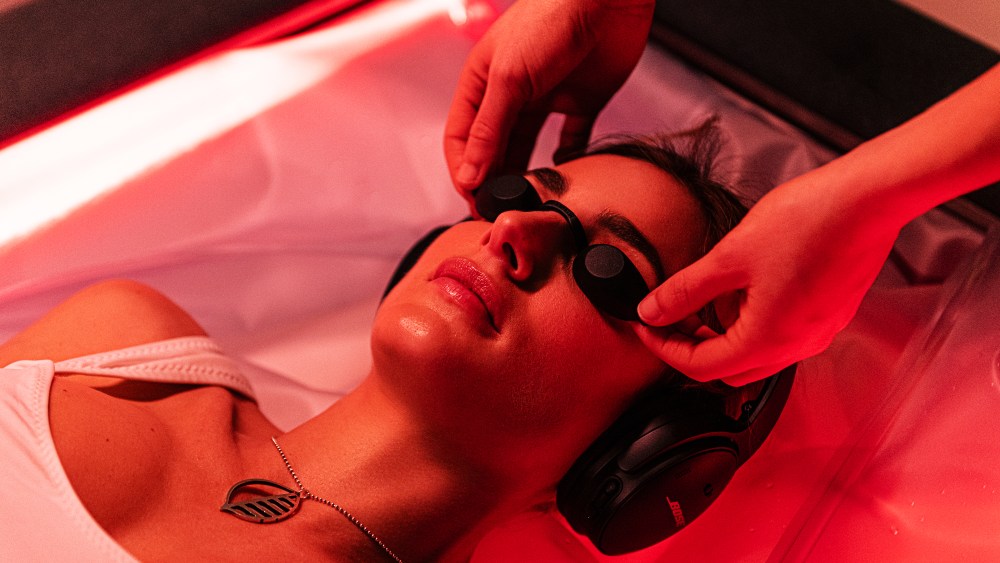
Innovative treatments like the Biohacking Suite at The Longevity Spa in Portrait Milano exemplify how cutting-edge wellness strategies are being implemented in luxury hotels. The suite offers unique therapies, such as Dry Float Therapy, which provides a sense of weightlessness and promises benefits like reduced stress and improved sleep. This treatment uses Near Infra-Red technology to enhance the body’s natural healing processes, demonstrating how hotels are creatively leveraging technology to promote health and wellness. Such developments are becoming essential attractions for wellness-minded travelers, indicating a shift towards experiential luxury.
As younger generations become proactive about their health, hotels are responding with specialized programs. Quellenhof Luxury Resorts in South Tyrol, for instance, has paired with micronutrient specialist Biogena to create biohacking opportunities aimed at optimizing health and energy levels. General spa manager Alessandra Scatà noted that even children are eager to understand their health and make changes early on, illustrating a cultural shift towards wellness awareness that demands new offerings from hospitality providers. This proactive approach underscores a broader trend where health optimization is prioritized, especially among younger clientele.
The notion of wellness is continuing to evolve, with Equinox Hotel serving as a hallmark of regenerative hospitality. This hotel brand incorporates sleep science into its guest experience through unique offerings, such as a “Sleep Experience” that combines cryotherapy with sound wave therapies designed to foster restful sleep. Every detail within the guest rooms reflects an intention to rejuvenate mind, body, and spirit, highlighting how integrated wellness strategies are becoming mainstream in the hotel industry.
As the wellness industry rapidly expands, it faces challenges from increasing rates of chronic diseases and mental health issues, fueling further growth. The Global Wellness Institute predicts a substantial annual growth rate of 7.6% until 2029, as hotels innovate to meet the evolving needs of wellness-seeking travelers. New concepts, like the “Joy of Wellbeing” from the Auberge Collection, emphasize a holistic approach grounded in local traditions and immersive experiences that foster connections with nature. These trends not only showcase the direction of the wellness economy but also highlight the potential for further niche developments, including elder-focused services and even technological innovations aimed at enhancing the human connection to nature.