








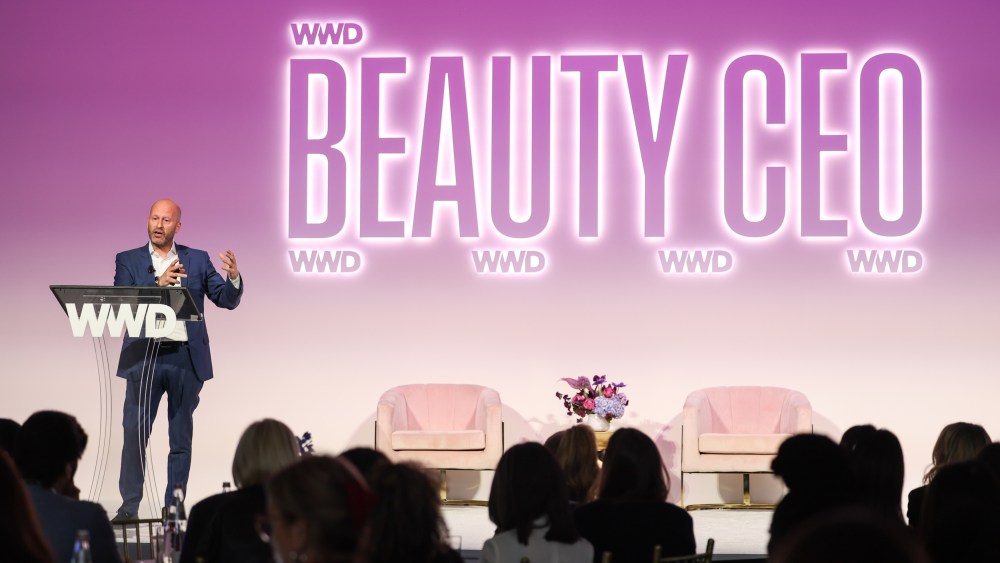
In an era where personalization and community engagement are at the forefront of consumer preferences, Jamie Elden, the Chief Revenue Officer of Listrak, recently shared insights from the Listrak 2025 Beauty and Fashion Benchmark report during the Beauty CEO Summit. His emphasis on tailored brand communications highlights a significant shift in how businesses approach customer acquisition. Gone are the days when brands relied solely on generic email blasts; the focus is now on understanding individual consumer needs, which can enhance brand connectivity and foster loyalty.
Traditional marketing strategies often involve sending frequent emails to customers, hoping that increased frequency might lead to better engagement. However, Elden argues that this approach may not be the most effective. Instead, leveraging personalized marketing tools can lead to a more meaningful connection with consumers. Listrak employs artificial intelligence technology to track consumer behavior, utilizing insights to tailor SMS and email communications that reflect individual preferences. This method not only addresses consumer needs but also recognizes the growing importance of a personalized shopping experience.
The rise of SMS as a preferred communication channel cannot be overstated. According to Elden, SMS has seen an impressive 70 percent revenue growth year-over-year, while brands are increasingly adopting RCS—an enhanced SMS format that allows for richer interactions like click-to-buy options. The shifting landscape from a predominantly email-based communication approach to a more SMS-centric model is largely driven by the preferences of younger consumers, particularly Gen Z and Millennials. These cohorts have become pivotal in shaping retail strategies, as they seek instant and engaging communication with brands.
Recent findings from Listrak’s report reveal a robust recovery in makeup sales following the COVID-19 pandemic, further underscoring consumer enthusiasm for beauty products. Skin care continues to take the lead, with Gen Z accounting for a significant portion of new sales. Notably, the emerging Gen Alpha demographic is becoming influential, spending an average of $140 per month. Elden illustrated this trend with a personal anecdote about his son’s fascination with luxury fragrances, drawing attention to how social media platforms, particularly TikTok, are driving younger generations towards high-end brands.
The impact of platforms like TikTok Live on retail is another critical theme highlighted by Elden. Characterizing it as the “QVC for teens,” he notes that consumers are eagerly tuning in to livestream shopping events. Listrak’s integration with TikTok Shop is indicative of how brands are leveraging social media to generate significant revenue. This trend reveals a profound shift in shopping behavior, with live content creating a dynamic and interactive experience for consumers, making them feel more connected to the brands they love.
Lastly, as consumers become more discerning in their shopping habits, there’s an increasing demand for fresh and engaging content. The shift in attention from simply purchasing products to wanting to understand brands on a deeper level is profound. Elden underscores the need for educational content that informs consumers about product benefits, brand values, and sustainability practices. It’s no longer sufficient for brands to focus solely on sales; they must also articulate their mission, ethical considerations, and community engagement to resonate with today’s conscientious shoppers. In this evolving landscape, the essence of successful branding lies in creating authentic connections and fostering meaningful dialogues with consumers.


