

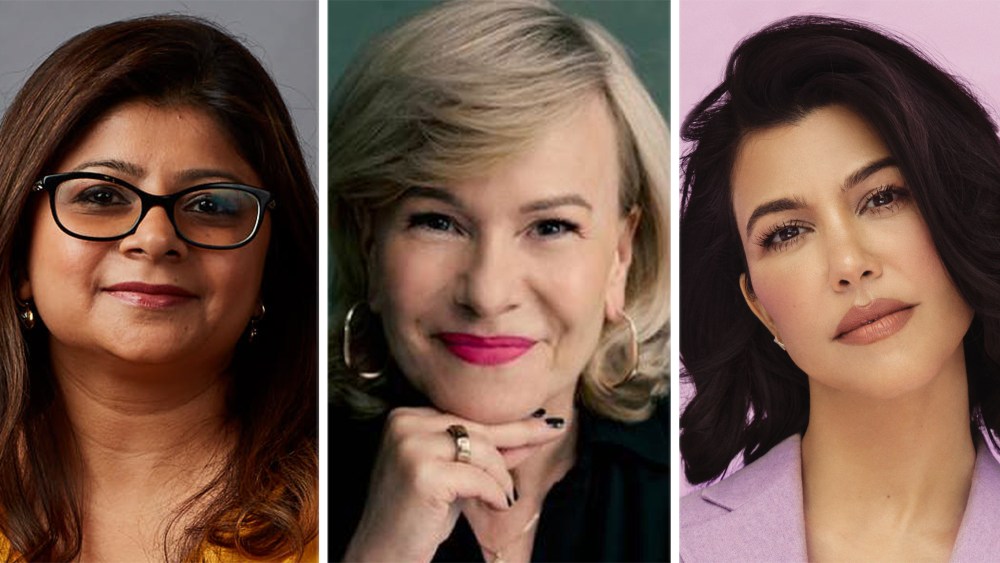
In today’s rapidly evolving landscape, the beauty industry stands at a crucial pivot point, where innovative thinkers and visionaries are reshaping its future. The upcoming beauty event, The Catalysts, will spotlight these influential figures—including experts from diverse fields like science, marketing, and culture. Their collective insights promise to reveal not only how they respond to immediate challenges but also how they cultivate long-term visions that blend creativity with pragmatism. As they share their unique perspectives, we begin to glimpse the potential future of beauty—a tapestry woven from tradition, technology, and the evolving definitions of self-expression.
Among the voices in this conversation is Barbara Lavernos of L’Oréal, who emphasizes the need to not merely extend life but to enhance our “health span.” Lavernos suggests that future beauty innovations will merge enduring aspirations with cutting-edge science, unlocking deeper understandings of skin biology and the aging process. She advocates for viewing skin not just as a surface but as a storyteller of personal history, leading to a societal transformation that liberates beauty from its age constraints. In essence, beauty could evolve into an expression that is not bound by youth or time.
Chris Sanderson of The Future Laboratory highlights two promising areas of innovation: Cultural Remix and Dynamic Product Innovation. He points out how beauty is being redefined through local rituals and heritage, creating a rich tapestry of connections that celebrates individuality. Simultaneously, brands are beginning to craft multisensory experiences that resonate emotionally, setting the stage for fragrances that impact not just our aesthetic but our overall well-being. As innovation in beauty continues to diversify, the future looks promising for brands willing to harness this cultural and emotional intelligence.
Building on this emotional connection, Kelly Dill from Imaginary argues that future beauty brands will need to deliver results while simultaneously providing indulgent and luxurious experiences. This blending of efficacy with emotional resonance is what consumers increasingly seek. Nicola Formichetti from MAC adds to this sentiment by affirming that beauty’s next innovation lies in the balance of high-tech and high-touch experiences. In a world dominated by filters and digital facades, there’s a growing hunger for authenticity and individuality—showcasing that technology should amplify, rather than mask, our inherent beauty.
However, challenges persist, as pointed out by Joyce DeLemos of Dieux, who notes a stagnation in innovation within the American beauty industry. She urges brands to focus on ingredient and formula innovations that genuinely address skin concerns and rebuild trust with consumers. In her view, emerging technologies in biotech and the study of the skin microbiome hold great promise for not just performance but sustainability, encouraging brands to venture into unexplored territories that could elevate the efficacy of their products and foster greater loyalty.
As this discussion unfolds, it becomes evident that the future of beauty innovation lies not just in new ingredients or digital tools but in cultural fluency and human connection. Parham Aarabi posits that true beauty innovation will emerge from understanding and translating the human experience authentically, especially as AI tools evolve. In contrast, Jessica Stacey from Sephora emphasizes the irreplaceable value of in-person interactions, suggesting that genuine community experiences play a pivotal role in how consumers encounter beauty in real life. This sentiment illustrates that beauty’s evolution will be profoundly shaped by the ways in which we connect, both digitally and face-to-face, to celebrate authentic expressions of self.
In conclusion, as we navigate through these transformative ideas from industry leaders, it’s clear that beauty is on the brink of a new era—one characterized by emotional intelligence, inclusivity, and a commitment to well-being. The successful brands of the future will likely be those that blend innovation with empathy, taking bold steps to reimagine beauty in meaningful ways. Ultimately, as these voices come together, they not only illuminate the potential for beauty but also redefine the values that will steer the industry towards a more intentional and holistic future.