








Indie Beauty’s Big Reset: Navigating a Market in Flux
Independent beauty brands are currently facing a pivotal moment, referred to as "indie beauty’s big reset." Six months into President Trump’s unpredictable tariff policies and amidst rising costs across numerous sectors, these brands find themselves grappling with serious challenges. Manufacturing and shipping expenses have surged, while the direct-to-consumer sales boom that characterized the late 2010s is slowing down. Moreover, the extraordinary demand for skincare products early in the pandemic has given way to more cautious consumer behavior, marked by job insecurities and tightening disposable incomes.
The current environment appears more daunting than the onset of the COVID-19 pandemic, which initially brought ingredient shortages and retail struggles. Liah Yoo, founder of KraveBeauty, reflects on how, during the pandemic, the anxiety around securing inventory was somewhat mitigated by strong consumer demand for skincare and beauty products. Fast forward to 2025, however, and the landscape has transformed. Consumers are more cautious, favoring established brands that offer affordability amid rising prices. Despite indie beauty brands recording a remarkable 22.6% growth in sales recently—significantly outpacing larger conglomerates—these companies still experience pressure from shifting market dynamics and rising operational costs.
The effects of the evolving trade environment are becoming clearer as experts predict further closures among indie brands in the near future. Several notable companies, including Ami Colé and Gwyneth Paltrow’s Good.clean.goop, have recently shut down, citing operational hardships and inventory challenges. Jose Penalba, CEO of beauty distributor Amerikas, emphasizes the current struggle for growth among many brands. Accessing funding to offset increasing costs has also become more challenging, with investors now demanding efficiency and sustainable growth rather than simply chasing top-line revenue numbers. Brands that successfully navigate this turbulent landscape will likely emerge stronger, reinforcing confidence among investors and securing their future.
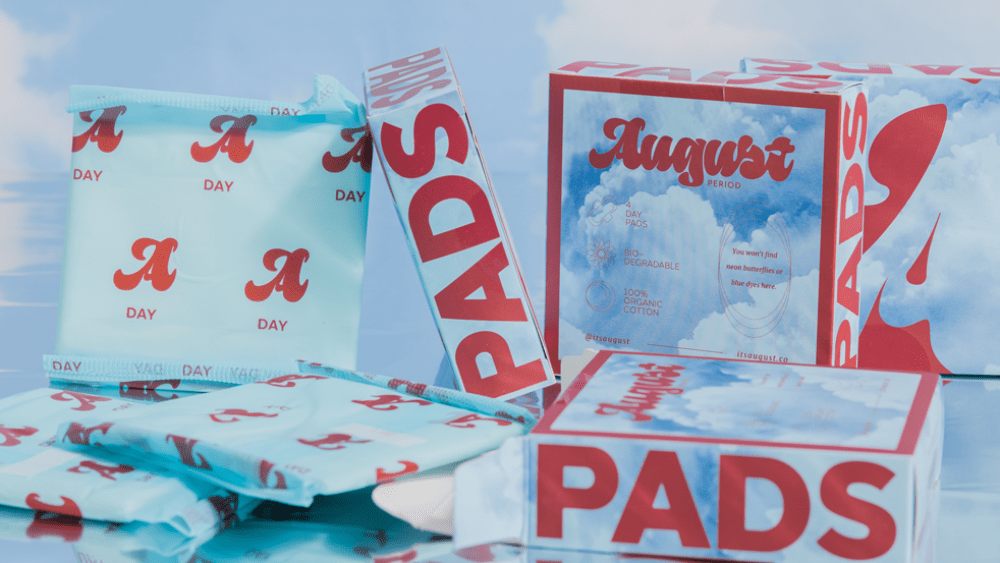
Resourcefulness is essential in this new terrain. Brands are finding creative solutions to adapt. For example, Nick Jain, co-founder of period care brand August, highlights the challenges posed by tariffs and emphasizes the importance of establishing alternative manufacturing routes. Their strategy includes diversifying production locations to mitigate risks associated with fluctuating tariffs. Similarly, Michelle Ranavat of the Ayurvedic brand Ranavat discusses her commitment to sourcing from India despite the high import tariffs, as her brand identity relies on these unique ingredients. The collaborative spirit between brands and their partners has become crucial, fostering open discussions about cost-saving measures while maintaining quality.
The current climate has necessitated a shift in strategy for many indie brands, with a focus on streamlining operations. Firms like Dieux and Live Tinted are prioritizing existing products rather than expanding into new categories, adopting a more cautious mindset. Adjustments to pricing strategies are an essential part of this recalibration, with brands incrementally raising prices while carefully analyzing the long-term impacts on their bottom line. Despite rising costs, many brands prefer to absorb these expenses rather than passing them on to consumers, emphasizing their commitment to accessibility.
As the landscape continues to evolve, brands and investors alike may find new opportunities within this uncertainty. The indie beauty sector has historically captured market share from larger legacy brands, and today’s challenges may offer unique investment possibilities. Experts like Gersten point out that periods of instability can serve as prime opportunities for capital infusion into promising brands, creating avenues for growth where traditional models may falter. Ultimately, as indie beauty brands reinterpret their operations and cultivate resilience, they could come out on the other side stronger, more innovative, and better aligned with the evolving needs of consumers.


