








In today’s world, longevity is increasingly linked with beauty, becoming a buzzword prominently featured in various sectors, from skincare to haircare and oral health. At the forefront of this movement is Fountain Life, a medical center founded by a group of visionaries determined to revolutionize healthcare. For over five years, Fountain Life has concentrated not just on how long people live but on enhancing the quality of life throughout that span. According to Dr. William Kapp, the co-founder and CEO, the center aims to maximize one’s health, ensuring that individuals enjoy optimal wellness until their final days, rather than suffering through a prolonged decline.
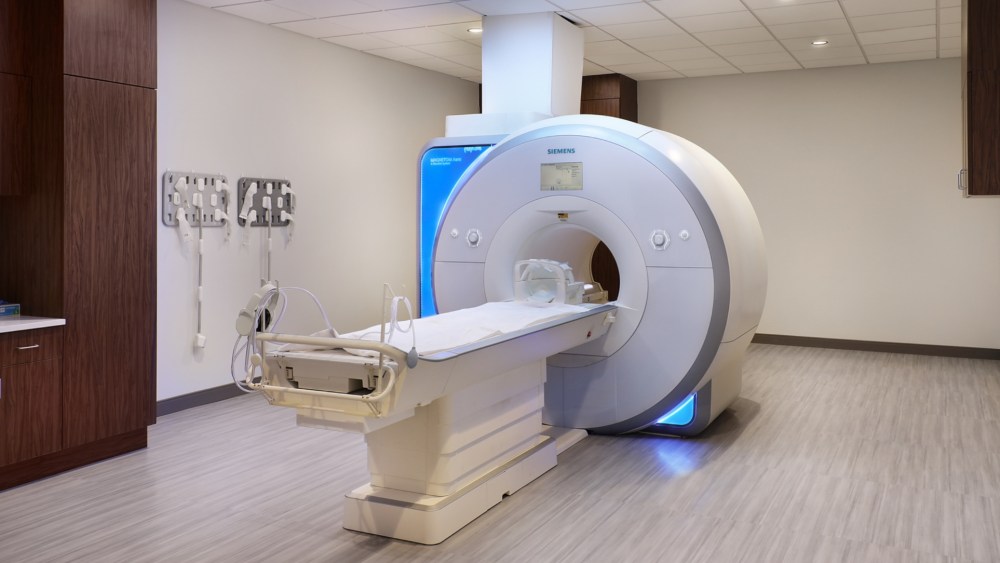
Fountain Life employs cutting-edge technology to perform comprehensive health assessments, including full-body and brain MRIs along with advanced cardiac scans. Their goal is to facilitate early detection of health issues, which is pivotal given that a significant portion of what modern medicine addresses revolves around chronic diseases that often remain asymptomatic until later stages. To enhance these detection efforts, they have introduced an innovative AI platform named Zori. This dual-focused model not only aids patients in interpreting their medical records in an accessible manner but also empowers clinicians to better analyze health data over extended periods.
Zori serves as a bridge between patients and their care teams, enabling individuals to engage more meaningfully in discussions about their health. Chris Hemp, Fountain Life’s Chief Technology Officer, explained how this tool allows patients to comprehend their health information at a level appropriate for high school students, fostering informed dialogues with their care providers. For clinicians, Zori offers the ability to analyze vast amounts of data from thousands of members, allowing them to identify health patterns over time and uncover critical insights that could otherwise be overlooked.
The societal implications of Zori and similar technologies are profound. Dr. Kapp highlighted that modern medicine frequently treats chronic diseases detected only in their later stages, emphasizing the necessity for advanced tools capable of identifying health issues while patients still feel well. Zori alleviates the burden on clinicians who often juggle communications with multiple diagnostic vendors by streamlining the collection and interpretation of health data, thus transforming how they provide care and conduct analyses.
The ultimate goal of Zori is to democratize health data, giving patients equal access to the information regarding their bodies. Dr. Kapp emphasized the importance of this empowerment, as traditional systems tend to keep patients in the dark about their health results. By using AI to interpret health data, patients gain more agency and understanding of their own well-being. Looking ahead, Hemp shared that Zori aims to evolve into an intelligent assistant capable of engaging with patients, answering questions about nutrition, exercise, sleep, and more, thereby enriching their health journey.
While Dr. Kapp and Hemp assured that AI is not intended to replace healthcare professionals, they underscored the urgency of adopting these advanced tools. As AI continues to permeate the beauty and wellness industries, those in the medical field who resist leveraging such technology risk falling behind. Just as AI has transformed areas like fitness and fragrance formulation, it stands to revolutionize how healthcare is delivered, making it imperative for clinicians to adapt to remain relevant and effective in supporting their patients’ health.


