

At the recent Luxe Pack Monaco event, discussions centered heavily around the impact of U.S. tariffs, particularly as many European packaging suppliers expressed concerns about how these duties have adversely affected their businesses. One notable mention was Bormioli Luigi, a prominent luxury glassmaker, which reported significant setbacks due to U.S. import taxes, especially since many of its clients sell products in the U.S. market. Cristina Scotti, who handles events and communication for the company, highlighted how the increasing tariffs have led to escalated prices for products like perfume, ultimately resulting in reduced sales as customers are increasingly cautious and looking to minimize their inventory.
The ripple effects of these tariffs extend to other players within the industry, such as the Spanish packaging enterprise Envases. This company has felt the sting of the 50 percent tariff imposed on aluminum imports to the U.S. Managing Director Endika Albinarrate described how the high transportation costs, coupled with tariffs, have constrained their ability to export efficiently, particularly when dealing with high-quality, empty bottles. Nevertheless, he remains hopeful, noting that their U.S. customers continue to purchase, hinting at a possible growth trajectory despite the challenging landscape.
Another company impacted by tariffs is Virospack, a luxury cosmetics dropper manufacturer. The 15 percent tariffs on European imports prompted marketing director Verena Fiori to consider renegotiating pricing with clients to adapt to the new economic conditions. Despite the difficulties, Virospack has not increased its prices as it contemplates new markets, including Asia, as potential avenues for expansion. The company’s focus on innovation has led to the introduction of advanced dropper technology, positioning them to satisfy the growing consumer demand for targeted skincare solutions.
Interestingly, while many European packaging firms face struggles, not all have been adversely affected by the tariff situation. Dominic Bakic, CEO of Bakic, reported a different story, noting that American clients have started leaning towards European packaging suppliers due to the rising costs associated with supplies from tariffs. Bakic’s agility in adapting to the changing market dynamics has facilitated growth, enabling the company to maintain a robust pipeline of new business. The CEO emphasized their flexible supply chain approach, which includes local sourcing and avoiding tariffs through strategic collaborations, helping them stay competitive.
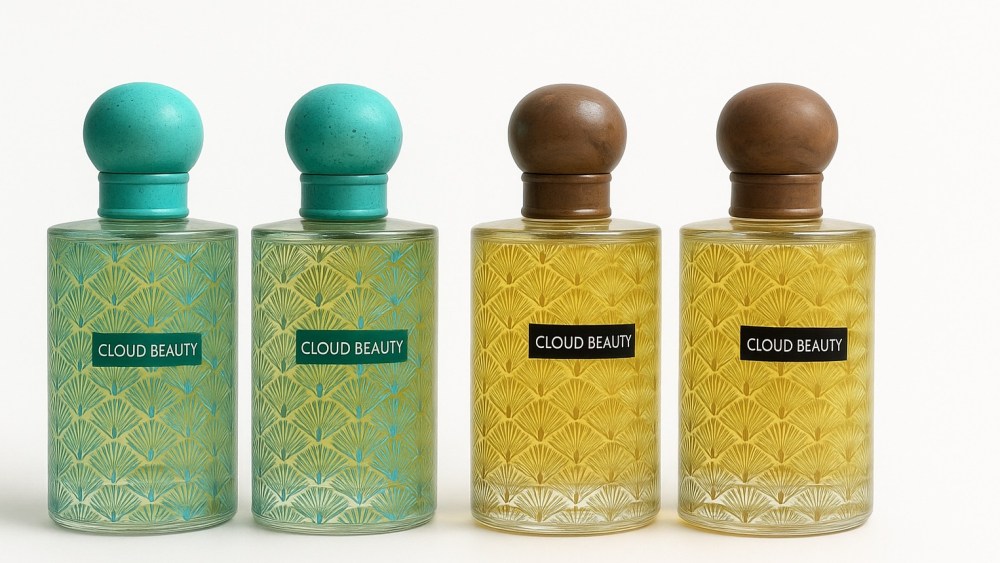
Sustainability is another significant theme that emerged at Luxe Pack Monaco, with a focus on innovative packaging materials that cater to environmental consciousness. For instance, Gmund introduced a groundbreaking technology to convert fabric into high-quality paper, made solely from cotton byproducts. This initiative illustrates the industry’s shift towards sustainable practices and caters to consumers’ desire for natural, eco-friendly products. Similarly, Cloud Beauty unveiled a premium packaging material derived primarily from upcycled Taiwan reservoir mud, aiming to provide brands with environmentally sound alternatives without requiring additional investment in new molds.
In summary, the packaging industry is currently navigating a challenging landscape shaped by international tariffs, evolving consumer demands for sustainability, and the quest for innovative solutions. While some companies are struggling to maintain their market presence due to increased costs, others are adapting swiftly, reaping benefits from new opportunities that the shifting dynamics have presented. The focus on eco-conscious materials, combined with a spirit of resilience among manufacturers, showcases the industry’s commitment to not only survive but thrive amidst adversity, fostering a promising outlook for the future.