

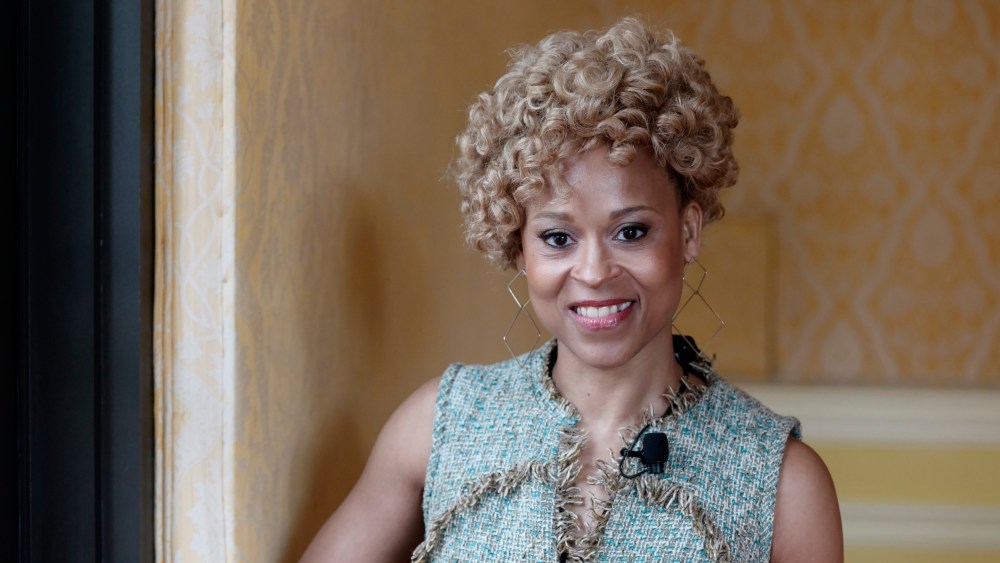
Esi Eggleston Bracey is stepping down from her role as Unilever’s chief growth and marketing officer as part of a significant restructuring of the consumer goods powerhouse. This transition is indicative of Unilever’s efforts to adapt to the rapidly evolving marketplace, aiming to refine its marketing strategies and strengthen connections with consumers. The company, which boasts well-known brands like Dove, Vaseline, and Liquid I.V., announced that Leandro Barreto, the current chief marketing officer for the beauty and well-being segment, will broaden his responsibilities to oversee the entire Unilever marketing agenda. Barreto is set to formally assume this role on January 1, 2026, while Eggleston Bracey will conclude her tenure at the end of January following a handover period.
Underlining a proactive response to industry shifts, Unilever emphasizes that these leadership changes are part of a larger transformation aimed at enhancing brand marketing and consumer engagement. The company believes that placing greater ownership and proximity to its business units will amplify its impact, especially in this digital age. This strategic realignment signifies Unilever’s commitment to being not just responsive, but also innovative, in how it faces competitive challenges and meets the needs of modern consumers.
Eggleston Bracey has been a pivotal figure at Unilever since she joined in 2018, where she led the North American beauty and personal care sector. Her tenure is highlighted by impressive performance improvements and foundational shifts that have positioned Unilever for significant growth in the United States. CEO Fernando Fernandez commended her contributions, noting that she helped redefine the company’s approach to demand generation globally. As she exits, there is anticipation regarding Barreto’s potential impact as he expands his influence over Unilever’s consolidated marketing efforts.
Barreto, with over 20 years of marketing experience, is known for his creative flair and ability to build brands that resonate culturally. Unilever has expressed confidence that he is well-equipped to spearhead the next phase of marketing transformation, aligning business-level strategies with the company’s broader ambitions. The strategic emphasis on beauty and well-being is evident as Unilever strives to elevate these segments as critical drivers of growth amidst an expansive organizational overhaul.
Looking towards the future, Unilever has clear priorities: enhancing its focus on beauty and personal care while strengthening its investment strategies in key markets like the U.S. and India. CEO Fernandez has indicated that a significant portion of the company’s sales will increasingly come from beauty and wellness segments, with an emphasis on premium products and digital commerce. The company’s ambition is to create a robust marketing and sales framework that not only stimulates demand for its high-value brands but also assures effective execution across all retail channels.
However, as Unilever navigates this transformation, it faces challenges, including a substantial corporate restructuring that may involve layoffs across its global operations. Plans are underway to review key management roles, with intentions to cut 7,500 office-based positions and achieve considerable savings over the next few years. This restructuring is part of a broader initiative to streamline operations and focus on the company’s most lucrative brands, which generate the majority of its revenue. Amid these changes, the sector is poised for ongoing evolution, and Unilever is clearly positioned to adapt and thrive.