

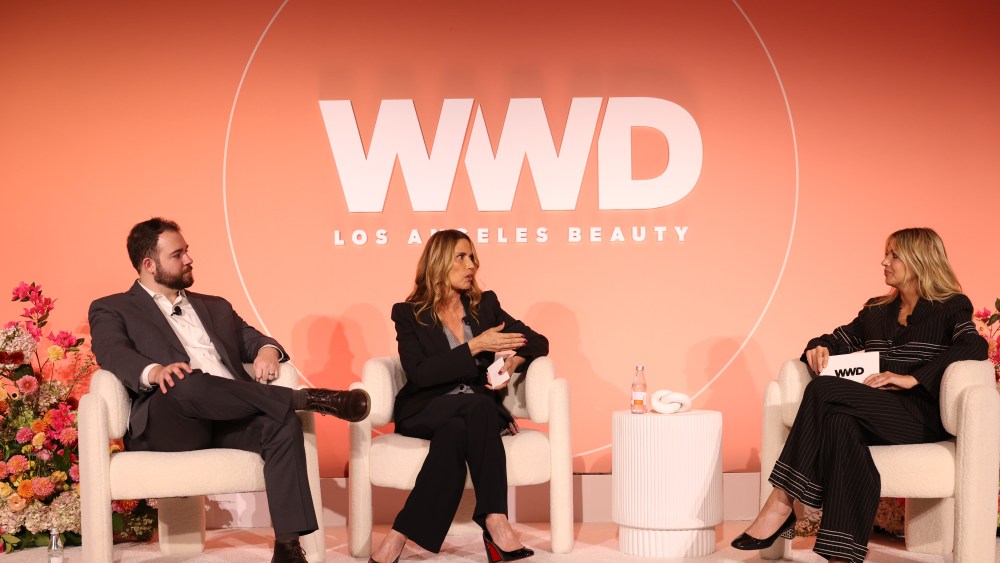
In today’s bustling beauty market, comprehending consumer behavior is more critical than ever. Recently, a conversation led by Kathryn Hopkins, the senior editor of beauty at WWD, brought together experts Sonia Summers from Beauty Barrage and Jacob St. John from Navigo. They shared valuable insights on contemporary consumer behavior gleaned from major beauty retailers and their online platforms. With over 300 beauty consultants across North America and a recent expansion to the U.K., Beauty Barrage is a dynamic retail agency. The agency emphasizes the importance of expertise in the field, advocating for comprehensive training beyond a mere day of orientation.
Sonia Summers highlighted the uniqueness of Beauty Barrage’s approach, which ensures that their consultants receive thorough education and alignment with marketing strategies. This commitment to knowledge equips their team to effectively represent brands in-store. In contrast, Navigo focuses on the digital landscape, educating consumers about their favorite beauty brands on platforms such as Amazon, Ulta, and Sephora. Jacob St. John underscored the shifting dynamics of consumer interactions, explaining that shoppers today engage with brands across various channels, often influenced by social media rather than traditional marketing efforts.
Both Summers and St. John stressed the need for beauty brands to recognize that not all shoppers are the same—knowledge that is essential for tailoring marketing approaches. Instead of a one-size-fits-all strategy, the distinctions between consumers shopping at Sephora, Ulta, or department stores must be acknowledged. This understanding enables brands to adapt their outreach effectively, enhancing customer experiences. Summers also pointed out that data collection is integral to this adaptation. By gathering real-time analytics and shopper insights at every point of contact, brands can pivot quickly to meet evolving demands.
With the evolving landscape, today’s consumers are savvier than ever. Many are seeking educated consultations, showing an increasing demand for informed support while shopping. Summers noted that as shoppers seek out specific products, they may require guidance to ensure they are making the right choices. With many products trending online, the absence of in-person guidance can lead to misguided purchases. St. John emphasized that brands need to invest in educational resources, particularly online, to convert audiences effectively and maintain brand loyalty.
Technology also plays a crucial role in shaping this evolving consumer landscape. AI is becoming a game-changer for beauty brands, with innovations like generative engine optimization (GEO) leading the way. The recent partnership between ChatGPT and Shopify, introducing an instant checkout feature, illustrates the potential for tech to streamline customer interactions and enhance the shopping experience. As this technology evolves, brands that harness its capabilities stand to gain significantly in a competitive marketplace.
Looking ahead, Summers envisions a future where in-store experiences, online engagement, and agentic commerce increasingly intertwine. As consumers become better educated about products and the beauty industry, brands must not become complacent. Meeting consumers at their level of understanding is vital. Summers emphasized that today’s consumers are often well-informed, and it is essential for brands to provide guidance that meets their expectations. In this way, the beauty industry can create more meaningful connections and foster lasting brand loyalty.