








While the direct-to-consumer (DTC) beauty sector may not be the powerhouse it once was, it continues to thrive, revealing new consumer preferences and trends. Recent data from Similarweb shows that beauty and health websites experienced a 14.6% increase in traffic in 2025, building on the previous year’s growth. What we’re seeing is a shift away from the brands that once defined DTC beauty, such as Glossier and Dollar Shave Club, with emerging brands indicating a clear pivot toward skin care and wellness categories. This evolution suggests that consumers are now looking for more specialized and effective beauty solutions rather than just the trendy products of yesteryear.
Among the standout performers is Ffern, a fragrance brand that embraces a unique approach to marketing with its seasonal, limited-batch releases. The U.K.-based company reported a staggering 378% increase in traffic, reaching approximately 409,000 unique visitors monthly in 2025, up from 86,000 the year before. Ffern’s rise exemplifies how brands that provide limited, exclusive offerings can capture consumer interest and drive significant traffic. In contrast, traditional segments like makeup and hair care have not seen comparable growth, indicating that customers may be gravitating toward more curated and meaningful beauty experiences.
Another notable player is PeptideSciences, which specializes in high-purity peptides meant primarily for research purposes. With a remarkable 361% traffic increase, the brand now attracts about 569,000 unique monthly visitors, placing it at the forefront of the health and wellness trend. This underscores a growing consumer interest in scientific, high-quality products that promise tangible benefits, thus reshaping the landscape of DTC beauty. Similarly, new supplement brands are emerging rapidly, such as Black Girl Vitamins, ColonBroom, and Happy Mammoth, showcasing diverse offerings that cater specifically to women’s health and overall wellness.
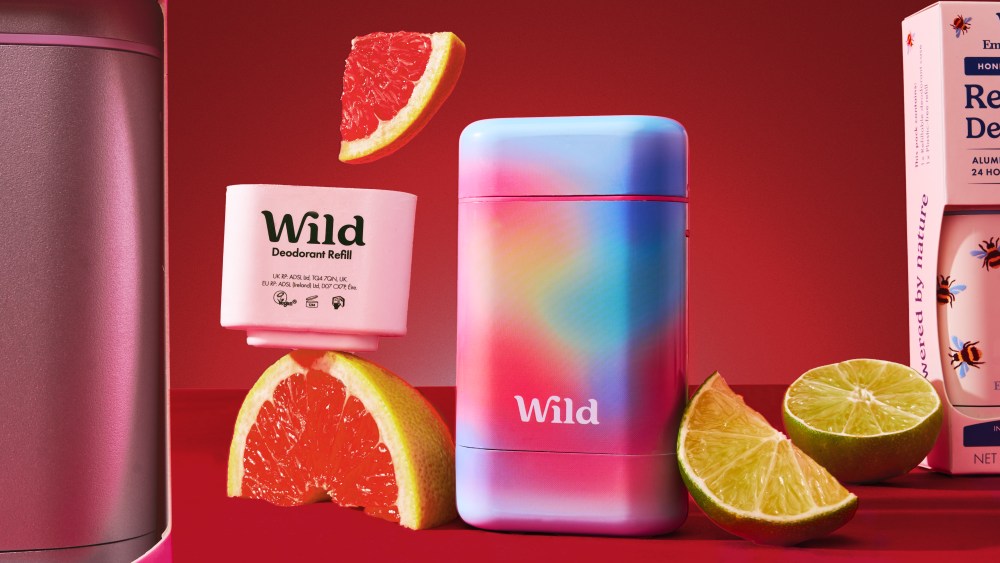
The deodorant category is also witnessing a transformative shift. Sustainable deodorant brand Wild, recently acquired by Unilever, saw a significant 217% increase in traffic, reflecting a broader trend toward sustainable beauty products. Carpe, known for its clinical-grade antiperspirants, also grew, highlighting that consumers are increasingly prioritizing efficacy along with eco-friendliness in their beauty choices. This suggests a more conscious approach to beauty and hygiene, where consumers are willing to invest in products that align with their values.
On the service side, Function Health stands out with a remarkable growth of 246% in traffic, reaching approximately 568,000 monthly visitors. This membership-based health testing platform allows users to monitor over 160 biomarkers through lab tests for an annual fee of $365. Its advisory board includes well-known wellness figures like podcaster Andrew Huberman and physician Mark Hyman, lending credibility and attracting a health-conscious audience. This indicates that consumers are not just looking for products but are also keen on personalized health insights, further emphasizing the convergence of beauty and wellness.
In sum, the DTC beauty landscape is undergoing a pivotal transformation, with a clear shift away from traditional beauty categories toward skin care, wellness, and personalized health solutions. Brands like Ffern, PeptideSciences, and Wild illustrate how unique positioning and consumer-focused offerings can drive remarkable growth in this evolving market. As consumer interests continue to shift, the beauty industry will likely keep adapting to fulfill the changing demands, making it an exciting space to watch in the coming years. This interplay of beauty, health, and sustainability is not just changing business models but also consumer habits, setting the stage for the future of beauty.


