

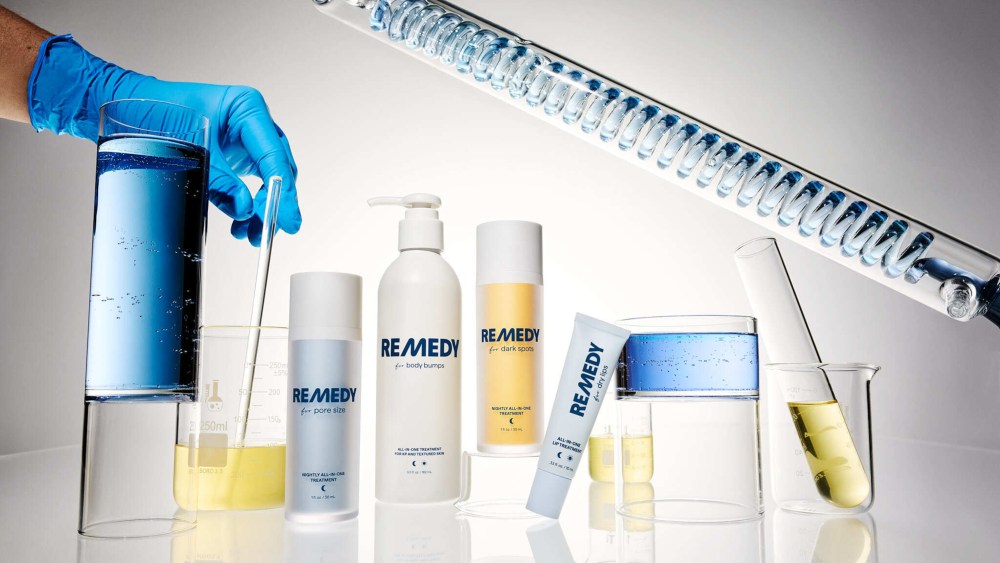
Dr. Muneeb Shah is embarking on an exciting new chapter for his skincare brand, Remedy, as it prepares to hit retail shelves for the first time. Slated to launch with Target Corp. on December 28, 2024, Remedy will introduce its products across nearly 2,000 locations, primarily on endcaps, where shoppers can easily spot them. This expansion comes at a pivotal moment—Remedy has experienced staggering growth, with a 207 percent increase in sales from its first to second year. Although Shah has not outlined specific revenue goals for the Target launch, industry analysts predict the brand could generate between $30 million and $40 million in its inaugural year at the retailer, underscoring significant expectations for this pivotal entry.
High customer loyalty and strong product performance are driving Remedy’s success. Shah has noted that the brand enjoys high repurchase rates for its bestselling products, steering its development based on insightful consumer feedback. By paying close attention to what customers love, Remedy can refine and optimize its offerings. Shah passionately believes that understanding customer preferences is the key to the brand’s resilience and appeal. This customer-centric approach has not only defined their existing products but will also inform future innovations, ensuring that they meet real needs in a crowded market.
Currently, Remedy’s products are available through its website, Amazon, and TikTok Shop, indicating a multi-channel marketing strategy that caters to a variety of shopping preferences. “We’re really firing on all channels,” Shah remarked, noting that their direct-to-consumer sales are particularly strong, with Amazon and TikTok Shop also gaining momentum. Despite excelling online, Shah recognized the necessity of establishing a presence in brick-and-mortar stores, especially to engage potential customers who may be less adept with digital platforms. The decision to partner with Target not only bolsters their retail footprint but comes as a strategic response to evolving consumer shopping habits.
One of the main motivations for collaborating with Target stems from the community feedback that pointed to the retailer as a top choice for beauty products. Shah acknowledged that being prominently featured at Target positions Remedy alongside other reputable dermatological brands. This visibility could catalyze a “halo effect” across their online channels as consumers might see the products in-store, gain interest via social media, and subsequently make purchases on platforms like Amazon. This interconnected strategy reflects a deeper commitment to reaching customers wherever they choose to shop.
Target also expressed enthusiasm about the collaboration. Amanda Nusz, senior vice president of merchandising for essentials and beauty, emphasized the retailer’s dedication to providing high-performance, accessible skincare solutions. By adding Remedy to its lineup, Target is reinforcing its mission to make expert-level skincare approachable for all consumers, aligning closely with the brand’s vision of customer accessibility. This partnership promises to create a win-win situation, benefiting both Remedy and Target’s audience, which is continually seeking innovative skincare solutions.
While Remedy’s growth narrative might suggest a focus on younger consumers via platforms like TikTok, Shah highlights that the brand’s core demographic is around 35 years old. This demographic is often more health-conscious and discerning about their skincare needs, resulting in a preference for targeted solutions. Shah explains that consumers in this age group are typically more familiar with their skin conditions and are willing to invest in products that deliver real value. Recent product launches, such as a retinol hand cream, have demonstrated this trend, further reinforcing Shah’s commitment to attentive customer engagement and agile development processes. By tailoring products to specific skincare issues, Remedy cultivates loyalty among those who value efficacy and quality—the hallmark of its brand ethos.