








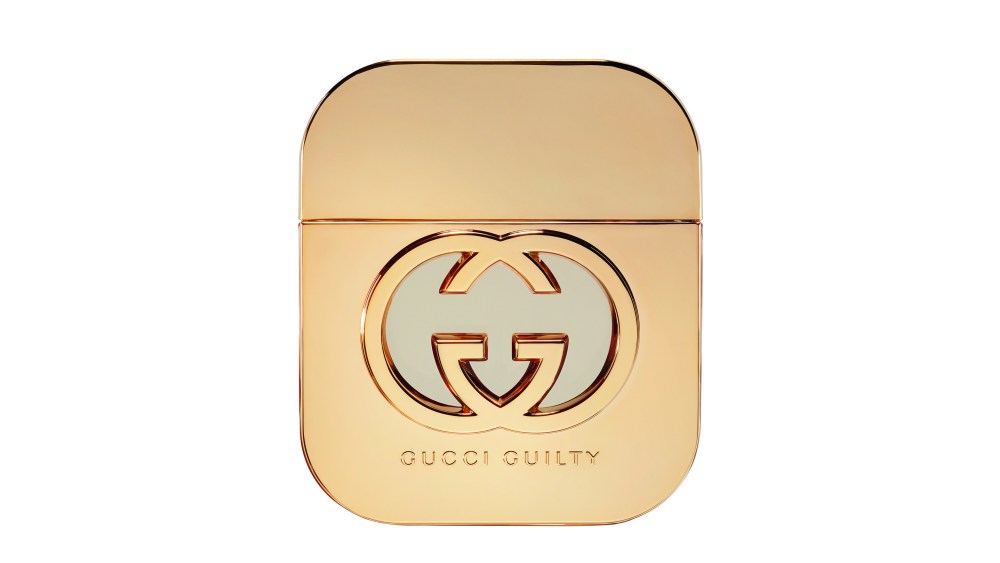
In a notable development in the luxury beauty market, Coty Inc.’s subsidiary, HFC Prestige International Operations Switzerland Sàrl, has initiated legal proceedings against Gucci and its parent company Kering in a U.K. commercial court. The lawsuit, filed on October 20, involves the contentious Gucci beauty and fragrance license. While specific details surrounding the allegations remain undisclosed, the case falls under the umbrella of general commercial contracts, suggesting that it centers on complex agreements and business expectations between the parties involved.
The legal action comes on the heels of a recent announcement indicating a strategic partnership between Kering and L’Oréal. As of October 19, it was reported that this new alliance would grant L’Oréal exclusive rights to a 50-year license geared towards the development and distribution of Gucci’s beauty products and fragrances. This agreement is scheduled to take effect once Coty’s current license expires in 2028, although Kering has assured that existing commitments under the current contract will be honored. This shift in licensing rights has added a layer of tension between the involved companies.
During an analysts’ call following the release of Coty’s fiscal results for the first quarter of 2025-26, CEO Sue Nabi addressed questions regarding the lawsuit. She acknowledged the legal dispute without delving into specifics, emphasizing Coty’s determination to uphold its contractual rights throughout the duration of the agreement. Nabi’s assertion leaves no doubt about Coty’s commitment to fighting for the Gucci license, reiterating a stance that their current operations remain in line with existing agreements.
In a response to the emerging lawsuit, Kering vigorously denied Coty’s allegations, describing them as unfounded. The company’s representatives have expressed their intent to defend their position robustly in court, a move indicating their confidence in the legitimacy of their strategy regarding the Gucci brand. Kering’s categorical rejection of Coty’s claims not only underscores the gravity of the situation but also illustrates the complexities of managing high-stakes business relationships in the luxury sector.
Market analysts have been closely monitoring the implications of potential early termination of the Gucci license. In her communication with analysts, Nabi asserted that Coty remains committed to fulfilling its existing contractual obligations while remaining open to evaluating proposals that could be advantageous for the company. She emphasized that any discussion regarding the future of the license would hinge on value creation, pointing to a nuanced approach to business negotiations amid rising tensions.
Coty’s financial reliance on the Gucci brand cannot be overlooked, as reports indicate that Gucci contributes approximately 8% to Coty’s overall sales and 11% of its profits. Holding the Gucci license since 2016, Coty has invested significantly in the brand’s growth within the beauty sector. Meanwhile, L’Oréal’s CEO, Nicolas Hieronimus, clarified that discussions surrounding the early license transfer between Kering and L’Oréal are outside of L’Oréal’s purview, indicating a level of caution in navigating the complexities of business interactions among these leading firms. As the situation unfolds, stakeholders across the luxury beauty landscape will undoubtedly be watching closely for its outcomes.


