

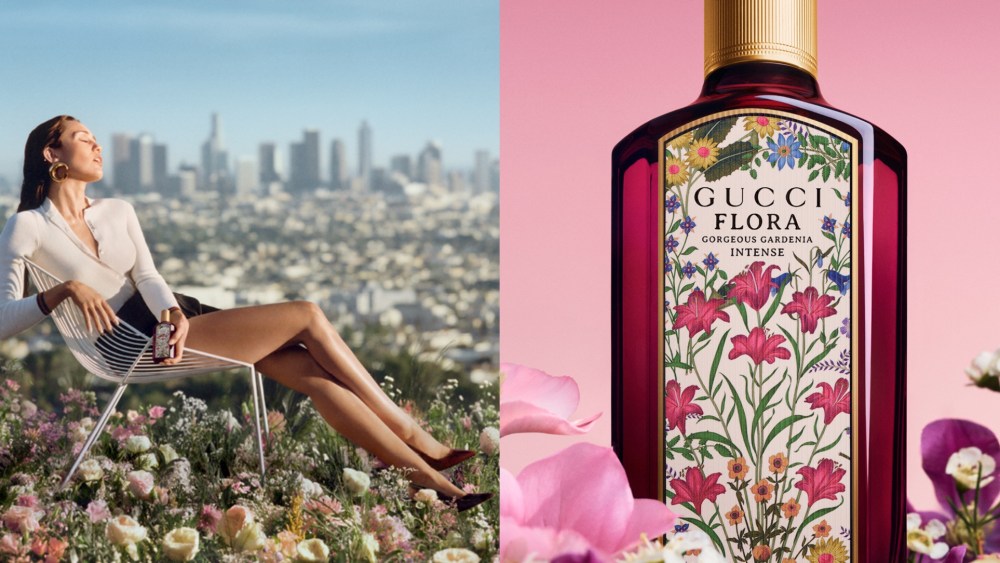
Coty Inc., a prominent player in the beauty industry, recently announced a dip in sales during the first quarter of fiscal 2026, which coincided with the loss of its lucrative Gucci license. The company’s net revenue fell to $1.58 billion, reflecting a 6% decline from the previous year, though this figure aligned closely with Wall Street expectations. On a like-for-like basis, revenues were even more disappointing, dropping 8%. Notably, the prestige revenue, which is a significant segment for Coty, saw a drop of 4%, just over the $1 billion mark, while the consumer beauty segment hit $507.7 million, recording a 9% decrease. The adjusted earnings per share also lagged behind analysts’ predictions, reaching only 12 cents instead of the expected 15 cents.
Despite these challenges, Coty is aiming for a turnaround. CEO Sue Nabi expressed optimism for the upcoming quarters, stating that they expect Q2 sales to trend toward the higher end of expectations, projecting a rebound in both sales and profit growth in the latter half of the fiscal year. However, this outlook comes just as Coty prepares to part ways with the Gucci license, which will officially end in 2028. This license is particularly crucial, as it generates about 8% of Coty’s sales and nearly 11% of its profits. The transition of Gucci’s beauty line to L’Oréal, as part of a larger deal with Kering, was revealed last month, creating added tension as Coty navigates its future strategies.
In the midst of this upheaval, Coty is determined to maximize its holdings in Gucci Beauty for the duration of the contract, emphasizing efforts to optimize the brand under the current agreement. Aside from retaining certain key licenses, the company is also focusing on forging new partnerships. Nabi highlighted the potential for growth, driven by upcoming product launches across various brands. Coty plans to introduce fragrances under labels like Swarovski, Etro, and Marni in the next two years, and aims to release innovative prestige cosmetics, including a new makeup line under Marc Jacobs Beauty slated for launch in 2026.
Coty is not only investing in new launches but is also conducting a strategic review of its mass color cosmetics division and operations in Brazil. This review encompasses its $1.2 billion revenue stream from mass color cosmetics brands such as CoverGirl, Rimmel, Sally Hansen, and Max Factor, as well as a $400 million revenue operation in Brazil. Managed by Citi, the review will explore various strategic alternatives including potential partnerships and divestitures, with an eye on revitalizing these segments.
While the focus remains on enhancing its consumer beauty division, speculation persists regarding Coty’s luxury business, which includes fragrance licenses for well-known brands like Burberry, Jil Sander, and Hugo Boss. However, Coty has publicly denounced rumors about selling its prestige segment, clarifying that the strategic review is limited to the consumer beauty division. Recent successes, such as the Burberry Goddess fragrance launched in 2023, highlight Coty’s potential in the luxury space, as it achieved significant sales figures, while Hugo Boss emerged as the second-largest men’s fragrance franchise in Europe during the latter half of the previous year.
As it stands, Coty’s market capitalization sits at approximately $3.33 billion. This figure reflects the company’s current standing amid a challenging landscape, characterized by structural shifts and competitive pressures in the beauty industry. The coming months will be critical for Coty, as it works to implement its strategies while adapting to the changing market dynamics, particularly following the loss of the Gucci license. With plans for innovation and new partnerships on the horizon, Coty is hopeful about regaining momentum despite recent setbacks.