

Coty Inc., a name synonymous with beauty and luxury brands, may be on the verge of a significant transformation as whispers of a potential sale circulate in industry circles. Insiders indicate that the talks are in their infancy, but the scope is ambitious. Coty, known for its roster of high-end and mass-market brands, is reportedly considering divesting its Luxury division, which includes iconic names like Gucci, Burberry, Jil Sander, and Hugo Boss, as well as its Consumer division featuring more accessible brands such as Covergirl and Max Factor.
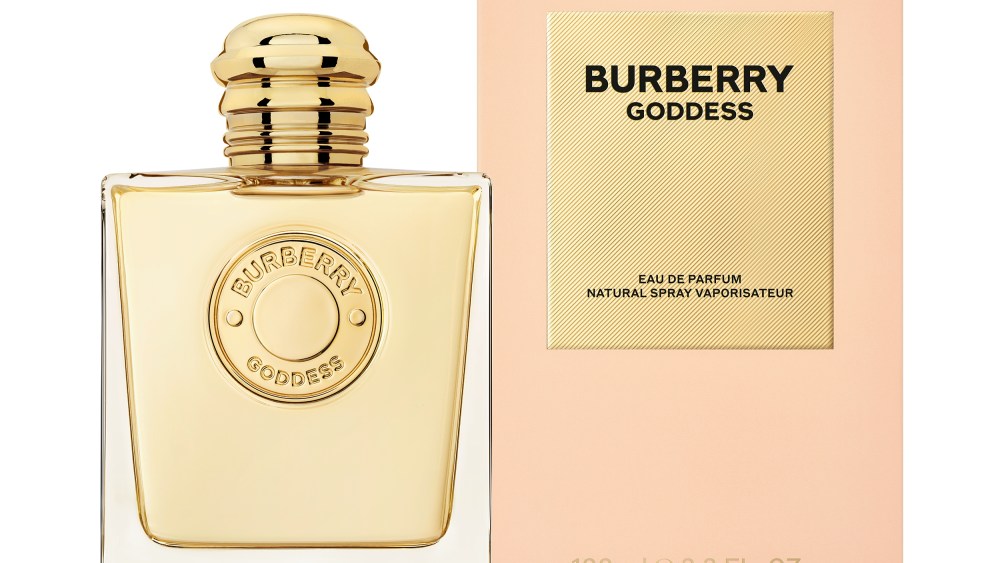
Responses from Coty have been limited, with a spokeswoman stating that the company does not engage with rumors and speculation. However, discussions surrounding this potential bifurcation are gaining traction, especially regarding the Luxury division’s fragrance brands. Sources mention that Interparfums, a well-known fragrance company, is looking into acquiring some aspects of Coty’s fragrance portfolio, specifically Burberry and Hugo Boss. These brands have shown remarkable performances, indicated by Burberry Goddess’s record-breaking launch in 2023 and Hugo Boss’s rise to prominence in the European men’s fragrance market.
The timing of the rumored sales becomes crucial as Coty’s existing license with Gucci is expected to expire in 2028. There is substantial speculation that parent company Kering might take over the Gucci beauty and fragrance operations once the license lapses, aligning with their strategy to build a comprehensive in-house beauty division. Meanwhile, Coty’s CEO Sue Nabi has hinted that discussions about renewing licenses would be postponed for at least five years, increasing the urgency for Coty to decide on its future direction.
Despite the attractiveness of Coty’s fragrance business, challenges loom large, particularly concerning the sale of its Consumer division, which has witnessed a decline in net revenue, mirroring a broader pattern within the beauty industry. Efforts to find a buyer for this division are complicated by current geopolitical factors affecting trade and a surging competition from direct-to-consumer brands. Although some insiders claim that private equity firms might still have an interest, the Consumer division faces an uphill battle in this shifting landscape.
All signs suggest that a complete sale of Coty’s business to a single buyer is improbable due to antitrust concerns. Some industry experts posit that if Coty secures a buyer for its mass division, the fragrance segment could quickly follow suit, raising questions about the future landscape of Coty’s operations. On another front, Coty has plans to offload its remaining stake in Wella, another beauty giant, a move initially intended to be completed by 2025 that has faced setbacks.
This potential sale comes amidst growing concerns about Coty’s leadership and overall performance. Since Sue Nabi took the helm in 2020, the company’s stock value has plummeted, dropping over 30% year-to-date. This decline starkly contrasts the performance of rivals like L’Oréal and Estée Lauder. Moreover, Coty’s past ventures, including a hefty investment in Kim Kardashian’s beauty brand and the acquisition of Kylie Cosmetics, have not yielded the expected returns. As analysts scrutinize Coty’s recent financial performance, the looming uncertainties surrounding its leadership and market strategy make the company’s future increasingly unpredictable.