








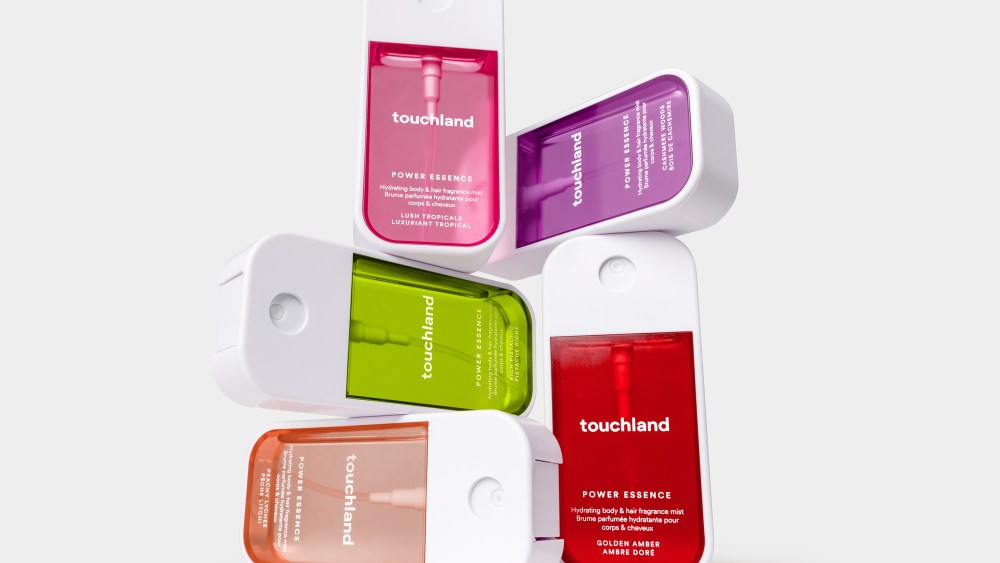
Market Dynamics in Beauty and Personal Care: A New Acquisition
While the beauty and personal care mergers and acquisitions (M&A) market may appear to be experiencing a slowdown, noteworthy deals are still taking place. One such significant transaction occurred recently when Church & Dwight, a consumer goods powerhouse, announced its plan to acquire the innovative hand sanitizer brand Touchland for a potential total value of up to $880 million. This acquisition, comprising an initial payment of $700 million composed of cash and Church & Dwight stock, also includes an additional $180 million dependent on Touchland achieving its projected net sales by 2025. Such strategic moves highlight ongoing activity in a sector that continues to evolve, even amidst broader market uncertainties.
Touchland, founded in Miami in 2018, has shown impressive growth since its inception. The brand reported net sales of approximately $130 million for the 12 months ending March 31, and anticipates double-digit growth in both 2025 and 2026. This positive trajectory is reinforced by an EBITDA of about $55 million. The brand’s products are already successful in the U.S. and Canada, and it has made inroads into the Middle Eastern market through a strategic partnership with Sephora. Touchland’s achievements in such a competitive landscape reflect its unique positioning and appeal among consumers, particularly the younger demographic, which values both efficacy and design in personal care products.
Rick Dierker, the CEO of Church & Dwight, expressed enthusiasm about adding Touchland to their expanding portfolio of "power brands." He emphasized the importance of the brand’s loyal consumer base and its innovative approach to the hand sanitizer category. The acquisition aligns with Church & Dwight’s broader strategy of enhancing its brand portfolio, leveraging the loyalty that Touchland has built in a relatively short period. This partnership promises to drive further growth for Touchland, making it an integral part of Church & Dwight’s market offerings.
Touchland’s CEO and founder, Andrea Lisbona, echoed the sentiment of optimism regarding the potential growth trajectory under Church & Dwight’s stewardship. She articulated her vision of having a Touchland product in the hands of every consumer, asserting confidence that Church & Dwight’s resources and expertise will be instrumental in achieving this goal. Such a partnership not only signifies a robust expansion plan but also an opportunity to enhance brand visibility globally, showing how established firms can foster innovation from emerging brands.
In addition to its recent acquisition, Church & Dwight has also been actively restructuring its existing brand portfolio. The company recently announced plans to either sell off or discontinue three brands: Flawless, Spinbrush, and Waterpik. This decision stems from a desire to sharpen its focus on core brands that offer higher profitability and lower tariff exposure. By strategically consolidating its portfolio, Church & Dwight seeks to strengthen its market position while preparing to implement necessary changes, including an anticipated financial charge linked to these brand adjustments.
As Church & Dwight continues to navigate a complex consumer market, the acquisition of Touchland serves as a testament to the resilience and adaptability of companies within the beauty and personal care sector. The dual strategy of acquiring promising brands while reevaluating existing ones demonstrates a calculated approach to sustaining growth, even in challenging times. This trend of selective acquisitions and assessments not only bolsters brand portfolios but also exemplifies the ongoing evolution of the beauty industry, where consumer preferences and market conditions are always in flux. With a focus on innovation, brand loyalty, and strategic growth, companies like Church & Dwight are positioned to thrive, proving that opportunity still exists in a seemingly slow market landscape.


