







In the rapidly evolving C-beauty market, Maogeping has carved out a unique niche that defies the predominantly online shopping trend. Founded by Mao Geping, a former opera singer turned celebrity makeup artist, the brand prioritizes an engaging offline presence. This approach allows the brand to connect deeply with its clientele, countering the trend of focusing solely on online platforms. Last year, Maogeping set foot in luxury retail hubs like Wuhan SKP, Chengdu SKP, and Hangzhou Tower, enhancing its visibility among high-end consumers. Here, it offers personalized beauty lessons and draws inspiration from ancient Chinese aesthetics, making an indelible mark in the cosmetic landscape.
The brand’s strategy of integrating offline retail with innovative marketing features, like livestreamed makeup tutorials, has proved successful. This hybrid model not only enhanced its profitability but also supported Maogeping in going public in Hong Kong. As per recent reports, Maogeping’s net profit margin surged to an impressive 22.7 percent, making it second only to a prominent biotech company. The brand’s commitment to a mid- to high-end retail model has driven offline cosmetic sales, which grew by 26.6 percent year-over-year, marking a significant milestone as it now accounts for half of overall sales.
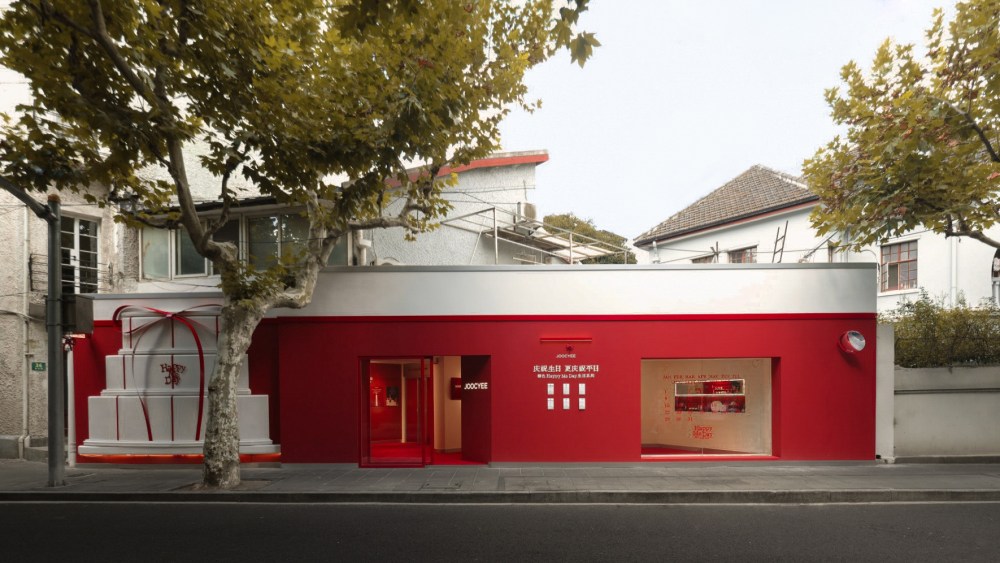
Despite a general decline in online beauty retail, with a 2.43 percent drop over three months, many C-beauty brands, including Joocyee, have acknowledged the digital sphere’s pivotal role. Joocyee’s brand manager highlighted the efficiency and data-driven nature of online marketing, which has provided brands like theirs with rapid visibility. However, the challenge lies in standing out among numerous other brands, where the digital marketplace’s algorithm sometimes flattens individual brand identities. Established in 2019, Joocyee caters primarily to Gen Z and reports an optimistic projection of 900 million renminbi ($126.5 million) in sales by 2025, fueled by its emphasis on invigorating offline retail.
The challenge of navigating an increasingly competitive market is underscored by new strategies in store placements. Joocyee has deviated from traditional models of entering first-tier cities first, opting instead for locations based on foot traffic and target demographics. Recently, the brand opened stores in cities like Changsha and Chongqing, successfully engaging with regional customers. Such approaches not only facilitate sales but are vital in penetrating both new first-tier and lower-tier markets, leading to sustained profitability.
Further illustrating the changing dynamics of the C-beauty industry, local brands like Fancy Cube are redefining beauty standards and targeting niche markets, like Gen Alpha students at international schools. Founded by Lulu Guo, Fancy Cube constructs its product offerings around playful, customizable makeup experiences that starkly contrast with traditional ideals of beauty based on full coverage. Guo’s philosophy promotes minimal makeup use, aiming to complement rather than mask natural beauty, while also addressing a growing desire for authenticity among consumers.
As the Chinese market continues to mature, expectations surrounding retail experiences are also evolving. The government’s recent initiative to enhance the consumer environment amplifies this trend, urging brands to provide exceptional service and high-quality products. Events like Beauty Shanghai demonstrate the excitement consumers now seek in shopping, as they gravitate towards experiences that engage and enhance their lifestyles. This blend of retail evolution with emphasis on experience reflects a significant shift in consumer behavior, inviting beauty brands to innovate continuously and adapt to rising expectations. As the beauty landscape changes, brands that successfully engage offline while providing unique experiences will undoubtedly thrive in this competitive space.


