

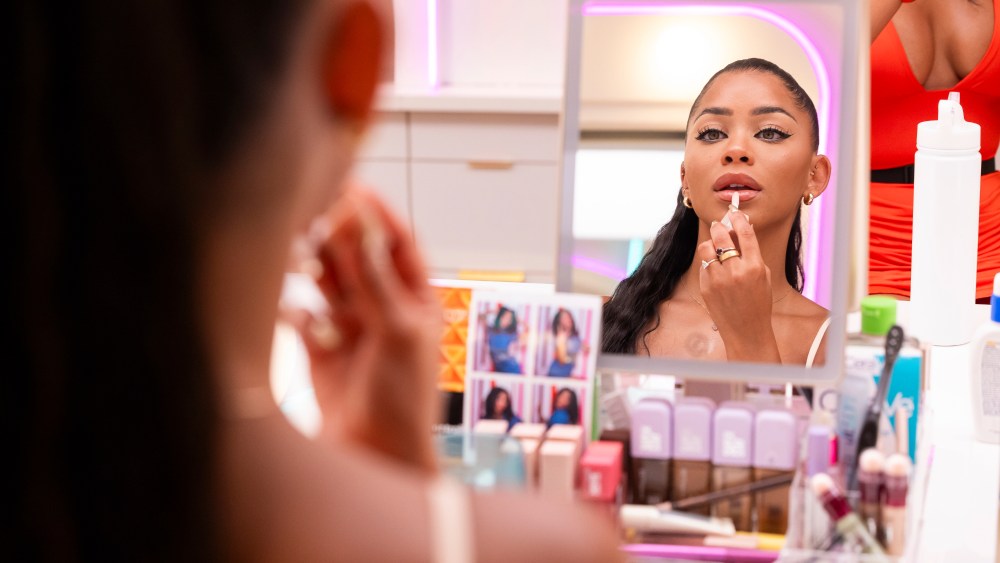
As the reality dating show “Love Island USA” winds down from its seventh season, an intriguing shift appears to be underway in the beauty industry. Following a particularly successful season that premiered on June 3 and quickly climbed the charts to become the fourth most-streamed show in the U.S. in June, brands like Kayali and Fenty Beauty are keenly eyeing collaboration opportunities with standout contestants from the series. The buzz surrounding the show not only captivated viewers but also turned many cast members into significant influencers, indicating a unique synergy developing between television and beauty marketing.
The discourse around “Love Island USA” saw a remarkable uptick on social media during its six-week run, elevating several cast members to influencer status. Huda Mustafa, for instance, saw her Instagram followers soar to 3.4 million, while Amaya Espinal, who won the show, gained an impressive 2.9 million fans. This substantial growth in their online presence reflects a cultural moment where reality television and social media are increasingly intertwined, enabling brands to tap into these ready-made audiences. With so many eyes on these contestants, beauty companies are keen to latch onto their newfound fame.
Celebrity endorsements and collaborations are nothing new in the beauty industry, but the speed at which brands are moving to engage with these reality stars is noteworthy. For example, Fenty Beauty did not miss a beat, commenting on Espinal’s celebratory Instagram post and encouraging her to check her direct messages. Additionally, other islanders like Michelle “Chelley” Bissainthe and Olandria Lashae Carthen have also captured the attention of brands, each amassing followings of 1.5 million and 1.4 million respectively. This rapid growth is prompting brands to rethink their marketing strategies, aligning themselves with personalities that resonate with younger audiences.
In a playful nod to Amaya Espinal’s charming nickname—”Amaya Papaya”—the fragrance line Kayali teased a mock-up of a new fragrance, inviting their followers to weigh in on the concept. Similarly, the prebiotic soda brand Poppi has toyed with the idea of introducing an “Amaya Papaya” flavor, demonstrating how brands are leaning heavily into the fan engagement that these reality stars have generated. Poppi has a history of collaborating with “Love Island USA” cast members, having featured 2024 contestant Rob Rausch in their Super Bowl commercial, showcasing a promising trend of cross-promotion.
The involvement of beauty brands isn’t limited to just one-off celebrity endorsements; it reflects a broader trend where reality television stars are becoming integral to brand identity. Maybelline has been the makeup sponsor for both the sixth and seventh seasons of “Love Island USA,” further embedding itself in the show’s culture. Renewed interest in the show’s stars has culminated in appointments like that of Leah Kateb, an alum of season six, who was recently announced as the chief creative officer and co-founder of clean fragrance brand Skylar. Kateb boldly declared her stance, stating that this venture is not merely an ambassador role; it’s a personal investment in her own brand.
The resonance of “Love Island USA” with beauty brands symbolizes a shift in how these industries interact. The fusion of reality TV with marketing strategies points to changing consumer behavior, where entertainment and social media influence purchasing decisions. Having gained loyal followings through their on-screen charisma, former contestants are not just faces for brands; they are becoming pivotal influencers shaping the future of beauty marketing. This convergence of reality TV fame and consumer engagement illustrates a new era in beauty, characterized by authenticity and direct connection to audiences. The future looks vibrant for both the show and the brands that recognize these reality stars as more than just fleeting trends.