








The Evolving Landscape of Beauty Investments
The beauty industry has experienced a significant shift this past year, particularly in mergers and acquisitions (M&A), as leaders in the sector anticipate continued evolution and excitement ahead. Alicia Sontag, cofounder and managing partner of Prelude Growth Partners, highlighted the dynamic nature of the beauty category, noting that both retailers and strategic players like Kering and L’Oréal are undergoing transformative changes. Brands that are robust and adaptable will emerge as the true winners in this competitive landscape.
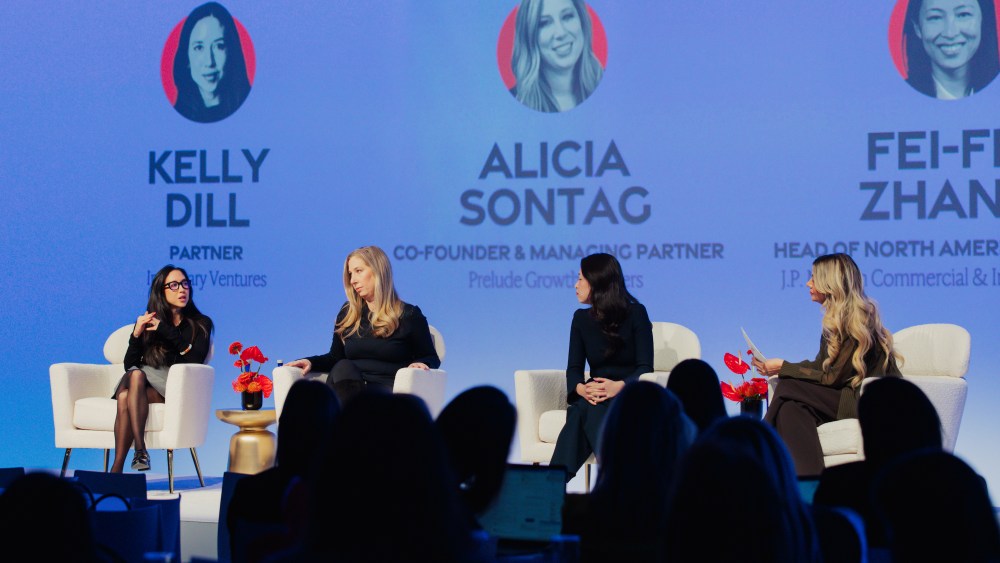
At a recent discussion led by Kathryn Hopkins of WWD, Sontag shared the stage with industry experts Kelly Dill of Imaginary Ventures and Fei-Fei Zhang from J.P. Morgan. Dill emphasized the pivotal role of consumer engagement in today’s market. In an age saturated with information, brands must consistently communicate their value and efficacy to capture attention. This resurgence of interest in product effectiveness illustrates that trends often cycle back, reaffirming the importance of authenticity and quality in the beauty sector.
Zhang reaffirmed the significant interest from various platforms aiming to integrate beauty into their portfolios. The traditional consumer journey—from skincare to makeup—has expanded, with more individuals incorporating supplements and treatments into their routines. This evolution reflects a growing trend toward “ingestible beauty,” where dermatologists increasingly recommend supplements as legitimate components of skincare regimens, showcasing how integrative approaches to beauty are on the rise.
Despite executive changes at major companies, Zhang pointed out that the drive for growth and scaling remains unabated. Publicly traded businesses continue to seek exceptional growth amid market uncertainties and challenges. The emphasis on maintaining investor confidence has intensified, making the operational performance of beauty brands more critical than ever. Companies that can sustain strong growth metrics can reap significant rewards, even in turbulent times.
Sontag remarked on the complexities faced by industry players, stating that while the beauty category continues to change rapidly, those with experience can navigate it more successfully. Conversely, newcomers may find themselves at a disadvantage if they lack the insights necessary to understand these shifts. This insight is particularly important as emerging brands look to chart their courses in a market that often feels unpredictable.
Looking towards the future, Dill expressed excitement for the potential of new ventures, emphasizing the importance of authenticity and innovation in building successful beauty brands. Early-stage investments offer opportunities to nurture unique ideas and personalities, a sentiment echoed by Zhang who noted that while change can be daunting, leveraging data and emerging technologies like AI could provide a competitive edge. As the pace of change accelerates, beauty brands that adapt and embrace these advancements will likely secure their places in the ever-evolving landscape.


