

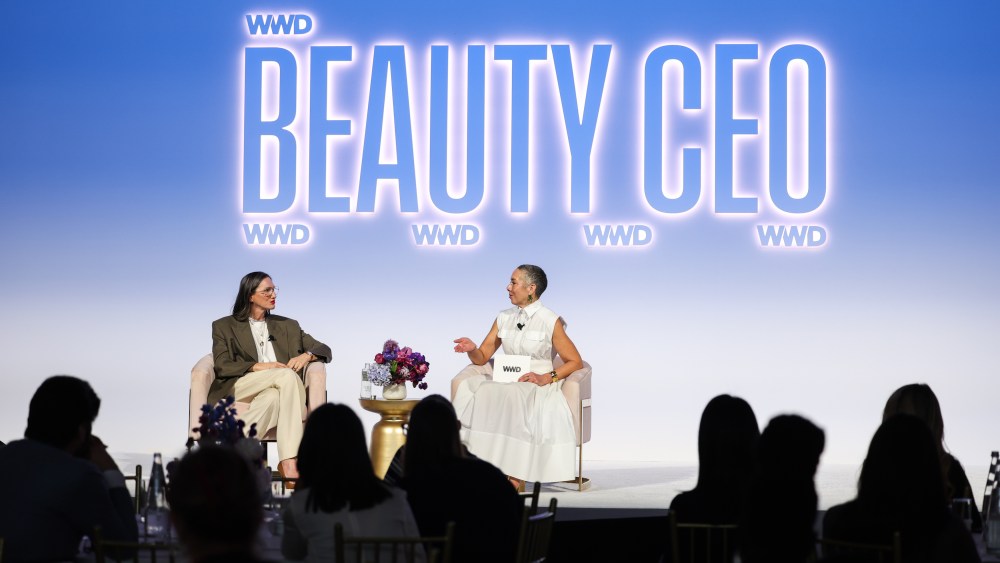
The 2025 Beauty CEO Summit held in New York City convened industry leaders to discuss the rapidly evolving beauty landscape. Held at the elegant Casa Cipriani South, Day Two featured insights from prominent figures like David Greenberg of L’Oréal USA and Priya Nair from Unilever. They examined various critical topics—artificial intelligence, tariffs, and the evolving spending habits of teenagers—that are shaping the beauty industry’s future. The discussions reflected the challenges and opportunities that accompany such rapid transformation.
One major theme emerged from the summit: the necessity of embracing failure as a pathway to innovation. James Dyson, the founder of Dyson, challenged the traditional education model which emphasizes getting the correct answer on the first try. He urged a shift in perspective that values experimental journeys—furthering the idea that the best solutions often come from learning through trial and error. This outlook can be particularly beneficial in the fast-paced world of beauty, where creative risks can lead to groundbreaking products and strategies.
The role of artificial intelligence (AI) was another focal point, with leaders like Greenberg highlighting its potential to revolutionize the sector. AI can streamline operations and uncover new avenues for growth, emphasizing not just efficiency but also speed and scope in decision-making. Tsedal Neeley from Harvard Business School reinforced this notion, advocating that AI can help brands reach millions of customers quickly, thereby transforming the way businesses connect with the market. This capability to predict trends and personalize offerings can reshape the customer experience dramatically.
The intersection of beauty, well-being, and longevity also took center stage. Priya Nair pointed out that modern consumers view health as a holistic concept, blurring the lines between traditional categories of beauty, wellness, and nutrition. As people shift towards a more integrated approach to health and beauty, brands must adapt their messaging and offerings to resonate with this evolving mindset. This greater focus on well-being amplifies the need for both innovation and customer education to enhance overall life quality.
Amid economic uncertainties, speakers like Emily Essner and David Chung underscored the importance of controlling what can be controlled. Rising tariffs and fluctuating consumer confidence necessitate strategic decision-making. Businesses need to prioritize offering value that extends beyond pricing, such as enhanced educational content that fosters customer loyalty and trust. Moreover, addressing price adjustments thoughtfully rather than implementing blanket price increases can help manage both operational costs and consumer sentiment.
Lastly, the dynamics of teen beauty spending are more nuanced than previously understood. Data indicates that teenage boys are upping their game in prestige fragrance purchases while teenage girls dominate the skin care market. This growing market indicates a thriving youth interest in beauty products, with overall teen spending expanding significantly. Such insights prompt brands to tailor their offerings and marketing to capture these distinct audiences effectively. As Stormi Steel from Canvas Beauty noted, today’s consumers are not just purchasing products; they are buying into brands and the identities they embody. Thus, companies must represent authenticity and diversity in their brand narratives to foster stronger connections with their audiences.
In conclusion, the 2025 Beauty CEO Summit highlighted a transformative moment in the beauty industry, emphasizing innovation, adaptability, and the vital role of understanding emerging consumer behaviors. As the lines between various sectors blur, industry leaders must proactively navigate these challenges, harnessing technology and embracing the nuances of their audience to stay ahead in a competitive marketplace.