








The beauty mergers and acquisitions (M&A) landscape is showing a promising resurgence as anticipated for 2026, transitioning into a vibrant new year as strategic companies evaluate their portfolios and private equity firms lean into unexplored opportunities. Early analyses predict a significant uptick in acquisition activities, particularly among publicly traded companies that have eliminated non-core brands from their operations. This trend suggests that the beauty sector might emerge on a stronger footing, with firms looking to bolster their positions through strategic acquisitions. According to Capstone Partners, this focus on portfolio optimization is setting the stage for a more robust beauty M&A environment heading into the upcoming year.
Laurent Droin, a partner at Felix Capital, echoes this sentiment, anticipating a solid influx of finalized deals after a year marked by consumer confidence fluctuations. Many smaller companies that had previously paused growth due to market uncertainties are likely to re-enter the market in 2026, ready to capitalize on renewed consumer interest. Droin expects this upcoming year to facilitate a kind of “catch-up” effect, allowing value-driven brands that had been sidelined to reclaim their spots in a recovering marketplace. This optimism about the beauty sector’s direction aligns with broader market trends, which are likely to reflect consumer preferences more effectively as companies adapt.
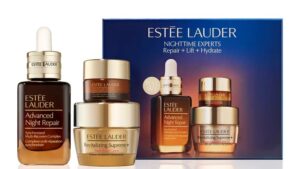
Among the major players expected to be active in M&A is Estée Lauder, which is reevaluating its brand portfolio under the leadership of CEO Stéphane de La Faverie. Reports suggest that the company may consider divesting several California-based brands, including notable names like Smashbox and Too Faced. Additionally, there are ongoing discussions about potentially selling Dr. Jart, a Korean skincare brand in its portfolio since 2019. Observers believe that de La Faverie may aim to redefine Estée Lauder’s brand identity through targeted acquisitions, making 2026 a crucial year for showcasing strategic shifts.
Coty Inc. is also in the spotlight with a new CEO, Markus Strobel, who is conducting a thorough evaluation of the company’s mass color cosmetics sector and operations in Brazil. With an eye on brands like CoverGirl and Rimmel, this strategic review includes exploring options ranging from partnerships to divestitures. Additionally, LVMH is reportedly considering selling its stake in Fenty Beauty, reflecting further shifts within beauty brands launched under its incubator, Kendo Brands. Speculation continues regarding Kimberly-Clark’s decision on whether to retain all assets under Kenvue Inc.’s Health and Beauty unit, particularly with ongoing assessments of underperforming brands.
As companies like Unilever focus heavily on their beauty and personal care divisions, ambitions for market share are rising. CEO Fernando Fernandez has voiced a strategy to enhance profitability in this segment, which is expected to contribute two-thirds of company sales in the near future. L’Oréal, after an eventful year filled with acquisitions, is also expected to persist in expanding its portfolio. CEO Nicolas Hieronimus emphasized the company’s commitment to leveraging beauty technology and dermatology advancements as part of their growth strategy.
Looking ahead, the industry is buzzing with excitement for sectors like masstige and hair care. Analysts predict heightened activity in these markets as brands delivering effective products and strong value propositions are favored. The search for fragrance brands is intensifying, too, as consumer demand in this sector continues to flourish. Additionally, there are strong signals that several noteworthy brands, such as Pat McGrath Labs, along with newer players like Bubble Skincare and Salt & Stone, are exploring their strategic options in anticipation of market opportunities evolving in the new year.
With the appetite for M&A among both public companies and private equity firms remaining robust, 2026 is poised to be a dynamic year for the beauty market. As companies navigate trade volatility and shifting market conditions, a wealth of potential deals is likely to emerge, creating a fresh landscape for growth and innovation within the beauty industry. In summary, the beauty M&A scene is gearing up for an exciting year ahead, brimming with possibilities for revitalization and strategic realignment as brands adapt to ever-changing consumer expectations.


