








The Rapid Evolution of Beauty: Insights from Barbara Lavernos
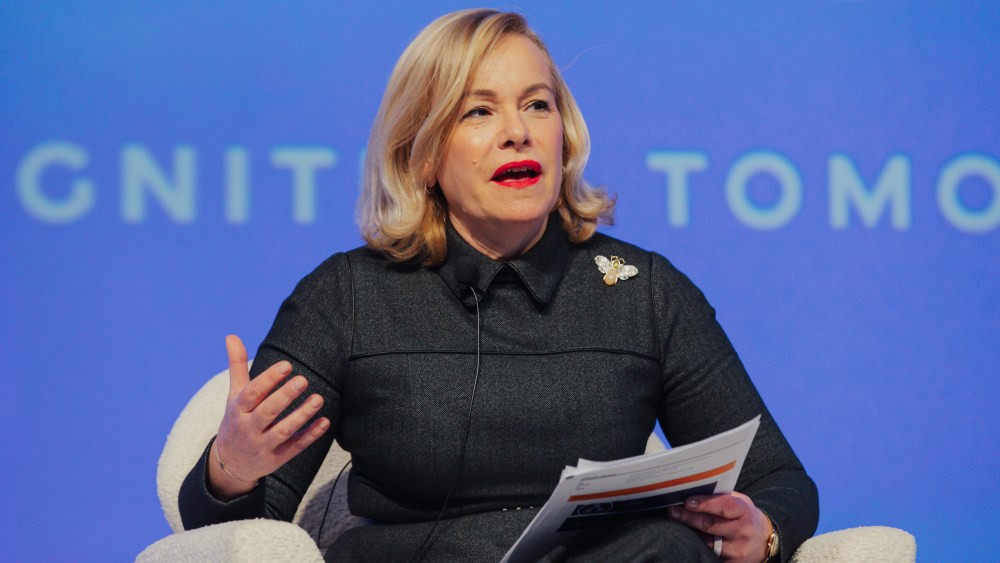
Barbara Lavernos, L’Oréal’s deputy CEO, has witnessed an astounding transformation in the beauty industry during her 34 years at the company. She described the current landscape as one of rapid and unprecedented change, particularly in how consumers engage with beauty products. At a recent conference, Lavernos emphasized that today’s consumers are more informed than ever; they know about ingredients, benefits, and what they want from their beauty routines. This level of knowledge has shifted the power dynamics, making it essential for companies like L’Oréal to adapt and evolve continuously.
One of the most notable shifts Lavernos pointed out is the breakdown of traditional beauty archetypes. In the past, there were rigid standards of beauty, often spotlighting a narrow demographic. Today, however, there is a celebration of individuality. Lavernos celebrated this evolution, stating that beauty is no longer a one-size-fits-all concept. Instead, manufacturers need to navigate a diverse range of consumer preferences, embracing differences rather than conforming to a singular ideal. This change reflects broader societal shifts, where personal expression is valued over meeting a generic mold.
Significant biological and demographic changes also influence the beauty sector. Lavernos highlighted that by 2040, a substantial portion of the global population will have melanin-rich skin, and the aging population is expected to swell as two billion people are projected to be over 60 by 2045. These demographic realities are compelling the industry to rethink products and marketing strategies, urging companies to cater to a more diverse customer base than ever before. With this backdrop, Lavernos pointed out that our understanding of consumers must evolve, accounting for these demographic shifts and the innate beauty present in all individuals.
Another radical shift in the beauty industry involves the acceleration of market entry. Lavernos recalled a time when consumers had to visit physical storefronts to access beauty products. Now, e-commerce and quick commerce are redefining the shopping experience. For instance, some regions now offer product delivery within just 15 minutes, leading to a more dynamic and immediate consumer experience. This rapid pace of change is unlike anything she has seen before, shifting traditional business models and requiring companies to innovate continuously in response to evolving consumer expectations.
Amid these transformations, Lavernos has developed a strategic framework called the Four Ps: what is possible, plausible, probable, and preferable. She underscored that companies must remain agile and responsive to ongoing shifts in technology, society, and consumer preferences. She also introduced a fifth P—personalization—as an integral aspect of this evolution. Personalized products allow consumers to reject archetypal beauty standards, allowing them to embrace who they are, regardless of gender, ethnicity, or age. Lavernos emphasized that today’s consumers want products tailored specifically to their needs, leveraging advancements in science and technology to support this desire.
As the lines between beauty and medicine blur, Lavernos highlighted the transformative power of scientific advancements in personalized skincare. Unlike the past, where obtaining vital biological information required extensive and time-consuming procedures, today’s technology allows for rapid analysis of individual skin conditions. This innovation not only enhances consumer experience but also empowers them to make informed choices about their skincare. Lavernos is optimistic that as the industry integrates these scientific insights, it can address broader health concerns. For L’Oréal, maintaining core values amid this relentless pace of change is essential, illustrating that while the landscape is transforming, a commitment to foundational principles remains crucial for sustainable success in the beauty industry.


